.webp)


.webp)
Find Out If You Qualify for Dental Implants
All posts
Oral /Gum Care
The Role of Vitamin D in Faster Gum Healing and Recovery
.jpeg)
Published on:
March 10, 2026
Introduction
When patients think about gum healing, they often picture stitches, rinses, or follow-up appointments. What many do not realize is that healing begins long before the dental chair and continues long after they leave it. It happens at the cellular level. It is influenced by what you eat, how your body functions, and even how much sunlight you receive.
At Grand Mission Dentistry, Dr. Sung often reminds patients that strong healing is a partnership between dental care and overall health. One nutrient that continues to gain attention for its role in recovery is vitamin D. From supporting immune function to improving bone density, this nutrient plays a quiet yet powerful role in oral health.
This blog explores the vitamin D and gum health connection, how it supports recovery after procedures, and how patients can use simple lifestyle adjustments to strengthen their healing process.
Why Gum Healing Deserves More Attention
Gums are not just soft tissue framing your teeth. They are a protective barrier. They anchor teeth in place and shield the underlying bone from bacteria. After procedures such as deep cleanings, extractions, implant placement, or periodontal therapy, the gums must rebuild and reattach. This process requires strong blood flow, immune response, and tissue regeneration.
If healing is slow, patients may experience prolonged swelling, discomfort, or increased risk of infection. This is where nutrients for faster gum healing become essential.
Vitamin D stands out because it does not work alone. It supports calcium absorption, strengthens bone, regulates inflammation, and boosts immune defenses. When these systems function properly, gum tissue repairs itself more efficiently.
The Science Behind Vitamin D and Gum Repair
Vitamin D is often called the sunshine vitamin because your body produces it when exposed to sunlight. However, its role extends far beyond mood or energy levels. In dental health, vitamin D supports:
- Regulation of inflammatory responses
- Activation of antimicrobial proteins
- Calcium absorption for jawbone strength
- Tissue regeneration at surgical or treatment sites
Inflammation is part of healing, but excessive inflammation can delay recovery. Vitamin D helps balance this response. It encourages the body to repair tissue without triggering prolonged swelling.
Research has shown that individuals with adequate vitamin D levels tend to experience healthier gum tissue and lower rates of gum inflammation. This reinforces the vitamin D and gum health connection that dental professionals continue to observe in clinical practice.
How Vitamin D Supports Healing After Dental Treatment
Healing after dental treatment is a layered process. Blood clot formation. Tissue rebuilding. Bone integration. Immune protection. Vitamin D influences each of these steps.
Here is how vitamin D supports healing after dental treatment:
- Supports Bone Stability
Procedures involving bone, such as implants or periodontal therapy, rely on strong bone structure. Vitamin D helps your body absorb calcium, strengthening the jawbone that supports your teeth. - Enhances Immune Defense
The mouth contains countless bacteria. After treatment, the body must prevent infection while rebuilding tissue. Vitamin D activates antimicrobial peptides that reduce harmful bacterial activity. - Regulates Inflammation
Too much inflammation can delay recovery. Balanced vitamin D levels help reduce excessive inflammatory responses. - Encourages Tissue Regeneration
Healthy levels assist in faster rebuilding of gum tissue around treated areas.
At Grand Mission Dentistry, Dr. William Sung healthy gum recovery tips often include nutritional awareness alongside proper oral hygiene. Healing is not only mechanical. It is biological.
Signs You May Be Low in Vitamin D
Vitamin D deficiency is more common than many people realize. Signs may include:
- Frequent infections
- Delayed wound healing
- Fatigue
- Bone discomfort
- Gum inflammation
Because the body stores vitamin D differently, deficiency may not always show obvious symptoms. Blood testing is the most reliable way to measure levels.
Patients preparing for major dental treatment may benefit from discussing vitamin D levels with their physician. Addressing the deficiency before treatment can improve recovery outcomes.
Natural Ways to Improve Gum Health Through Vitamin D
Supporting your recovery does not require complicated routines. In fact, some of the most natural ways to improve gum health are simple daily habits.
Sunlight Exposure
Spending 10 to 30 minutes in sunlight several times per week can help stimulate vitamin D production. The exact amount depends on skin tone and geographic location.
Vitamin D Rich Foods
Add foods such as:
- Fatty fish like salmon or mackerel
- Egg yolks
- Fortified dairy products
- Mushrooms exposed to sunlight
These dietary sources contribute to stable vitamin D levels.
Supplementation
In some cases, dietary intake and sunlight may not be enough. Supplements can be recommended by a healthcare provider after blood testing confirms a deficiency.
Balanced Nutrition
While vitamin D is vital, it works alongside other nutrients for faster gum healing. These include:
- Vitamin C for collagen production
- Zinc for immune response
- Calcium for bone strength
- Protein for tissue rebuilding
Healing improves when these nutrients function together.
Vitamin D and Periodontal Health
Chronic gum disease involves inflammation, bone loss, and tissue breakdown. Vitamin D plays a role in reducing inflammatory markers associated with gum disease. Studies suggest that individuals with higher vitamin D levels often show improved periodontal health.
The vitamin D and gum health connection is especially important for patients undergoing scaling and root planing or other gum treatments. Stronger immune regulation means reduced bacterial impact and more stable gum tissue.
Recovery After Dental Implants and Surgery
Dental implants rely on osseointegration, the process by which bone fuses to the implant surface. Vitamin D contributes directly to this integration. Adequate levels help ensure bone density and structural stability.
Patients who maintain balanced vitamin D levels may experience:
- Improved bone response
- Reduced healing time
- Lower risk of complications
- Better long-term implant stability
Dr. William Sung’s healthy gum recovery tips emphasize preparing the body for healing before surgery. That preparation includes understanding nutritional status.
Gum Healing and Clear Aligner Patients
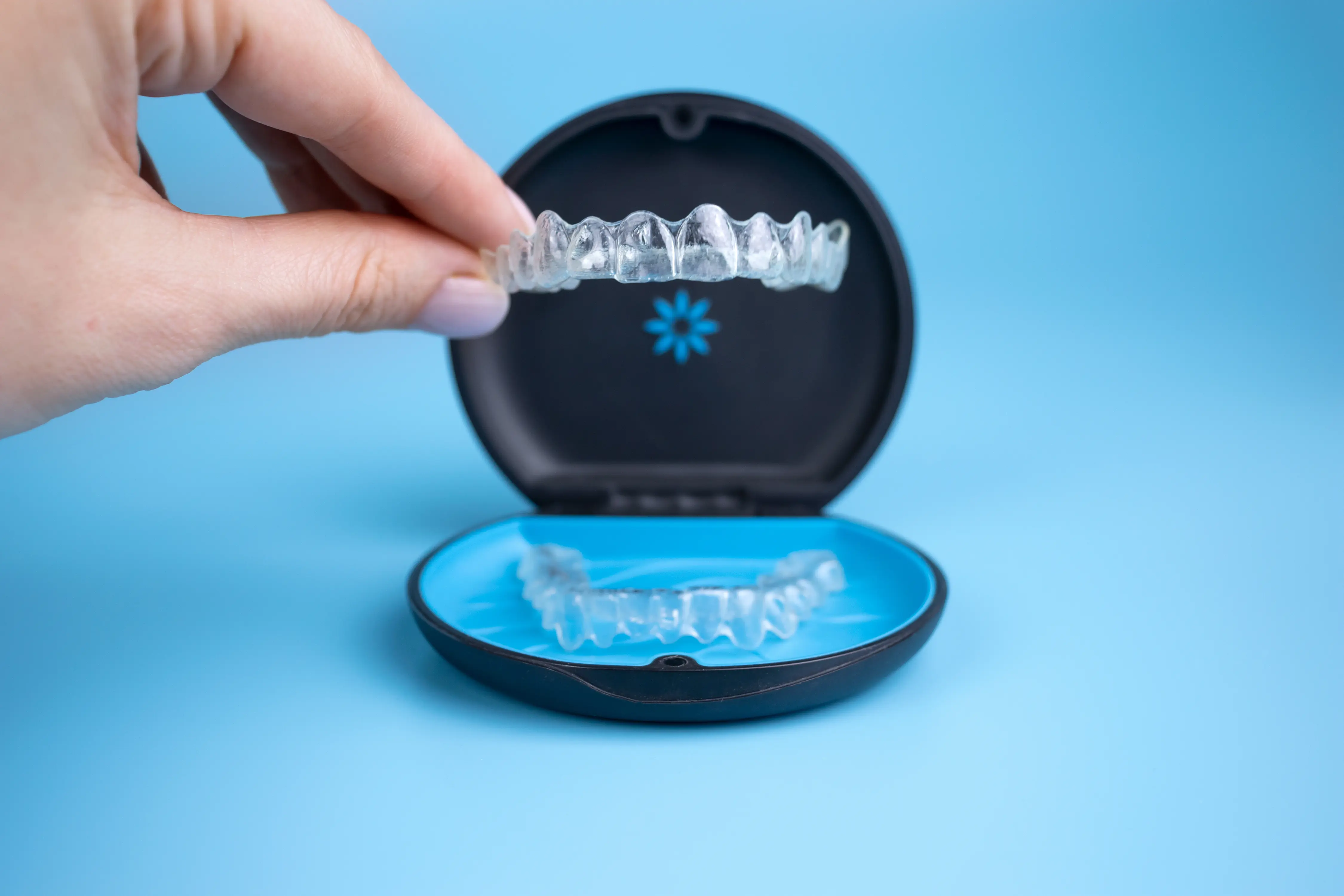
Patients undergoing clear aligner therapy are instructed to wear aligners all the time, except for oral hygiene. Healthy gum tissue supports smooth tooth movement and comfort throughout treatment.
Inflamed or unhealthy gums can slow progress. Supporting gum health through proper nutrition, including vitamin D, contributes to stable treatment progress and comfort.
Good oral hygiene remains essential, but systemic health strengthens those efforts from within.
Lifestyle Habits That Slow Gum Healing
Just as certain habits improve healing, others slow it down. These include:
- Smoking
- Poor diet
- Chronic stress
- Uncontrolled diabetes
- Inconsistent oral hygiene
Vitamin D cannot override harmful habits. It supports healing best when combined with healthy routines.
Patients who combine natural ways to improve gum health with professional dental care often see a more predictable recovery.
Creating a Healing-Friendly Routine
Recovery does not end when you leave the dental office. A healing-friendly routine includes:
- Wearing prescribed appliances as directed
- Maintaining gentle brushing and flossing
- Staying hydrated
- Eating nutrient-dense meals
- Getting safe sunlight exposure
- Attending follow-up visits
These steps create an internal environment that supports nutrients for faster gum healing.
The Bigger Picture: Whole Body Health and Oral Health
The mouth reflects the body. Inflammation in the gums can be influenced by systemic health conditions. Vitamin D supports immune regulation throughout the body, not just in the mouth.
Patients who maintain optimal vitamin D levels often experience benefits beyond gum recovery, including improved bone density and immune strength.
At Grand Mission Dentistry, patient education focuses on long term wellness, not just single appointments. Healing is strongest when body systems work together.
Key Takeaways:
- The vitamin D and gum health connection plays an important role in recovery after dental procedures.
- Adequate vitamin D levels support bone strength, immune response, and tissue repair.
- Understanding how vitamin D supports healing after dental treatment can improve recovery outcomes.
- Combining Dr. William Sung’s healthy gum recovery tips with proper nutrition strengthens long-term results.
- Sunlight, diet, and supplementation are natural ways to improve gum health.
- A balanced intake of nutrients for faster gum healing enhances tissue regeneration and reduces inflammation.
FAQs: What Patients Commonly Ask
1. How does vitamin D affect gum healing after dental procedures?
Vitamin D helps regulate inflammation, supports immune defense, and strengthens bone structure. These factors improve the body’s ability to repair gum tissue efficiently.
2. Can low vitamin D levels slow recovery after dental surgery?
Yes. Deficiency may contribute to delayed healing, increased inflammation, and reduced bone strength, which can affect recovery time.
3. How can I increase vitamin D naturally for better gum health?
Safe sunlight exposure, vitamin D-rich foods, and physician-guided supplementation are effective options.
4. Does vitamin D help prevent gum disease?
Adequate vitamin D levels support immune regulation and may reduce inflammatory responses associated with gum disease.
5. Should I test my vitamin D levels before major dental treatment?If you are undergoing implant placement or advanced gum therapy, discussing vitamin D testing with your physician can be beneficial.
Conclusion
Healing is not accidental. It is biological, nutritional, and behavioral. Vitamin D plays a meaningful role in strengthening the body’s response to dental treatment. From bone stability to inflammation control, its impact extends beyond what many patients expect.
At Grand Mission Dentistry, patient care includes understanding how lifestyle and nutrition influence recovery. When combined with professional treatment and consistent oral hygiene, balanced vitamin D levels create a supportive environment for stronger gum healing and lasting oral health.
For directions, use this helpful Google Map or get step-by-step navigation through Get Directions.
Remember: Healthy gums heal faster when your body is supported from within. Small changes in nutrition and sunlight exposure can make a meaningful difference in recovery.
Disclaimer: This blog is for educational purposes only and does not replace professional medical or dental advice. Always consult your dentist or physician for personalized recommendations regarding vitamin D levels and dental treatment planning.
Latest Post
- Monday 9 am–7 pm
- Tuesday 10 am–8 pm
- Wednesday 10 am–8 pm
- Thursday 8 am–6 pm
- Friday 8 am–6 pm
- Saturday 8 am–3 pm
- Sunday – Closed