
.webp)
.webp)

Thank you! Your submission has been received!
Oops! Something went wrong while submitting the form.
June 10, 2026
Dental implants are one of the most effective ways to replace missing teeth, but many patients have the same concern before starting treatment: Will insurance help cover the cost? The answer depends on your specific plan and the type of treatment you need. In this guide, we'll explain what dental implant insurance typically covers, what expenses may not be included, and how you can maximize your benefits to make treatment more affordable.
Dental insurance can help reduce the cost of dental implants, but coverage is rarely the same from one plan to another. Most insurance providers classify implants as a major restorative treatment, which means patients are often responsible for a portion of the total cost.
Several factors determine how much your insurance may pay for implant treatment:
Deductibles
A deductible is the amount you must pay before your insurance benefits begin. Once the deductible is met, your insurance may contribute toward eligible treatment costs.
Coverage Percentage
Many dental plans cover a percentage of major procedures rather than the full cost. Depending on your policy, insurance may help pay for services such as:
Annual Maximums
Most plans have an annual maximum benefit, which is the highest amount the insurance company will pay each year. Any costs beyond that limit become the patient's responsibility.
Waiting Periods
Some insurance plans require patients to wait several months before major procedures, including dental implants, become eligible for coverage.
Pre-Treatment Estimates
Before starting treatment, it is often helpful to request a pre-treatment estimate. This allows you to understand your expected benefits, estimated out-of-pocket costs, and any coverage limitations before moving forward.
Understanding these insurance terms can make it easier to plan for treatment and avoid unexpected expenses during your dental implant journey.
Many patients are surprised to learn that dental insurance may cover certain parts of the implant process while excluding others. Coverage varies by plan, but understanding which services are commonly included can help you better estimate your out-of-pocket costs.

Many insurance plans provide coverage for the exams and imaging needed to evaluate your oral health and determine whether you're a good candidate for dental implants. This may include:
If a damaged or failing tooth must be removed before implant placement, the extraction procedure is often covered under many dental insurance plans.
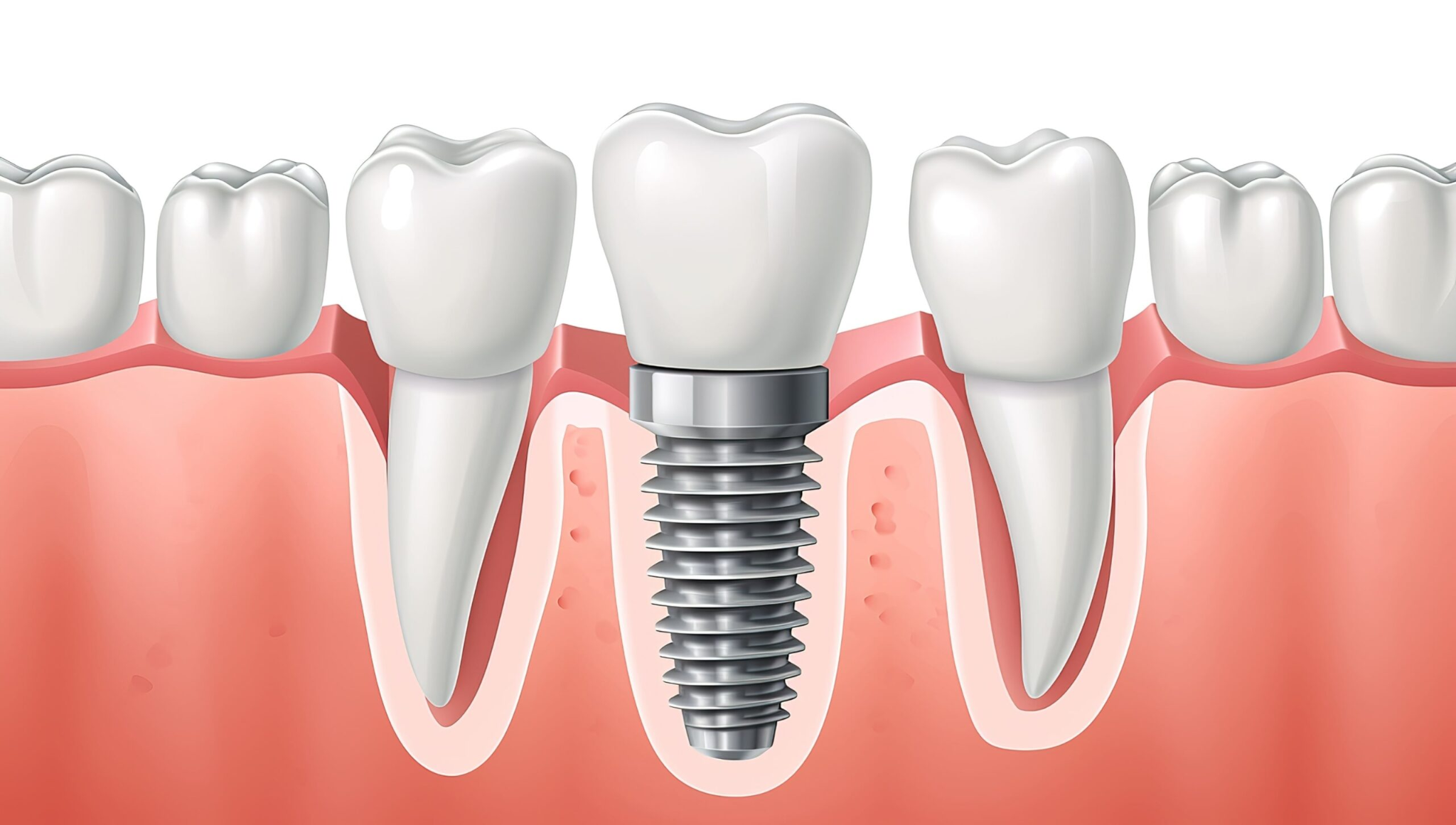
Some insurance providers offer partial coverage for the surgical placement of the implant post. However, coverage levels can vary significantly depending on your policy and annual benefit limits.
The final restoration, such as a custom dental crown attached to the implant, is one of the most commonly covered portions of implant treatment. In some cases, insurance may cover the restoration even if the implant itself is not fully covered.
Certain plans may also help cover follow-up visits, evaluations, or adjustments needed to ensure the implant heals properly and functions comfortably.
Because every insurance policy is different, reviewing your benefits before treatment is the best way to understand exactly which parts of your dental implant procedure may be covered.
While dental insurance may help offset some of the cost of implant treatment, it's important to understand that not every procedure or expense is covered. Depending on your policy, certain services may be excluded entirely or only partially covered, leaving patients responsible for the remaining balance.
Common expenses that are often not covered include:
Because coverage limitations vary from one provider to another, reviewing your benefits before treatment is the best way to avoid unexpected expenses. A dental team experienced in insurance verification can help you understand your coverage and explore financing options when needed.
The cost of a single dental implant typically ranges from $3,000 to $6,000 per tooth, depending on factors such as the implant system used, the complexity of the procedure, and whether additional treatments are needed.
It's important to note that procedures such as bone grafting, sinus lifts, or other preparatory treatments may involve additional costs and are not always covered by insurance.
Because every policy is different, reviewing your benefits before treatment is the best way to understand your expected costs. At Grand Mission Dentistry, we help patients verify their insurance coverage and explore flexible financing options to make dental implant treatment more affordable.
In most cases, dental implants are covered under dental insurance rather than medical insurance. However, there are certain situations where medical insurance may help pay for a portion of treatment.
Medical insurance may provide benefits when tooth loss is related to:
For routine tooth replacement, medical insurance typically does not cover dental implants. If you're unsure about your benefits, it's a good idea to check with both your medical and dental insurance providers before beginning treatment.
Understanding all available coverage options can help reduce out-of-pocket expenses and make implant treatment more affordable.
Getting the most from your dental insurance requires more than simply submitting a claim. With a little planning, you may be able to reduce out-of-pocket costs and make implant treatment more affordable.
Here are a few smart ways to maximize your benefits:
At Grand Mission Dentistry, our team helps patients navigate their insurance benefits and understand their financial options before treatment begins. We accept most major PPO insurance plans and also offer flexible financing solutions, including HSA/FSA payments and monthly payment options through Cherry for qualified patients. This allows many patients to move forward with dental implants without delaying the care they need.
By combining insurance benefits with available financing options, many patients find that achieving a healthier, complete smile is more manageable than they initially expected.
Conclusion
Understanding dental implant insurance can make a significant difference when planning your treatment and managing costs. While coverage varies from one policy to another, knowing what is typically covered, what limitations may apply, and how to maximize your benefits can help you make more confident decisions about your oral health.
At Grand Mission Dentistry, we're committed to making the dental implant process as straightforward and stress-free as possible. Our team can help verify your insurance benefits, explain your treatment costs, and discuss flexible financing options that fit your budget. If you're considering dental implants, schedule a consultation today and take the first step toward restoring your smile with confidence.
.jpg)
