
.webp)
Ridge Augmentation and Guided Bone Regeneration in Richmond, TX
Rebuild a Collapsed Jaw Ridge for Successful Dental Implants with Dr. William Sung DMD
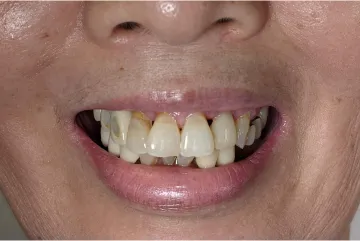
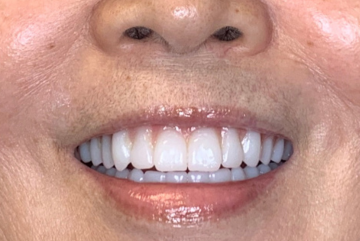

Before
After
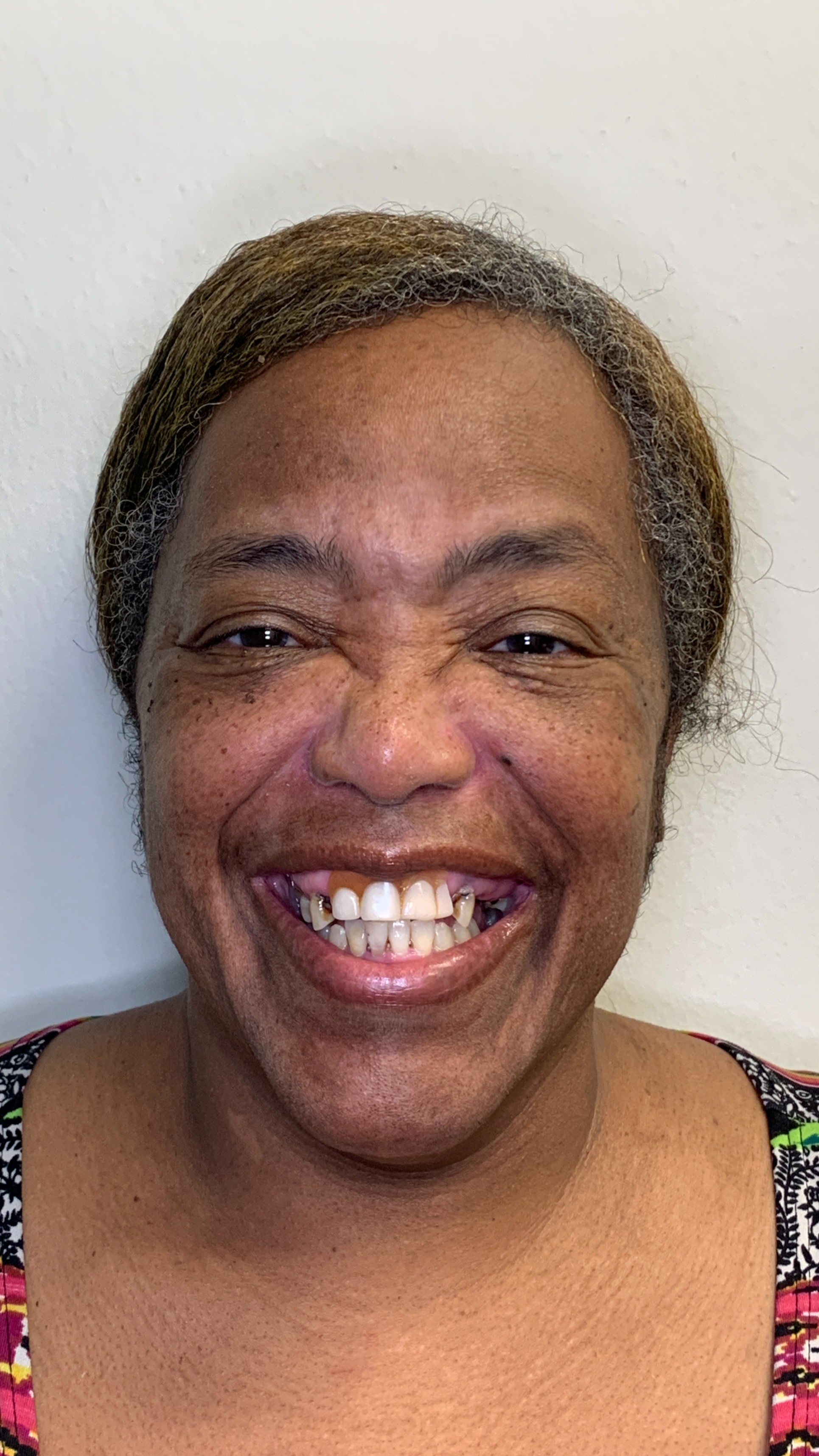
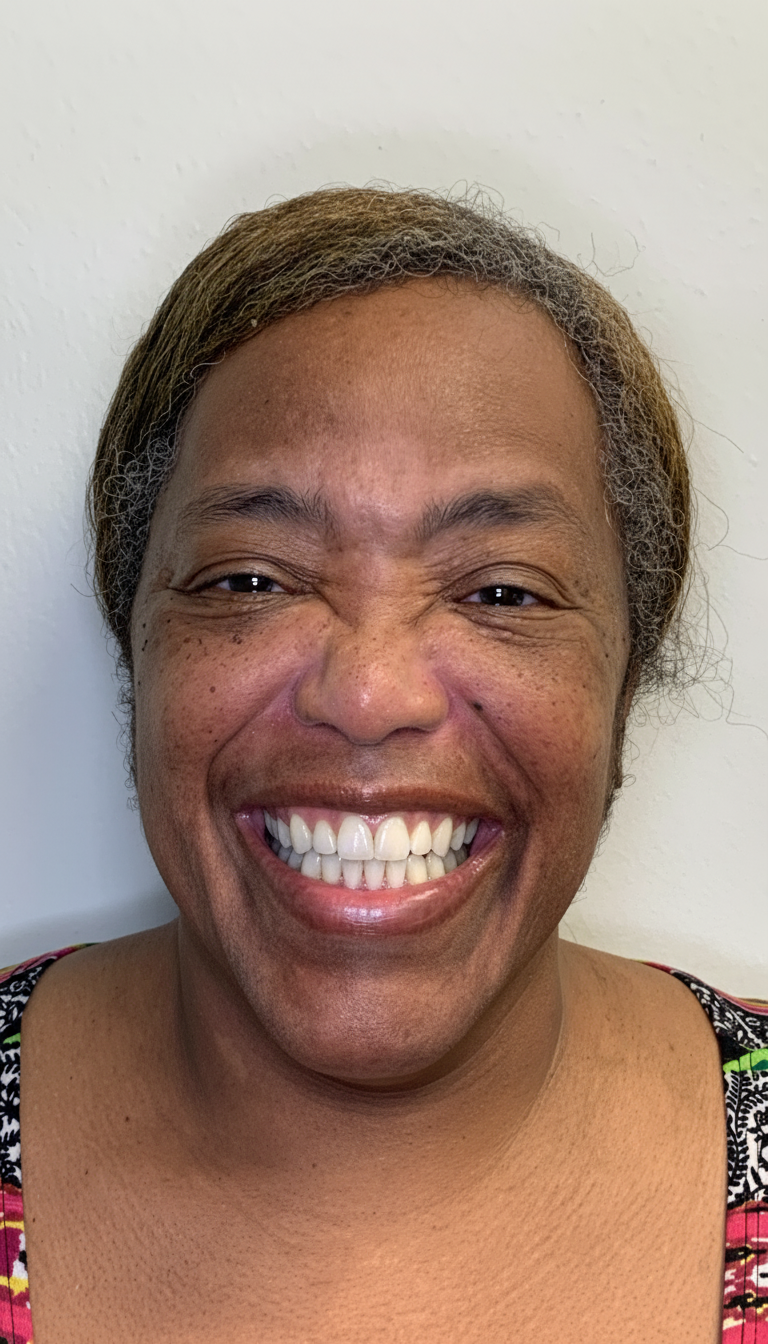
Ridge Augmentation and Guided Bone Regeneration at Grand Mission
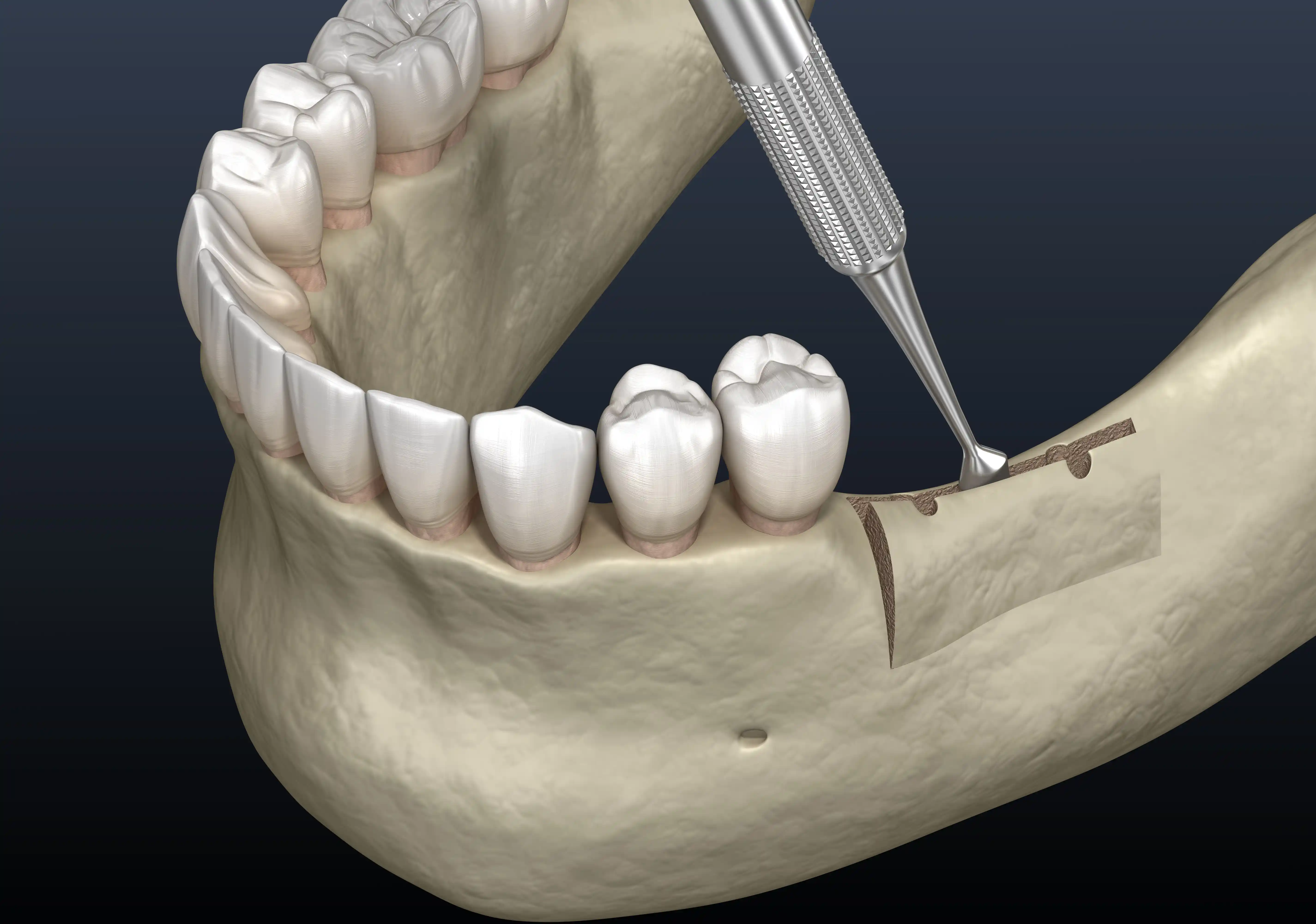
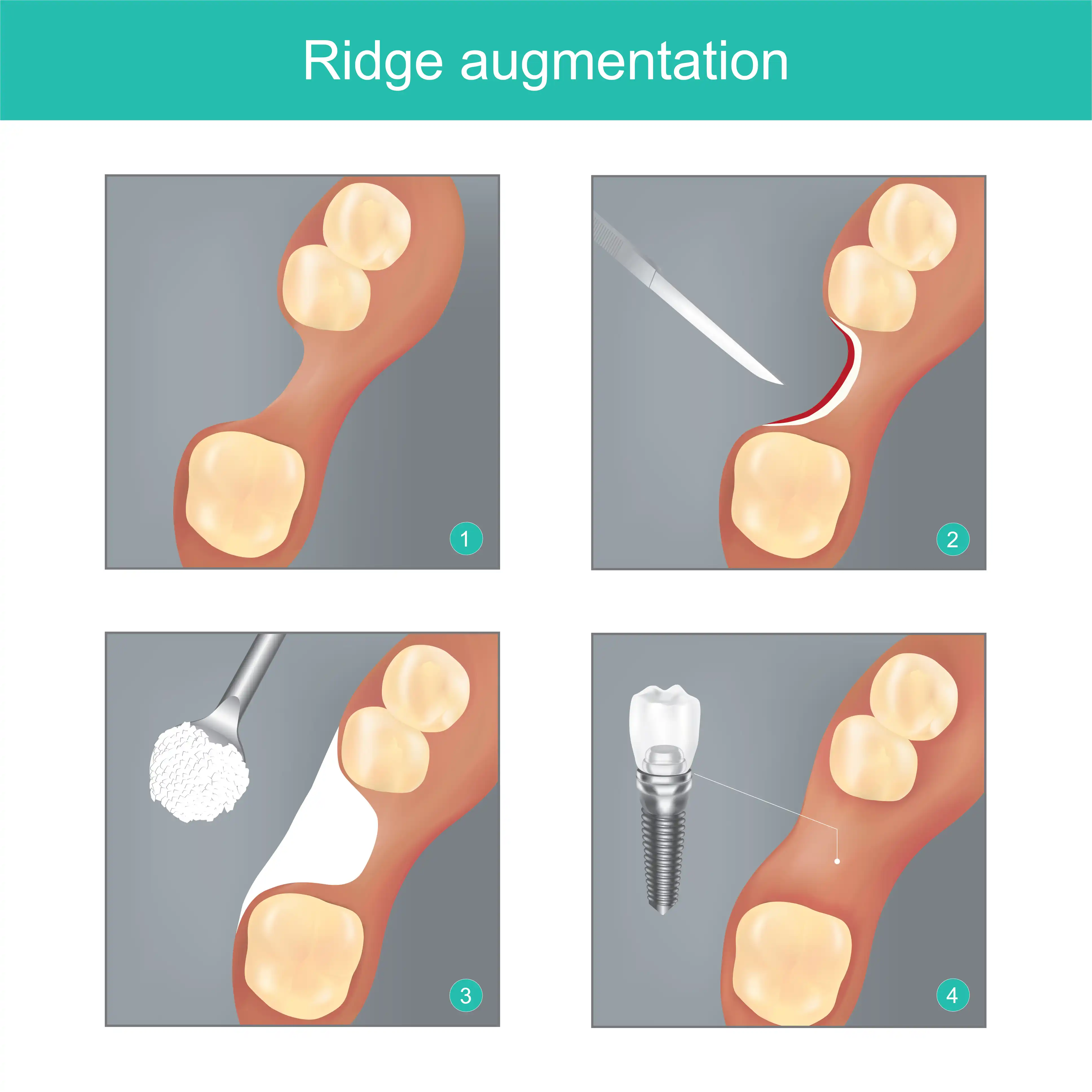
When a tooth has been missing for an extended period, the jawbone ridge beneath it collapses. The ridge narrows, loses height, and changes shape in ways that make implant placement difficult or impossible without rebuilding it first. Ridge augmentation restores the height and width of this collapsed ridge. Guided bone regeneration, or GBR, is the membrane-based technique used during ridge augmentation to contain the graft material, exclude fast-growing soft tissue, and give bone cells the protected space they need to grow into a stable, dense new ridge. Dr. William Sung performs ridge augmentation and GBR in house at Grand Mission, using 3D cone beam imaging for precision planning and PRF therapy to improve healing outcomes.
When Is Ridge Augmentation Needed?
Long-Term Tooth Absence Without Replacement
Every month a tooth goes unreplaced, the ridge beneath it continues to resorb. Patients who have worn dentures for years, or who have had a gap for a long time without an implant, often present with significant ridge collapse that requires augmentation before implant placement is possible.
Socket Preservation Was Not Performed at Extraction
When a tooth is extracted without a socket preservation graft, rapid bone collapse follows. In many cases this is enough to require ridge augmentation before an implant can be placed at that site.
Bone Loss From Gum Disease or Trauma
Advanced periodontal disease and jaw injuries destroy the bone supporting the ridge. Once the ridge has lost significant volume due to infection or trauma, augmentation is needed to rebuild it before restorative treatment can proceed.
Preparation for All-on-X or Full Arch Restoration
Full arch implant cases sometimes require localized ridge augmentation at specific implant sites before placement. Dr. Sung identifies these areas with 3D imaging and plans any necessary augmentation as part of the overall treatment sequence.
What Leaving Ridge Collapse Untreated Is Actually Costing You
Ridge collapse does not stabilize on its own. It continues over time, and each millimeter lost makes augmentation more complex.
Health Risk Sources

- Mendoza-Azpur G, de la Fuente A, Chavez E, Valdivia E, Khouly I. "Horizontal ridge augmentation with guided bone regeneration using particulate xenogenic bone substitutes with or without autogenous block grafts: A randomized controlled trial." Clinical Implant Dentistry and Related Research vol. 21,4 (2019): 521-530. doi:10.1111/cid.12740. https://pubmed.ncbi.nlm.nih.gov/30884111/
- Clementini M, Morlupi A, Canullo L, Agrestini C, Barlattani A. "Success rate of dental implants inserted in horizontal and vertical guided bone regenerated areas: a systematic review." International Journal of Oral and Maxillofacial Surgery vol. 41,7 (2012): 847-852. doi:10.1016/j.ijom.2012.03.016. https://www.ncbi.nlm.nih.gov/books/NBK98971/
- Keddar M, Evrard L, Shall F. "Horizontal ridge augmentation through GBR combining particulate allografts, A-PRF, collagen membranes and tent-screws: A prospective study." Journal of Stomatology, Oral and Maxillofacial Surgery vol. 125,12 Suppl 2 (2024): 101872. doi:10.1016/j.jormas.2024.101872. https://pubmed.ncbi.nlm.nih.gov/38582352/
- Alqutaibi AY, et al. "Regenerative approaches in alveolar bone augmentation for dental implant placement: A comprehensive review." ScienceDirect (2025). doi:10.1016/j.jdent.2025.100570. https://www.sciencedirect.com/science/article/pii/S0300571225000570
Are You a Candidate for Ridge Augmentation?
✅ You May Need Ridge Augmentation If You:
Have been told there is not enough bone for implants at a specific site
Have had a tooth missing for more than a year without replacement
Had a tooth extracted without socket preservation
Have bone loss from gum disease or jaw trauma at an implant site
⚠️ You May Need Additional Preparation First If You:
Have active uncontrolled gum disease or infection at the augmentation site
Smoke heavily, which significantly increases graft failure and membrane exposure risk
Have systemic conditions including uncontrolled diabetes that affect bone healing
Are taking bisphosphonates or other medications that affect bone metabolism
The Ridge Augmentation and GBR Process at Grand Mission
3D Imaging and Treatment Planning
Cone beam CT scanning gives Dr. Sung a precise three-dimensional map of the existing ridge, identifying exactly how much bone needs to be rebuilt, in which dimensions, and what technique will achieve the best result for your specific anatomy.
Graft Placement Under Local Anesthesia or Sedation
Bone graft material is placed at the deficient ridge site. PRF is incorporated where appropriate. The graft provides the scaffold for new bone formation.
GBR Membrane Placement
A barrier membrane, either resorbable or non-resorbable depending on the case, is placed over the graft to exclude soft tissue cells from entering the site. This gives bone-forming cells the protected, undisturbed space they need to grow into a stable ridge.
Healing and Bone Maturation
New bone forms within the membrane-protected site over four to nine months, depending on the extent of augmentation needed. Follow-up cone beam CT imaging confirms when the augmented ridge is ready for implant placement.
Implant Placement
Once the augmented ridge has matured to the required density and volume, implant placement proceeds on a stable, well-supported foundation built specifically for long-term success.
How Much Does Ridge Augmentation Cost in Texas?
| Procedure | Estimated Cost Range | Notes |
|---|---|---|
| Localized horizontal ridge augmentation | $1,500 to $3,500 | Single site, most common |
| Vertical ridge augmentation | $2,500 to $5,000 | More complex, greater bone gain needed |
| Full ridge reconstruction | $4,000 to $8,000+ | Extensive collapse, multiple sites |
why patients choose grand mission dentistry for Ridge Augmentation
3D Precision Planning
Cone beam CT scanning gives Dr. Sung an exact three-dimensional map of your ridge deficiency before any procedure begins. This precision determines exactly how much bone needs to be rebuilt, in which direction, and which technique achieves the most predictable result.
PRF Enhanced Regeneration
Grand Mission incorporates PRF therapy into ridge augmentation and GBR procedures to accelerate new bone formation, improve graft integration, and reduce post-operative discomfort, combining your own concentrated growth factors with proven grafting techniques.
Full In-House Care From Augmentation to Implant
Ridge augmentation, GBR, subsequent implant placement, and final restoration are all performed by Dr. Sung at Grand Mission. No oral surgery referral, no separate prosthodontist, no gaps between providers.
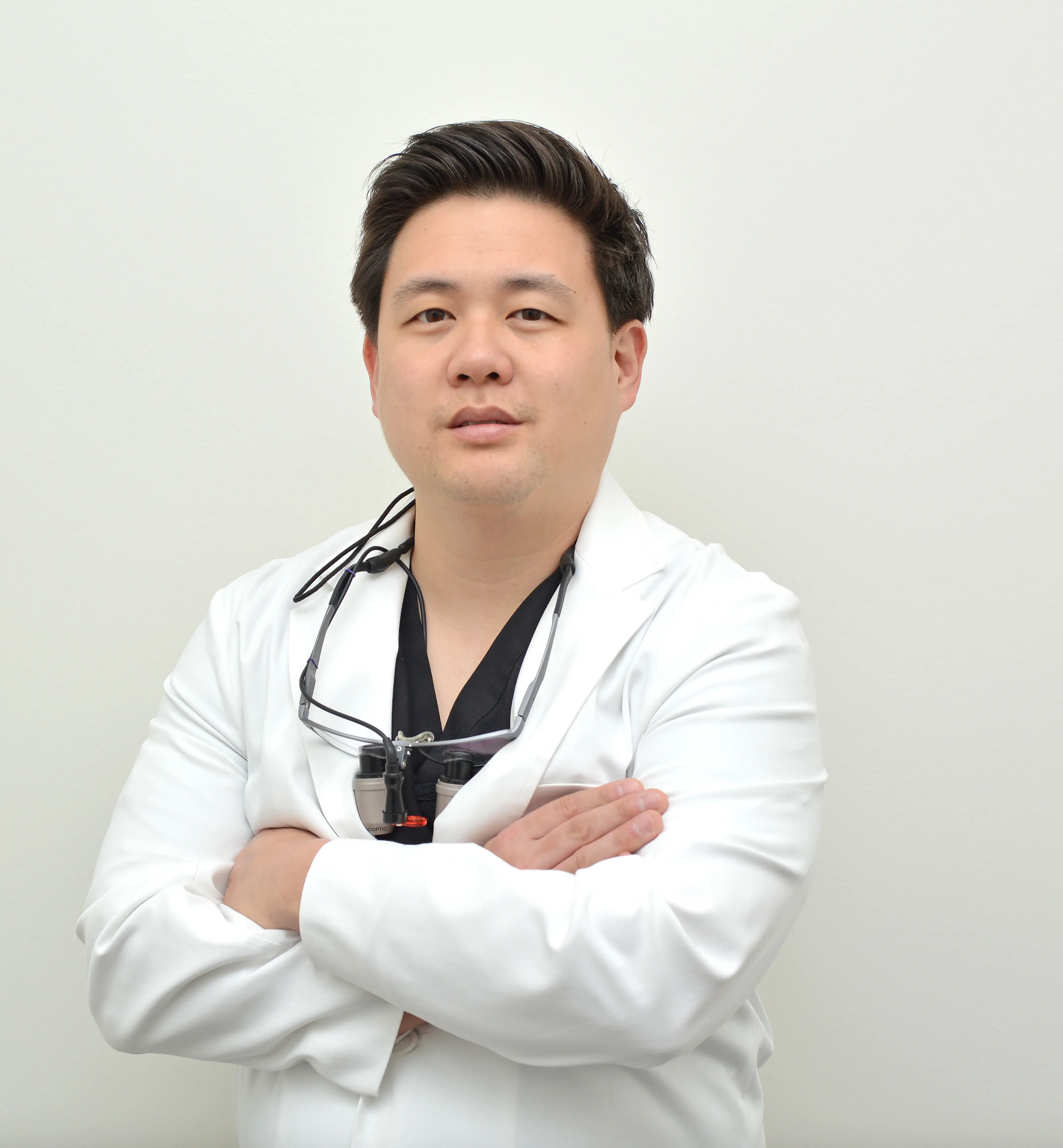
Dr. William Sung DMD
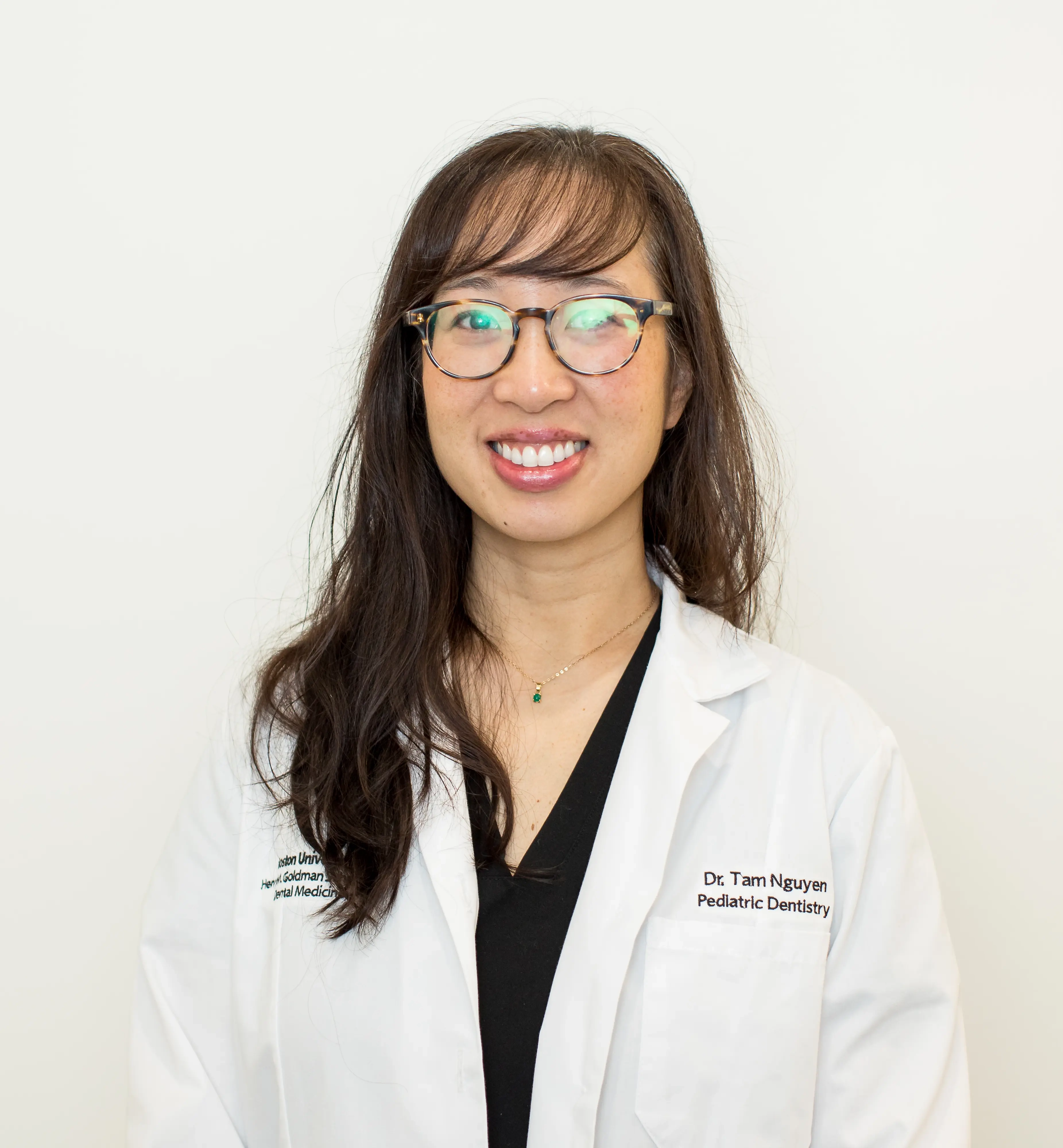
Dr. Tam Nguyen DMD
.webp)
Dr. Van Nguyen DDS
Flexible Financing for Every Budget
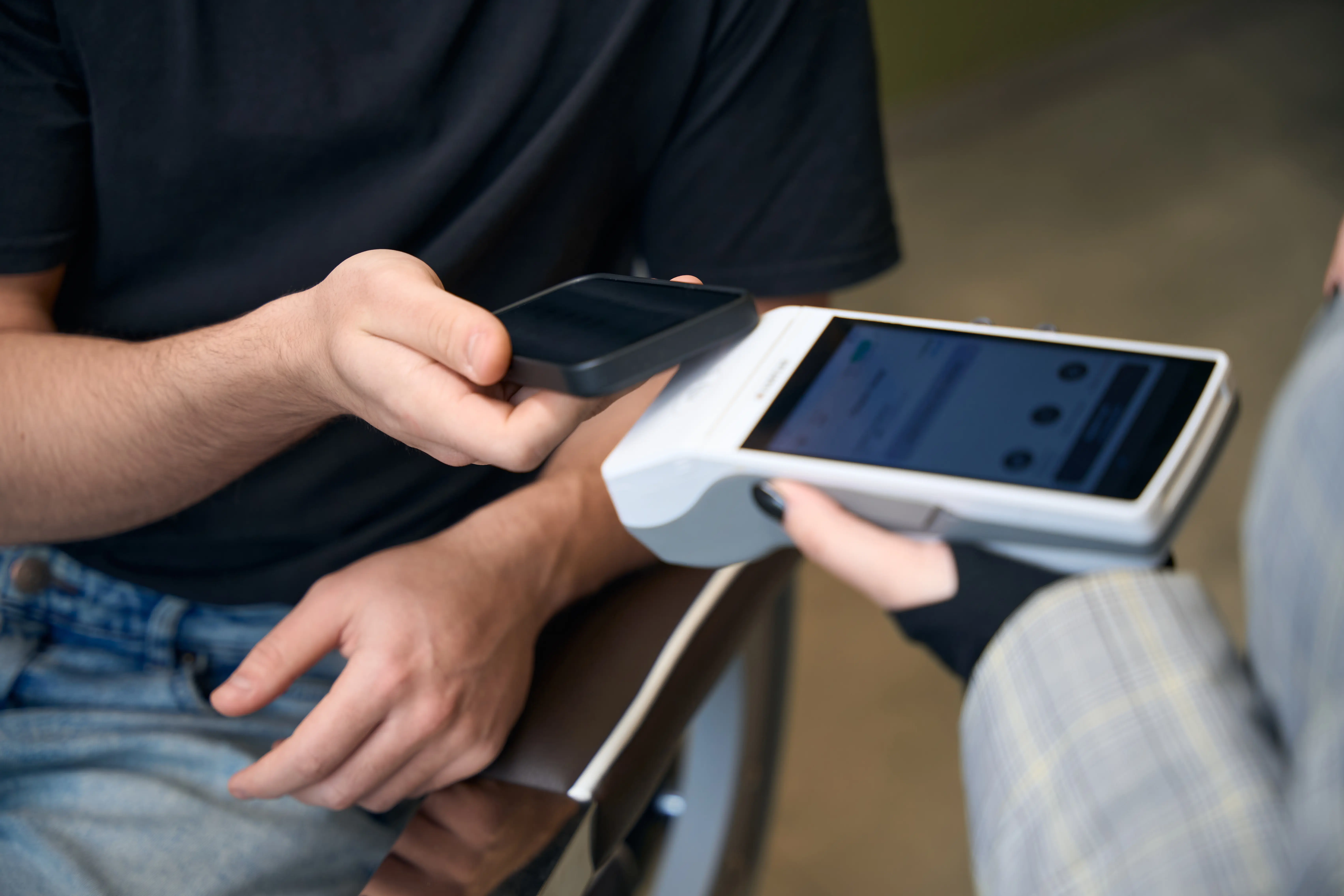
We accept most major PPO dental insurance plans and welcome HSA and FSA payments. For costs beyond coverage, flexible financing through Cherry offers 0% APR options for qualified patients, making it easy to break treatment into manageable monthly payments.

New Patient Special!
Starting at
$189
get
Comprehensive exam
X-Rays
Cleaning
Full Treatment Plan
(Cannot be combined with insurance, new patients only, not valid in cases of periodontal disease.)
.webp)
FREE Second Opinion
Special Price
FREE
get
No cost, no pressure — get an honest evaluation without feeling rushed or sold to
Clear answers you can trust — we review your diagnosis, options, and next steps
Confidence before treatment — make informed decisions about your dental health
Frequently Asked Questions About ridge augmentation
What is the difference between ridge augmentation and guided bone regeneration?
Ridge augmentation is the broader procedure of rebuilding the collapsed jaw ridge. Guided bone regeneration is the specific membrane-based technique used during ridge augmentation to protect the graft and guide bone cell growth. They are used together. GBR is the technique that makes ridge augmentation predictable.
How long does healing take after ridge augmentation?
Most ridge augmentation cases require four to nine months of healing before implant placement, depending on how much bone needs to be rebuilt. Horizontal augmentation generally heals faster than vertical augmentation. Dr. Sung confirms readiness with follow-up cone beam CT imaging before proceeding to implant placement.
What type of membrane is used in GBR?
Both resorbable and non-resorbable membranes are used depending on the case. Resorbable membranes break down naturally over time and do not require removal. Non-resorbable membranes provide more rigid containment for larger defects but require a second procedure for removal. Clinical evidence shows both achieve comparable bone gain outcomes.
Can I get implants if I have had significant bone loss for years?
In most cases yes. Ridge augmentation is specifically designed to rebuild the bone lost over extended periods of tooth absence. The extent of augmentation needed depends on how much bone remains, but the majority of patients with even significant ridge loss can achieve adequate bone volume for implant placement with the right preparation.
How much does ridge augmentation cost in Texas?
Most localized horizontal ridge augmentation procedures range from $1,500 to $3,500. More extensive vertical or full ridge reconstruction varies based on complexity.


What Ridge Augmentation Leads To
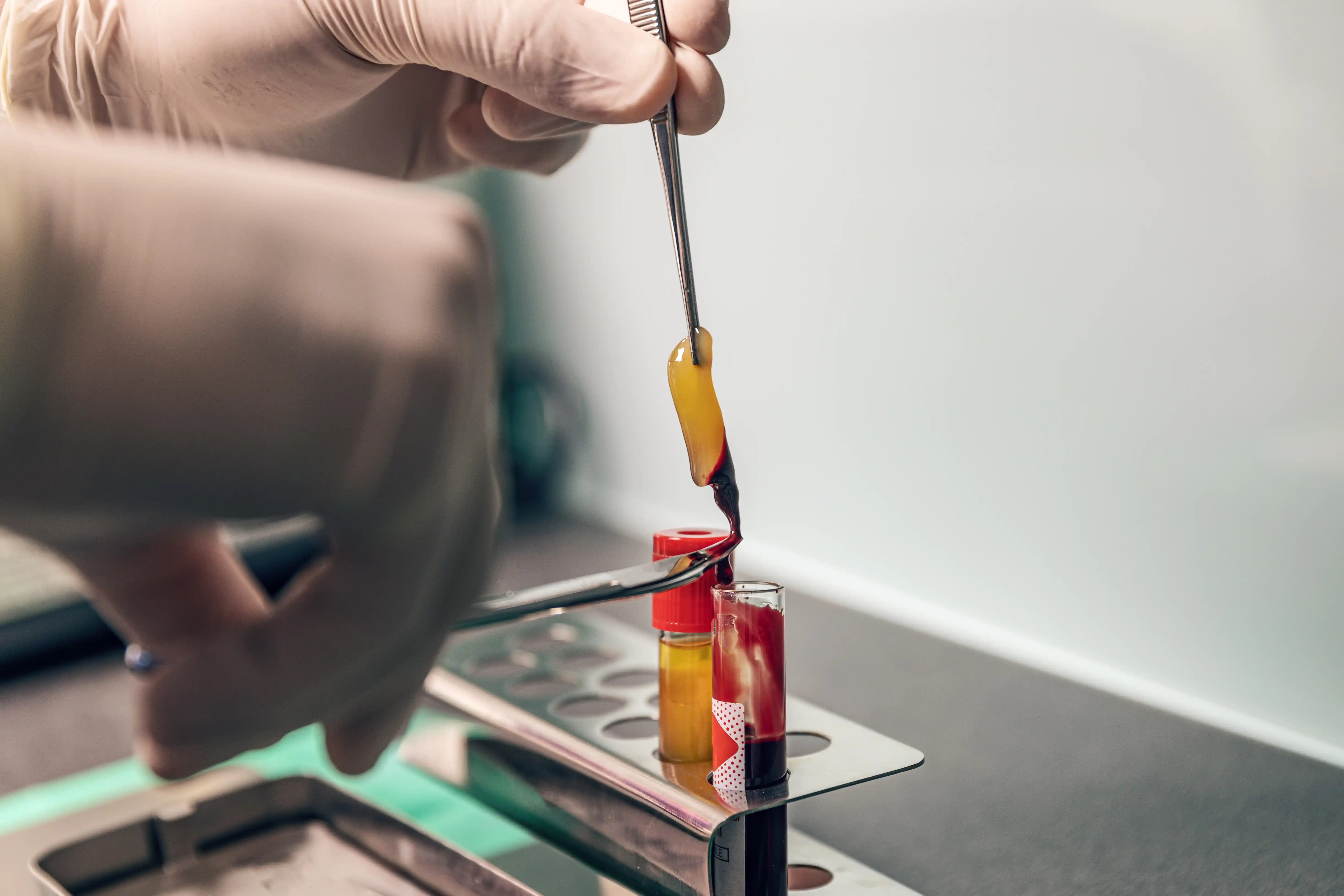
PRF Therapy
Grand Mission incorporates PRF into ridge augmentation procedures to accelerate new bone formation and improve GBR outcomes using your own concentrated growth factors.
Learn More about PRF Therapy
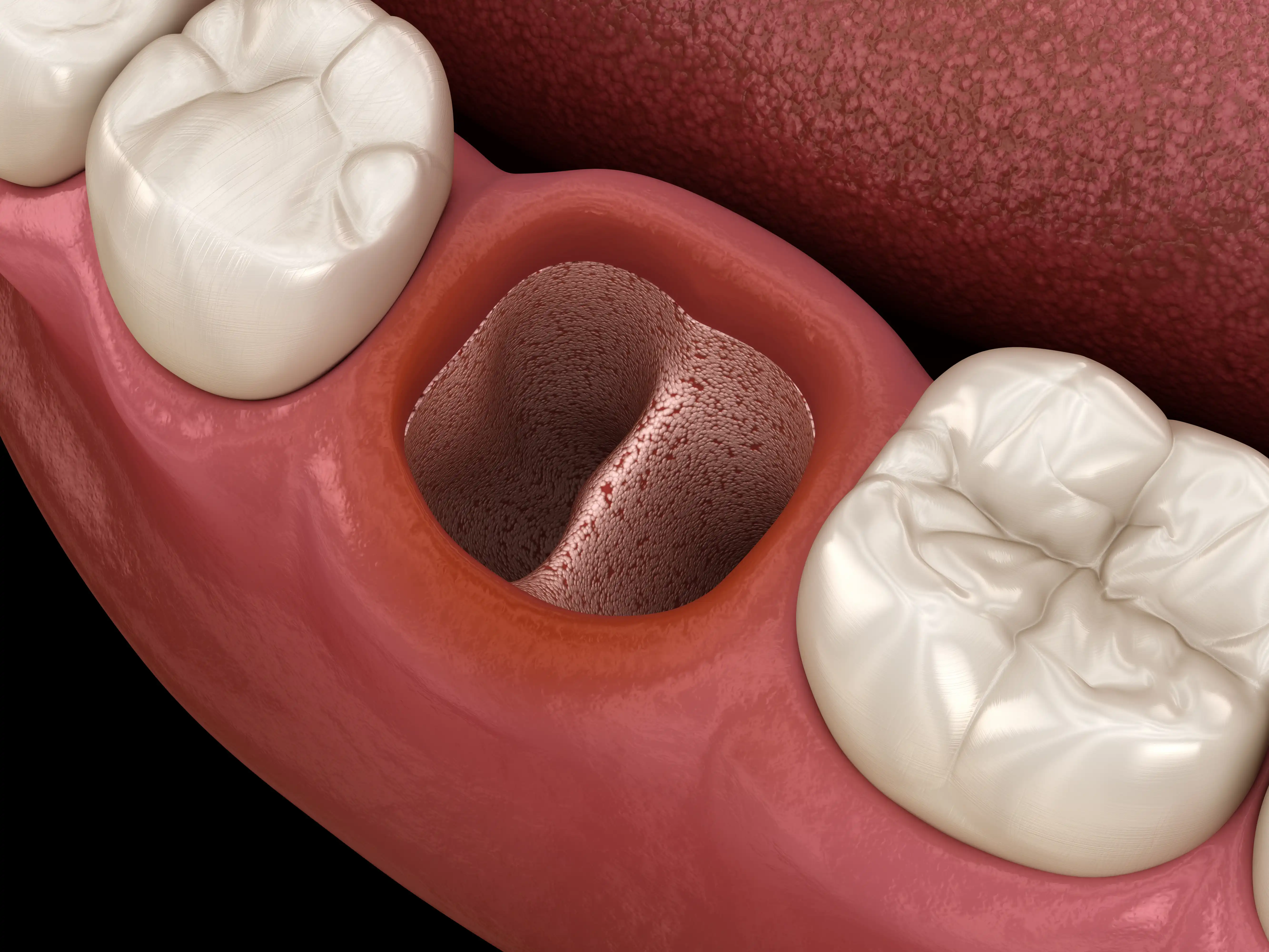
Socket Preservation
Socket preservation at the time of extraction prevents the ridge collapse that often requires augmentation later. It is the most effective way to avoid needing ridge augmentation in the first place.
Learn More about Socket Preservation

Bone Grafting
Being told you do not have enough bone for implants is not the end of the conversation. Ridge augmentation rebuilds what has been lost and makes implants possible in sites where they previously were not.
Learn More about Bone Grafting
Your confident smile
Is our guide
Schedule your appointment today
Experience dental care that puts your comfort, confidence, and health first. We're here to make dental visits feel like your home away from home.