
.webp)
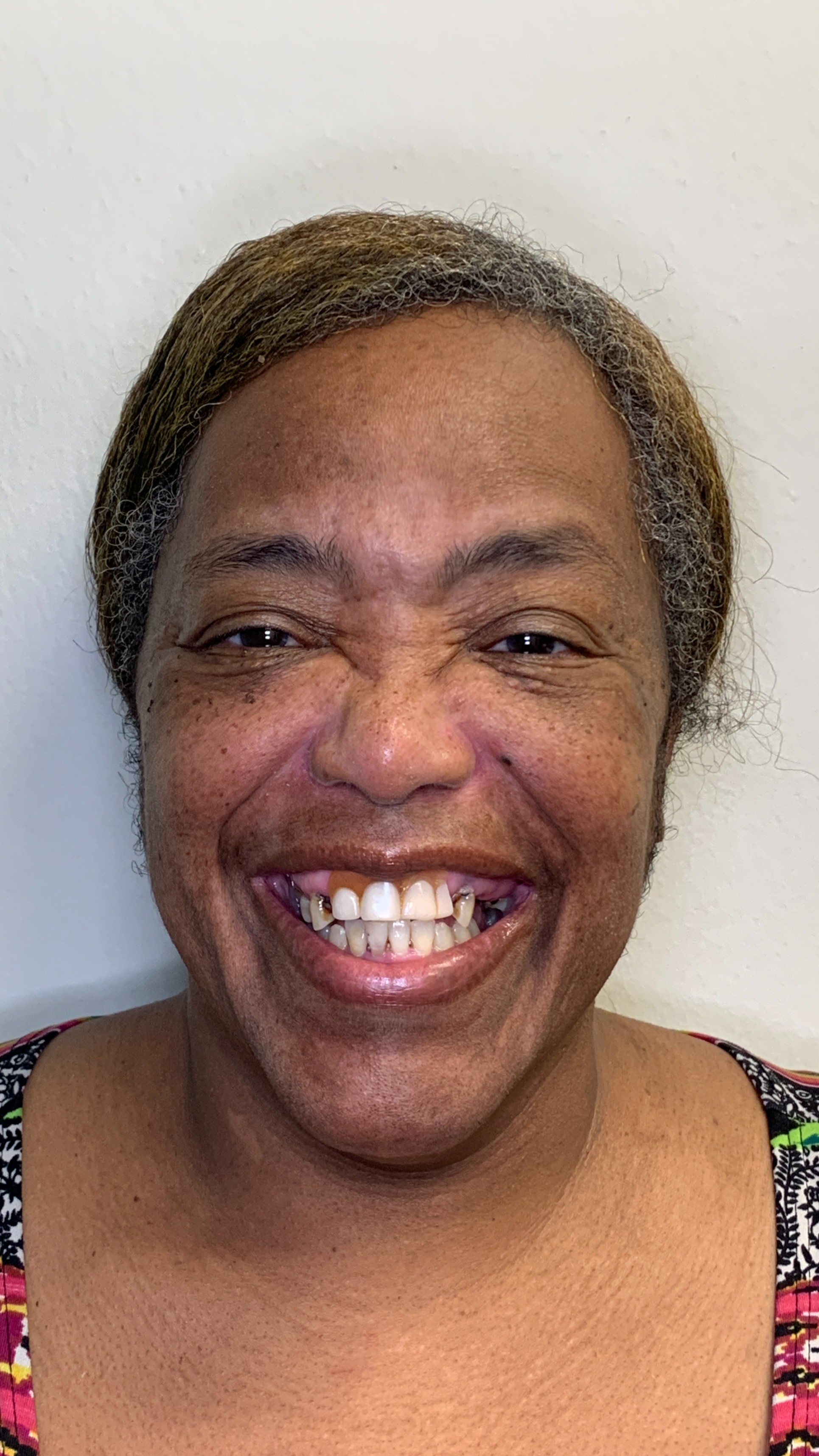
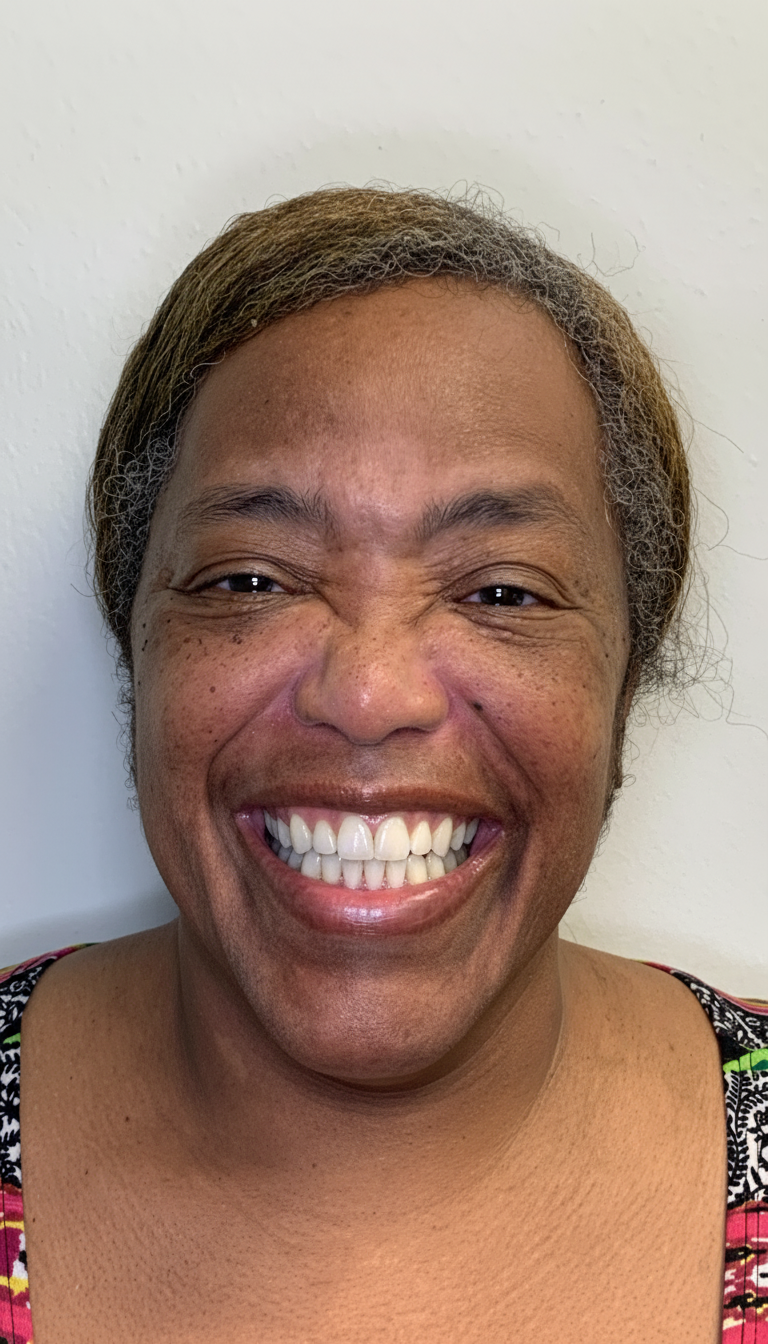
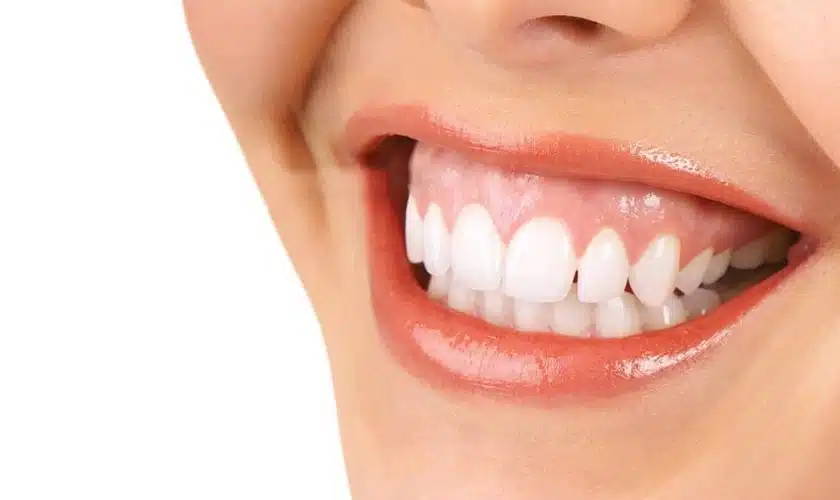
The earliest and most reversible stage. Plaque buildup along the gum line causes inflammation, redness, and bleeding when brushing or flossing. Gingivitis affects up to 90% of the population at some point and can be completely reversed with professional cleaning and improved home care.
Periodontal Care in Richmond, TX
Gum Disease Treatment and Prevention by Dr. William Sung DMD
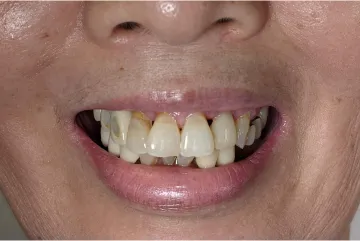
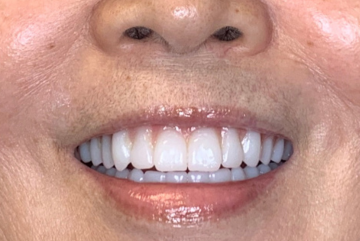

Before
After
Periodontal Care at Grand Mission
Gum disease is the leading cause of tooth loss in adults and one of the most under-treated conditions in dentistry because it is painless in its early stages. Most patients do not know they have it until it has already progressed. At Grand Mission, Dr. William Sung provides comprehensive periodontal care ranging from the earliest signs of gingivitis through advanced periodontitis treatment, using proven non-surgical therapies and ongoing maintenance protocols that stop disease progression and protect your teeth for life. If you have been told your gums need attention, or if it has been a while since your last checkup, a periodontal evaluation is the right starting point.
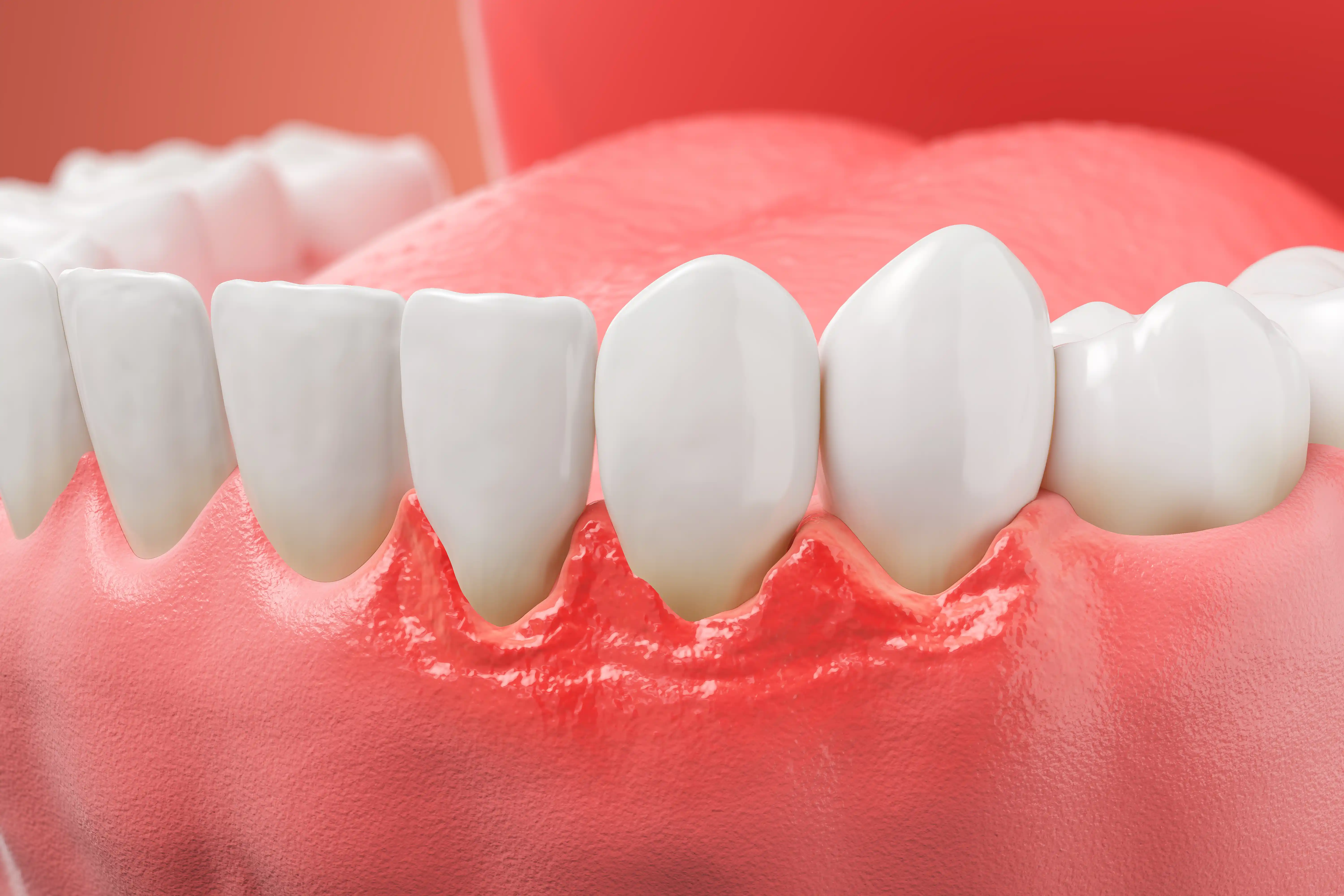
What Is Gum Disease?
Gum disease progresses through stages. The earlier it is caught, the more reversible it is.
When gingivitis is left untreated, the infection spreads below the gum line. Gum pockets deepen, the supporting bone begins to be destroyed, and the condition transitions from reversible to manageable. Professional deep cleaning stops progression at this stage in most cases.
Deeper bone loss and tissue destruction. Pockets deepen further, teeth may begin to feel loose, and bacterial toxins are increasingly entering the bloodstream. More intensive treatment and closer maintenance intervals are needed.
Advanced bone and tissue loss with significant tooth mobility. Teeth may need to be extracted. This stage requires the most complex treatment and underscores why early intervention is always the better path.
Signs You May Have Gum Disease
Gum disease is often called a silent disease because it rarely causes significant pain until advanced stages. These are the warning signs to watch for.
Early Warning Signs:
Gums that bleed when brushing or flossing
Gums that are red, swollen, or tender
Persistent bad breath or a bad taste in your mouth
Gums that appear to be pulling away from your teeth
Increased sensitivity along the gum line
Signs of Advanced Disease:
Deep pockets between your teeth and gums
Loose teeth or teeth that feel like they are shifting
Changes in the way your teeth fit together when you bite
Pus between your teeth and gums
Tooth loss
Periodontal Treatment Options at Grand Mission
The right treatment depends on the stage and severity of your gum disease. Dr. Sung designs a personalized treatment plan based on your specific condition.
For patients in the early gingivitis stage, a thorough professional cleaning combined with improved home care techniques reverses the condition completely. No further treatment is needed when caught at this stage.
The gold standard non-surgical treatment for early to moderate periodontitis. Plaque and tartar are removed from beneath the gum line and the root surfaces are smoothed to prevent bacteria from reattaching. Performed under local anesthesia with sedation available. Most cases show significant improvement after one round of treatment.
After active gum disease treatment, maintenance appointments every three to four months are essential to monitor gum health, remove bacteria before pockets deepen again, and prevent recurrence. Periodontal maintenance is a long-term commitment, not a short-term course of treatment.
Every patient at Grand Mission receives a periodontal evaluation at their regular checkup including pocket depth measurements, bone level assessment, and tissue examination. Early detection catches problems before they require intensive treatment.
How Much Does Professional Periodontal Care Cost in Texas?
| Treatment | Estimated Cost Range | Notes |
|---|---|---|
| Professional cleaning with gingivitis treatment | $100 to $300 | Often covered by insurance |
| Scaling and root planing per quadrant | $200 to $400 | Four quadrants for full mouth |
| Full mouth scaling and root planing | $800 to $1,600 | Most common active treatment |
| Periodontal maintenance visit | $100 to $200 per visit | Every 3 to 4 months |
What Leaving Gum Disease Untreated Is Actually Doing
Gingivitis is reversible. Periodontitis is not. Every stage of progression narrows your options and raises your treatment costs.
Health Risk Sources

- Graves DT, et al. "Periodontal disease and tooth loss." PubMed. https://pubmed.ncbi.nlm.nih.gov/9779103/
- Siow DSF, Goh EXJ, Ong MMA, Preshaw PM. "Risk factors for tooth loss and progression of periodontitis in patients undergoing periodontal maintenance therapy." Journal of Clinical Periodontology vol. 50,1 (2023): 61-70. doi:10.1111/jcpe.13721. https://pubmed.ncbi.nlm.nih.gov/36065561/
- Isola G, Santonocito S, Lupi SM, et al. "Periodontal Health and Disease in the Context of Systemic Diseases." Mediators of Inflammation (2023). doi:10.1155/2023/9720947. https://pmc.ncbi.nlm.nih.gov/articles/PMC10199803/
- Antonoglou GN, Romandini M, Meurman JH, et al. "Periodontitis and edentulism as risk indicators for mortality: results from a prospective cohort study with 20 years of follow-up." Journal of Periodontal Research vol. 58,1 (2023): 12-21. https://pubmed.ncbi.nlm.nih.gov/36192495/
Gum Disease Treatment Process

Comprehensive Evaluation
Dr. Sung measures pocket depths around every tooth, assesses bone levels with digital X-rays, evaluates gum tissue color and texture, and checks for bleeding on probing. This gives a complete picture of your periodontal health before any treatment is recommended.
Personalized Treatment Plan
Based on your evaluation, Dr. Sung recommends the appropriate treatment level, from a standard cleaning to scaling and root planing, and sets a maintenance schedule appropriate for your disease severity.
Active Treatment
Scaling and root planing is performed with local anesthesia, quadrant by quadrant if needed. Most patients require two to four appointments for a full mouth treatment. Sedation is available for patients who want additional comfort.
Re-Evaluation
Four to six weeks after active treatment, Dr. Sung reassesses your pocket depths to confirm the gum tissue is responding. This determines whether additional treatment is needed or whether you are ready for the maintenance phase.
Ongoing Maintenance
Periodontal maintenance every three to four months keeps bacterial levels below the threshold that triggers disease recurrence. Patients who maintain this schedule consistently have significantly better long-term outcomes than those who return to annual cleanings.
why patients choose grand mission dentistry for Periodontal Care

Every Checkup Includes a Periodontal Evaluation
At Grand Mission, gum pocket depths are measured and tissue is assessed at every regular checkup. Early detection means simpler treatment. Problems caught at the gingivitis stage require no more than a professional cleaning and improved home care.

Scaling and Root Planing With Sedation Available
Deep cleaning at Grand Mission is performed with local anesthesia and sedation available for patients who want additional comfort. Most patients find the experience significantly more manageable than they expected.

Coordinated Care for Implant Patients
Active gum disease must be controlled before any implant or restorative work begins. Grand Mission coordinates periodontal treatment and restorative care in house so your mouth is healthy before a single restoration is placed.

Dr. William Sung DMD

Dr. Tam Nguyen DMD
.webp)
Dr. Van Nguyen DDS
Flexible Financing for Every Budget

We accept most major PPO dental insurance plans and welcome HSA and FSA payments. For costs beyond coverage, flexible financing through Cherry offers 0% APR options for qualified patients, making it easy to break treatment into manageable monthly payments.

New Patient Special!
Starting at
$189
get
Comprehensive exam
X-Rays
Cleaning
Full Treatment Plan
(Cannot be combined with insurance, new patients only, not valid in cases of periodontal disease.)
.webp)
FREE Second Opinion
Special Price
FREE
get
No cost, no pressure — get an honest evaluation without feeling rushed or sold to
Clear answers you can trust — we review your diagnosis, options, and next steps
Confidence before treatment — make informed decisions about your dental health
Frequently Asked Questions About periodontal disease
What is periodontal disease?
Periodontal disease is a bacterial infection of the tissues supporting your teeth, including the gums, periodontal ligament, and alveolar bone. It begins as gingivitis, inflammation of the gum tissue, and progresses to periodontitis when the infection spreads below the gum line and begins destroying bone and tissue.
How do I know if I have gum disease?
Common signs include bleeding gums when brushing or flossing, swollen or tender gums, persistent bad breath, gums pulling away from teeth, and loose teeth. However, gum disease is often painless in early stages, which is why regular professional evaluations with pocket depth measurements are essential.
Is scaling and root planing painful?
Scaling and root planing is performed under local anesthesia. Most patients report minimal discomfort during the procedure. Mild soreness for a few days after is normal and manageable with over-the-counter pain medication. Sedation is available for patients who want additional comfort.
How long does scaling and root planing take?
Most patients require two to four appointments to complete a full mouth treatment, with one to two quadrants treated per session. Each appointment takes approximately 45 to 90 minutes.
What is periodontal maintenance and why do I need it?
After active gum disease treatment, maintenance appointments every three to four months are essential to prevent recurrence. Bacteria in periodontal pockets recolonize within two to three months. Regular maintenance keeps bacterial levels below the threshold that triggers disease progression.
Can gum disease be cured?
Gingivitis is fully reversible with professional treatment and improved home care. Periodontitis cannot be cured but it can be successfully managed. With proper treatment and consistent maintenance, disease progression is stopped and teeth are preserved for life in the vast majority of cases.

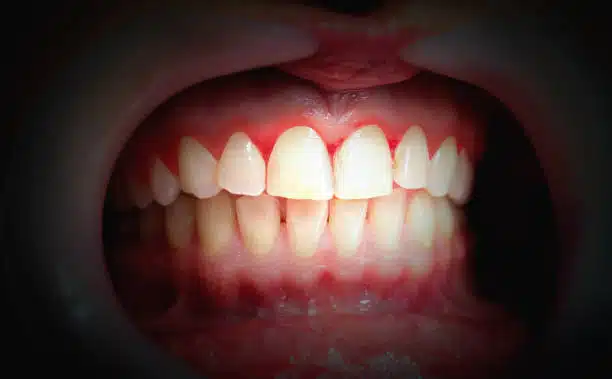

Related Services
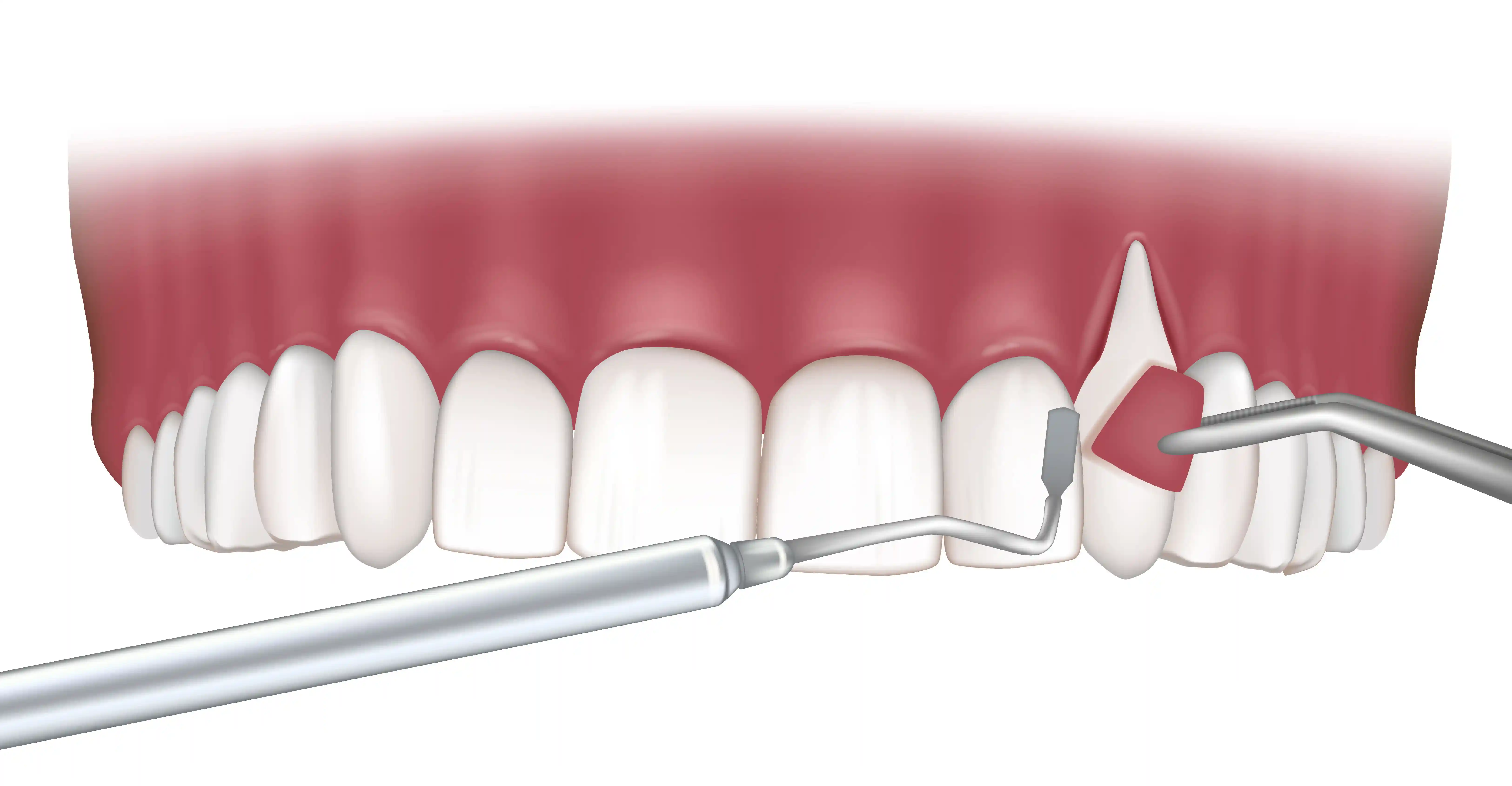
Gum Tissue Regeneration
When recession has occurred as a result of gum disease, gum grafting restores lost tissue after the infection is controlled through periodontal treatment.
Learn More about Gum Tissue Regeneration

Bone Grafting
Advanced periodontitis destroys bone supporting the teeth. Bone grafting can rebuild lost bone once disease is controlled, preserving teeth and opening the door to implant treatment
Learn More about Bone Grafting

General Dentistry
Regular checkups at Grand Mission include periodontal evaluation at every visit. Catching gum disease at its earliest stage keeps treatment simple and outcomes excellent.
Learn More about General Dentistry
Your confident smile
Is our guide
Schedule your appointment today
Gum disease does not announce itself until it is advanced. By the time it hurts, bone and tissue have already been lost. A periodontal evaluation takes minutes and gives you a clear picture of where your gum health stands. Dr. Sung is ready to evaluate your specific situation and show you the simplest path to healthy gums for life.