
.webp)
Gum Tissue Regeneration in Richmond, TX
Receding Gum Treatment and Gum Grafting by Dr. William Sung DMD
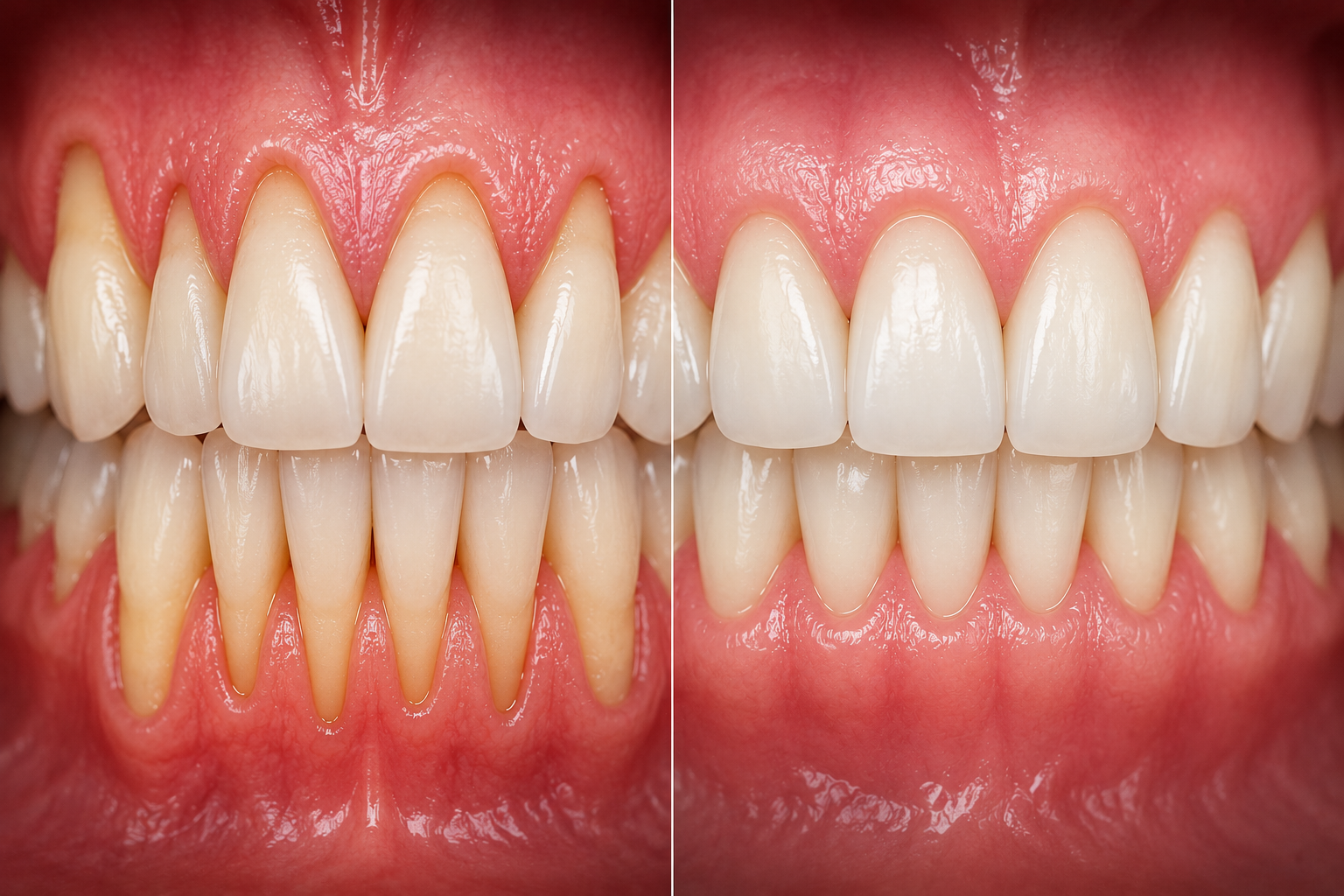
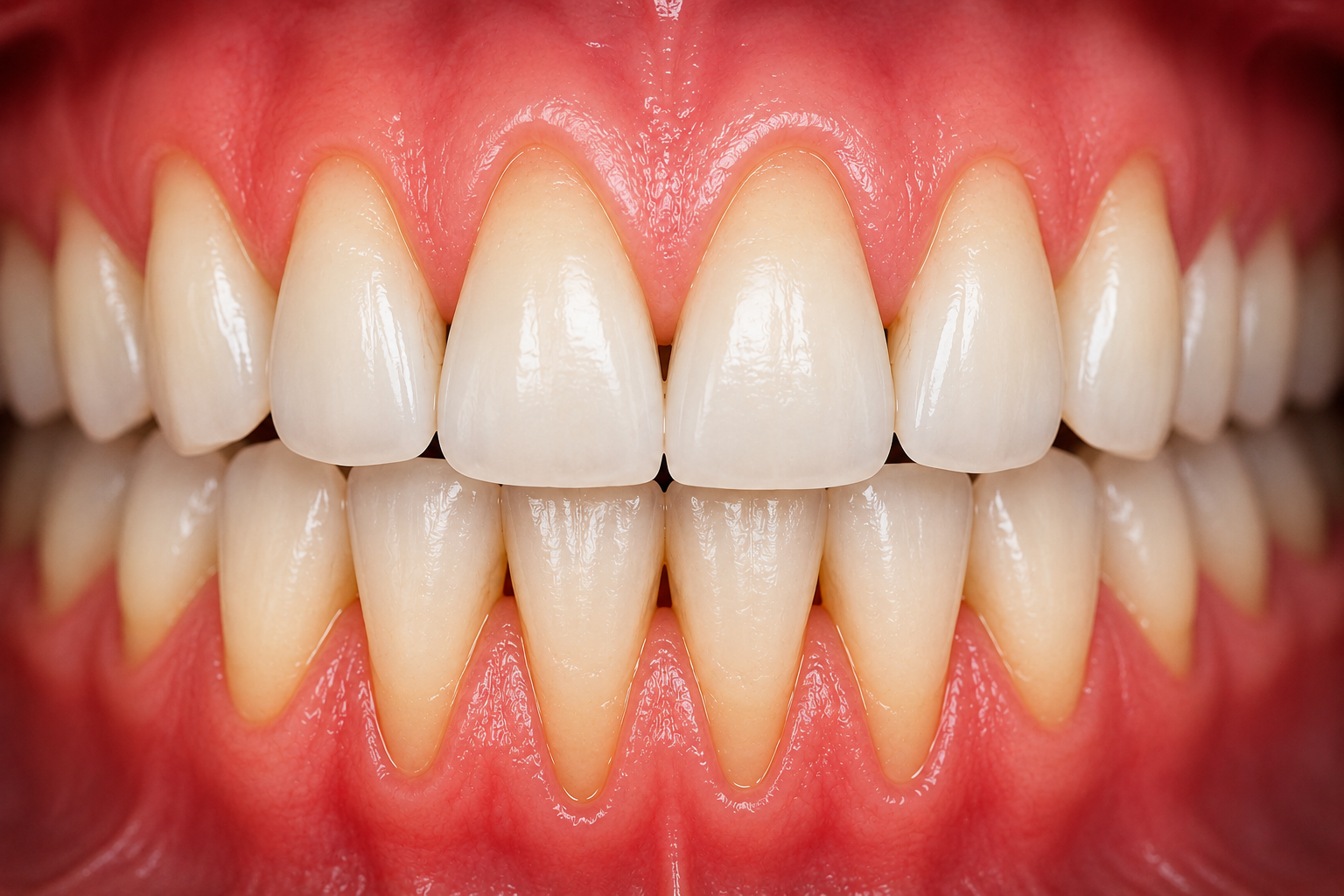

Before
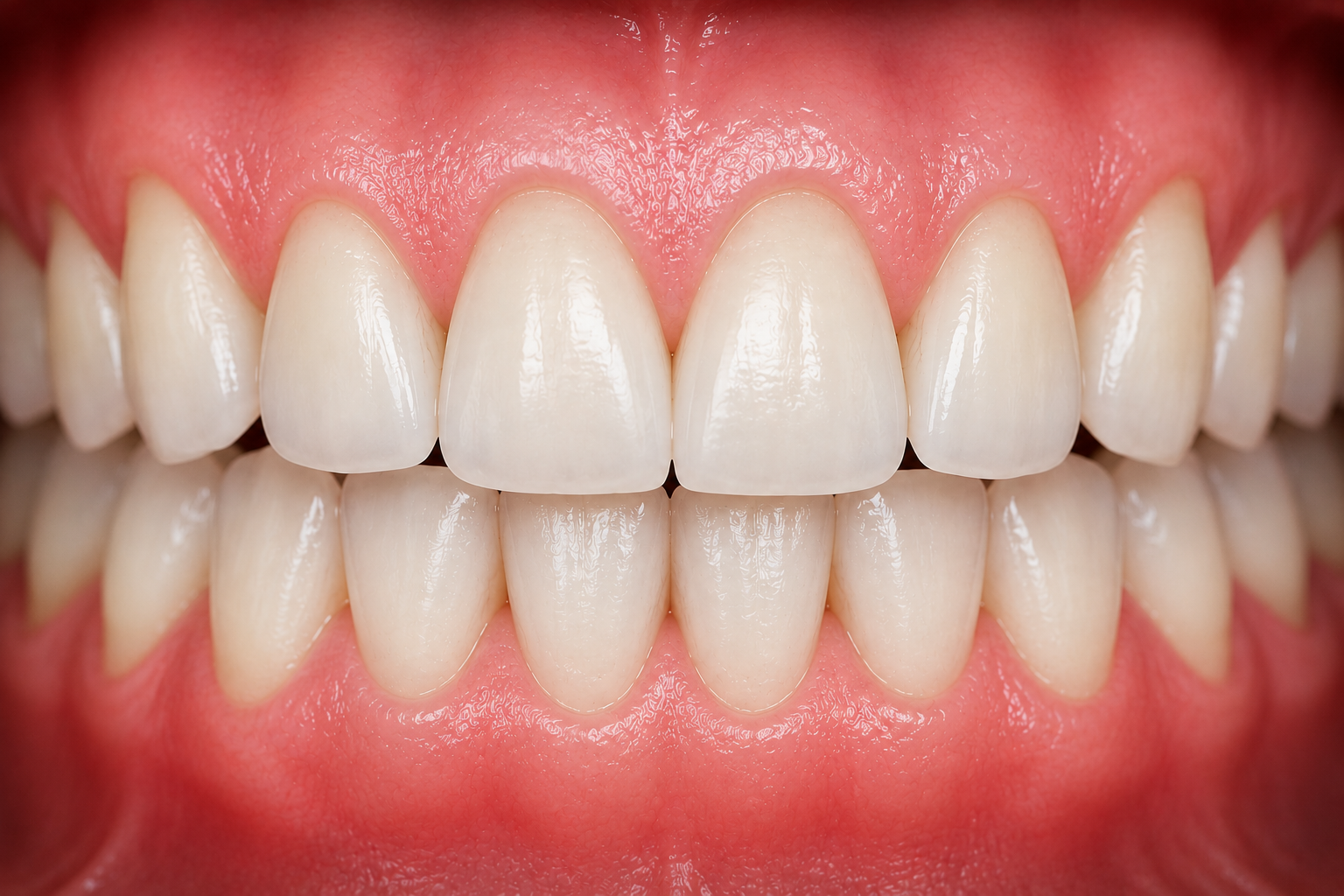
After
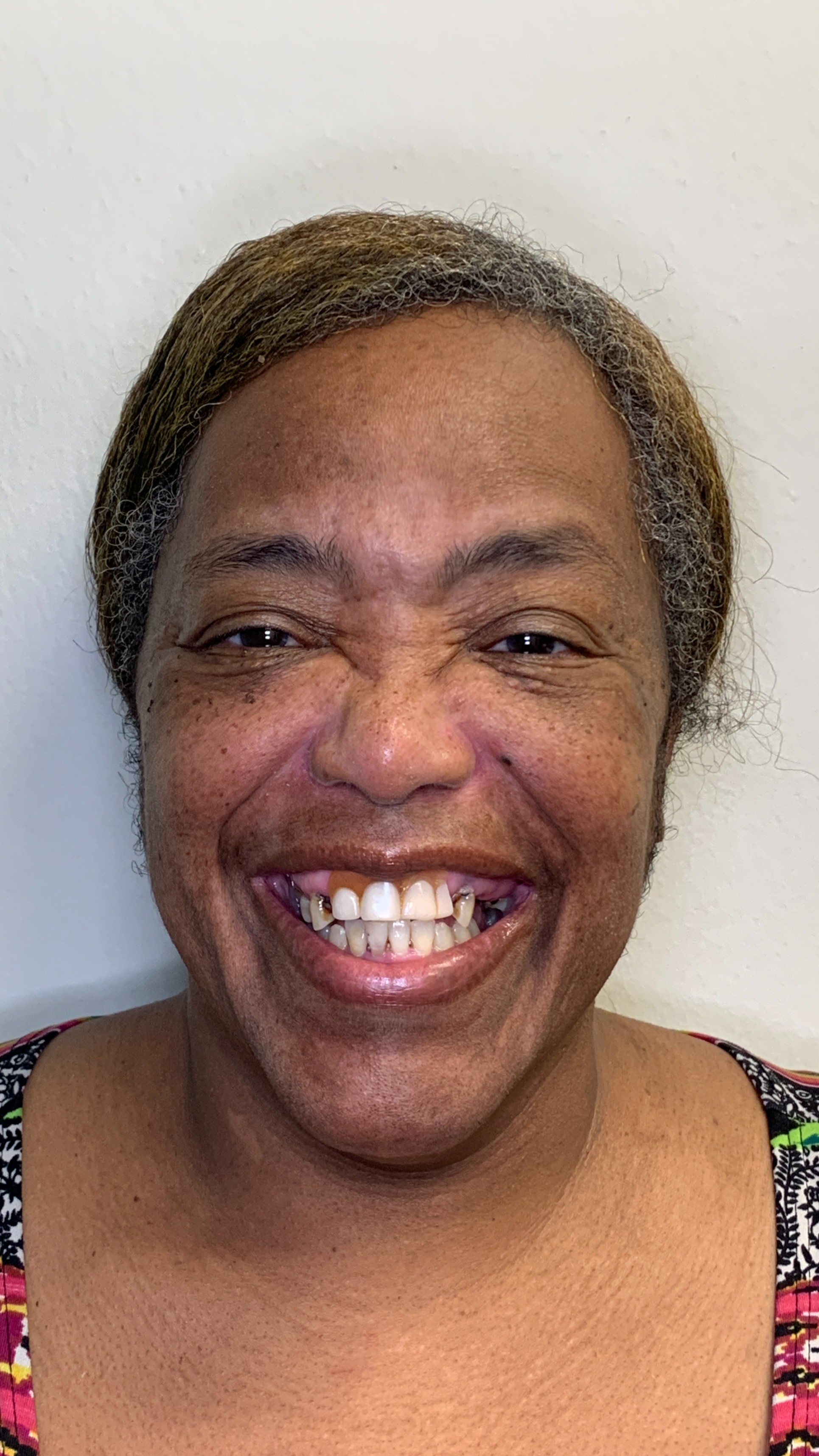
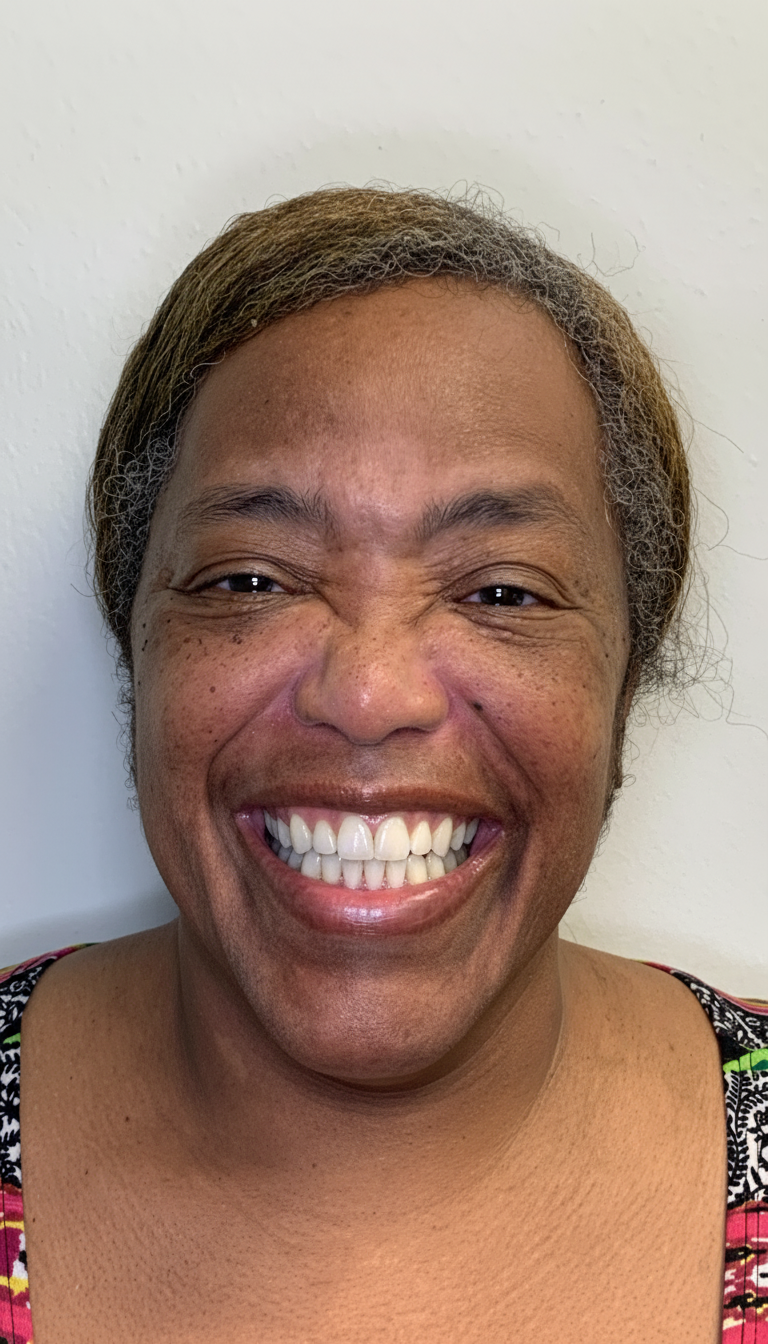
Can Receding Gums Grow Back?
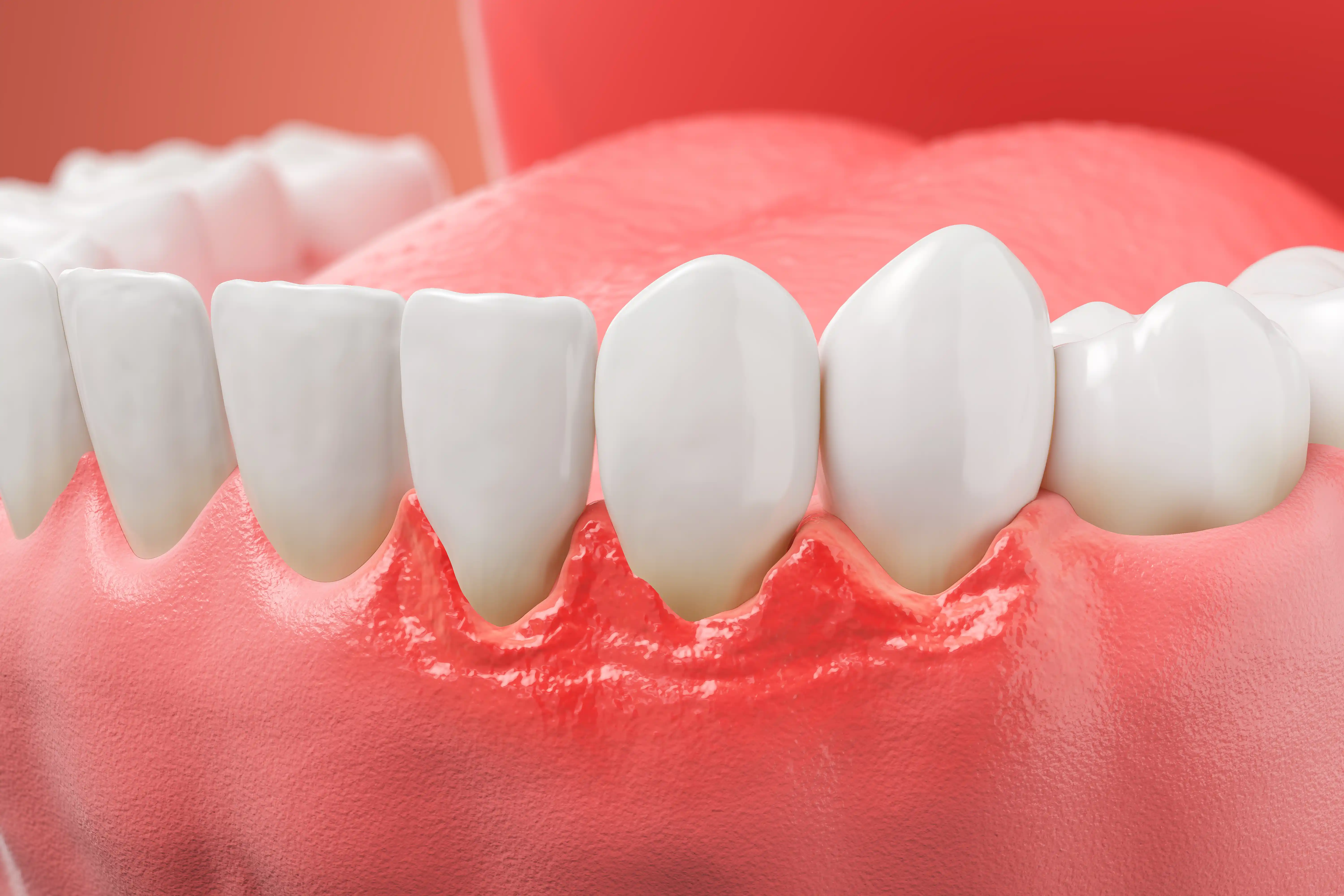
The honest answer is no. Once gum tissue has receded, it does not regenerate on its own. But that is not the end of the story. Gum tissue regeneration and gum grafting procedures can restore what has been lost, covering exposed roots, eliminating sensitivity, and protecting your teeth from the bone loss and root decay that untreated recession leads to. At Grand Mission, Dr. William Sung evaluates the cause of your recession first and recommends the least invasive treatment that achieves a lasting result. Not every case needs surgery. But when it does, we have the skill and technology to deliver a predictable, comfortable outcome.
What Causes Gum Recession?
Recession rarely has a single cause. Understanding why your gums are receding determines the right treatment approach.
Gum Disease
The most common cause. Bacterial infection destroys the gum tissue and underlying bone that support your teeth. Recession is one of the first visible signs that periodontal disease is progressing.
Aggressive Brushing
Brushing too hard or with a hard-bristled brush physically wears away gum tissue over time. The damage is gradual and often not noticed until significant recession has already occurred.
Thin Gum Tissue Genetics
Some people are born with naturally thin or minimal attached gum tissue. This genetic predisposition makes recession more likely even with excellent oral hygiene and creates a higher-risk baseline that needs monitoring.
Orthodontic Treatment
Braces and clear aligners move teeth through bone. When teeth are moved too quickly or outside their natural bone envelope, the gum tissue on the outer surface can thin and recede.
Grinding and Clenching
Excessive bite forces create stress at the gum line and can accelerate recession, particularly in patients who already have thin gum tissue or early gum disease.
Tobacco Use
Smoking and chewing tobacco impair gum tissue health, reduce blood flow to gum tissue, and significantly increase recession risk and treatment complications.
Treatment Options for Receding Gums at Grand Mission
The right treatment depends on the severity of your recession, its cause, and what you need to achieve. Dr. Sung recommends the least invasive option that delivers a lasting result.
Scaling and Root Planing
When recession is caused by gum disease, deep cleaning to remove bacterial buildup from beneath the gum line is always the first step. Removing the cause stops further recession before any regenerative treatment begins.
Connective Tissue Graft
The most common surgical approach. A small amount of tissue is taken from the roof of the mouth and used to cover the exposed root, thickening the gum tissue and preventing further recession. Highly predictable outcomes with decades of supporting evidence.
Free Gingival Graft
Used when the goal is to increase the width of attached gum tissue rather than root coverage specifically. Tissue is taken from the palate and placed where the gum band is too thin to protect against future recession.
PRF Enhanced Regeneration
Grand Mission incorporates PRF therapy into gum grafting procedures to accelerate healing, improve tissue integration, and reduce post-operative discomfort. Clinical evidence shows PRF significantly enhances soft tissue regeneration outcomes.
How Much Does Gum Tissue Regeneration Cost in Texas?
| Procedure | Estimated Cost Range | Notes |
|---|---|---|
| Scaling and root planing | $200 to $400 per quadrant | Often covered by insurance |
| Connective tissue graft | $600 to $1,200 per tooth | Most common graft procedure |
| Free gingival graft | $500 to $1,000 per site | For tissue width augmentation |
| Multiple teeth grafting | $1,500 to $3,500+ | Depends on number of sites |
Are You a Candidate for Gum Tissue Regeneration?
✅ You May Benefit From Treatment If You:
Have visible root exposure on one or more teeth
Experience sensitivity to hot, cold, or sweet foods
Have been told your gums are receding at dental checkups
Are planning implants and need adequate gum tissue around the site
⚠️ You May Need Preparation First If You:
Have active untreated gum disease that must be controlled before grafting
Smoke heavily, which significantly increases graft failure risk
Have uncontrolled systemic conditions that affect healing
Have recession caused by orthodontic movement that is still in progress
What Leaving Receding Gums Untreated Is Actually Doing
Recession does not pause. Without treatment it progresses, and each millimeter lost makes treatment more complex.
Health Risk Sources

- Albandar JM, Kingman A. "Gingival recession, gingival bleeding, and dental calculus in adults 30 years of age and older in the United States, 1988-1994." Journal of Periodontology vol. 70,1 (1999): 30-43. doi:10.1902/jop.1999.70.1.30. Referenced in: PMC3467775. https://pmc.ncbi.nlm.nih.gov/articles/PMC3467775/
- Jati AS, Furquim LZ, Consolaro A. "Gingival recession: its causes and types, and the importance of orthodontic treatment." Dental Press Journal of Orthodontics vol. 21,3 (2016): 18-29. https://pmc.ncbi.nlm.nih.gov/articles/PMC4944726/
- Cleveland Clinic. "Gum Recession: Causes, Prevention, Surgery and Treatment." Reviewed November 2025. https://my.clevelandclinic.org/health/diseases/22753-gum-recession
- Slots J. "Periodontitis: facts, fallacies and the future." Periodontology 2000 vol. 75,1 (2017): 7-23. Referenced via Columbia Center for Implants & Periodontics clinical summary. https://www.columbiamdperio.com/what-causes-bone-loss-in-your-mouth-gum-disease-explained/
The Gum Tissue Regeneration Process at Grand Mission
.jpg)
Comprehensive Evaluation
Dr. Sung measures recession depth and width at every affected site, assesses bone levels, identifies the cause of recession, and determines whether surgical or non-surgical treatment is the right starting point.
Disease Control First
If active gum disease is contributing to recession, scaling and root planing is completed before any grafting procedure. Placing a graft into an infected environment compromises the outcome. The cause must be controlled first.
Graft Procedure Under Local Anesthesia or Sedation
Graft material is taken from the palate or a tissue bank and precisely placed to cover the exposed root. PRF is incorporated where appropriate to support healing. The procedure is typically completed in one to two hours.
Healing and Integration
Most patients experience mild soreness for one to two weeks. The graft tissue integrates with your existing gum tissue over four to six weeks. Dr. Sung monitors healing at follow-up appointments to confirm the result.
why patients choose grand mission dentistry for Gum Tissue Regeneration
PRF Enhanced Outcomes
Grand Mission incorporates PRF therapy into gum grafting procedures to accelerate soft tissue healing, improve graft integration, and reduce post-operative discomfort. Clinical evidence consistently supports better regenerative outcomes when PRF is used alongside graft procedures.
.png)
Cause First, Treatment Second
Grafting over active gum disease fails. Dr. Sung identifies and controls the underlying cause of your recession before any regenerative procedure begins, ensuring the graft has the healthiest possible environment to integrate and last.

Full Periodontal and Regenerative Care In House
Scaling and root planing, gum grafting, bone grafting, and PRF therapy are all available at Grand Mission. You never need a separate specialist referral. Dr. Sung manages your complete periodontal and regenerative treatment in house from diagnosis through long-term maintenance.
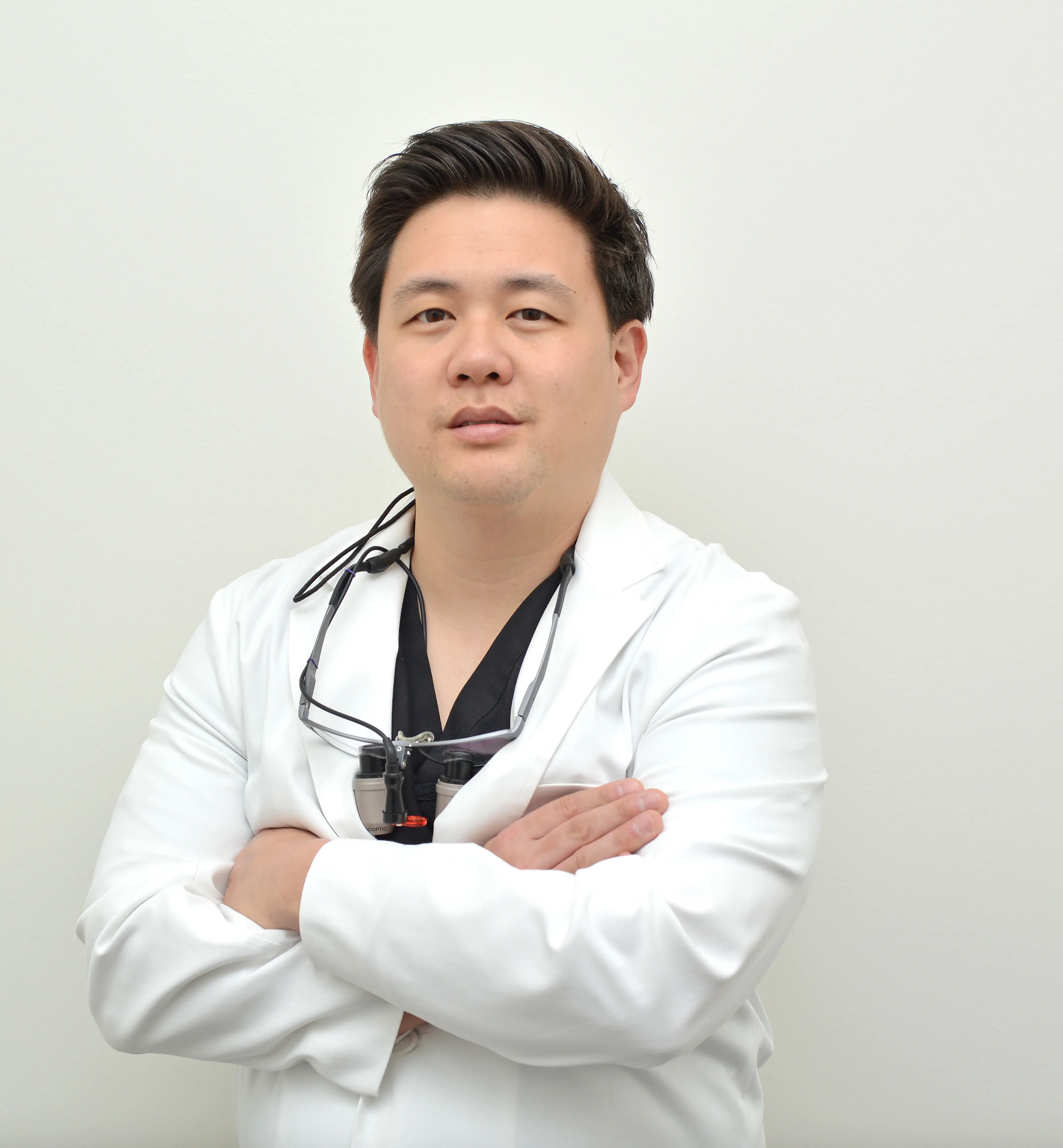
Dr. William Sung DMD
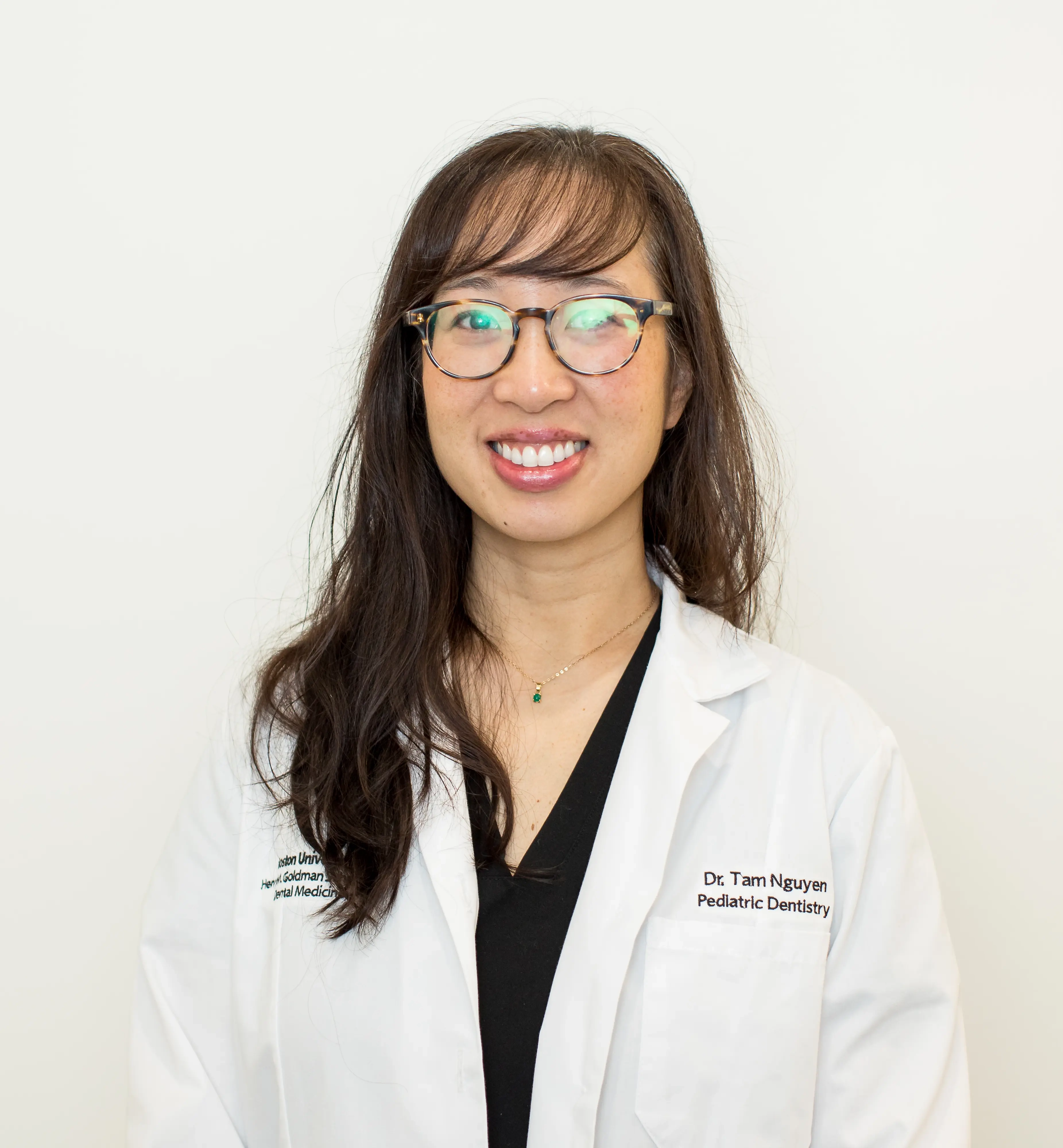
Dr. Tam Nguyen DMD
.webp)
Dr. Van Nguyen DDS
Flexible Financing for Every Budget
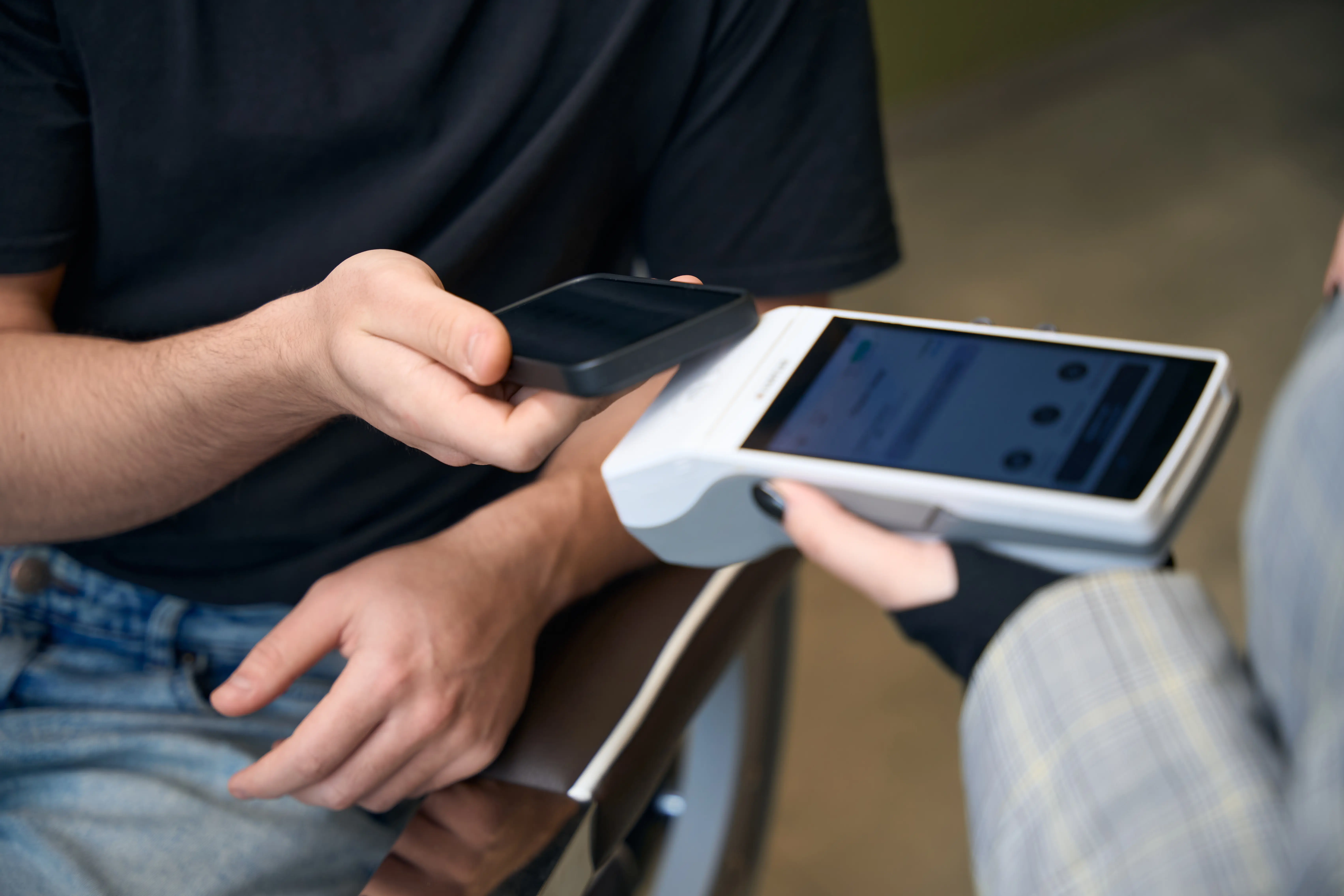
We accept most major PPO dental insurance plans and welcome HSA and FSA payments. For costs beyond coverage, flexible financing through Cherry offers 0% APR options for qualified patients, making it easy to break treatment into manageable monthly payments.

New Patient Special!
Starting at
$189
get
Comprehensive exam
X-Rays
Cleaning
Full Treatment Plan
(Cannot be combined with insurance, new patients only, not valid in cases of periodontal disease.)
.webp)
FREE Second Opinion
Special Price
FREE
get
No cost, no pressure — get an honest evaluation without feeling rushed or sold to
Clear answers you can trust — we review your diagnosis, options, and next steps
Confidence before treatment — make informed decisions about your dental health
Frequently Asked Questions About Gum Recession and Periodontal Health
Can receding gums grow back on their own?
No. Once gum tissue has receded it does not regenerate naturally. This is one of the most searched questions about gum recession and the honest answer is that surgical grafting is the only way to restore tissue that has already been lost. The good news is that gum grafting is highly predictable and the results are permanent when the underlying cause is properly managed.
Do gums grow back after treatment?
Gum grafting does not make your original gum tissue grow back. It replaces the lost tissue with graft material that integrates with your existing gums and permanently covers the exposed root. The result looks and functions like natural gum tissue.
How do I stop receding gums from getting worse?
Address the underlying cause. If gum disease is driving recession, periodontal treatment stops it. If aggressive brushing is the cause, technique correction and a soft bristled brush slow or halt progression. Regular maintenance appointments are essential. Grafting can restore what has been lost but preventing further recession requires controlling the cause.
How much does gum grafting cost in Texas?
Most single-tooth connective tissue grafts range from $600 to $1,200. Multiple site treatment varies based on extent. Many insurance plans cover scaling and root planing. Our team verifies your benefits before your consultation.
.png)

.jpeg)
What Comes Before and After Gum Tissue Regeneration
%20(2).png)
PRF Therapy
Grand Mission incorporates PRF into gum grafting procedures to improve healing and integration outcomes using your own concentrated growth factors.
Link: PRF Therapy
Learn More about PRF Therapy

Bone Grafting
When gum recession has been accompanied by bone loss, bone grafting may be needed alongside or following gum tissue regeneration to restore the complete supporting structure.
Learn More about Bone Grafting
.png)
Dental Implants
Adequate gum tissue volume is essential for successful implant placement and long-term implant health. Gum grafting before implant placement is sometimes a necessary preparation step.
Learn More about Dental Implants
Your confident smile
Is our guide
Schedule your appointment today
Receding gums will not reverse themselves. But with the right treatment they can be restored, the underlying cause can be controlled, and your teeth can be protected for the long term. Dr. Sung is ready to evaluate your specific situation and show you the clearest path forward.