
.webp)
Dental Crowns in Richmond, TX
Custom Tooth Restoration by Dr. William Sung DMD
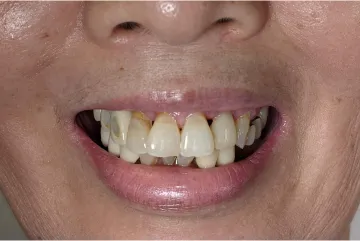

Before
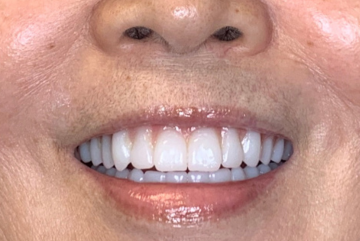
After
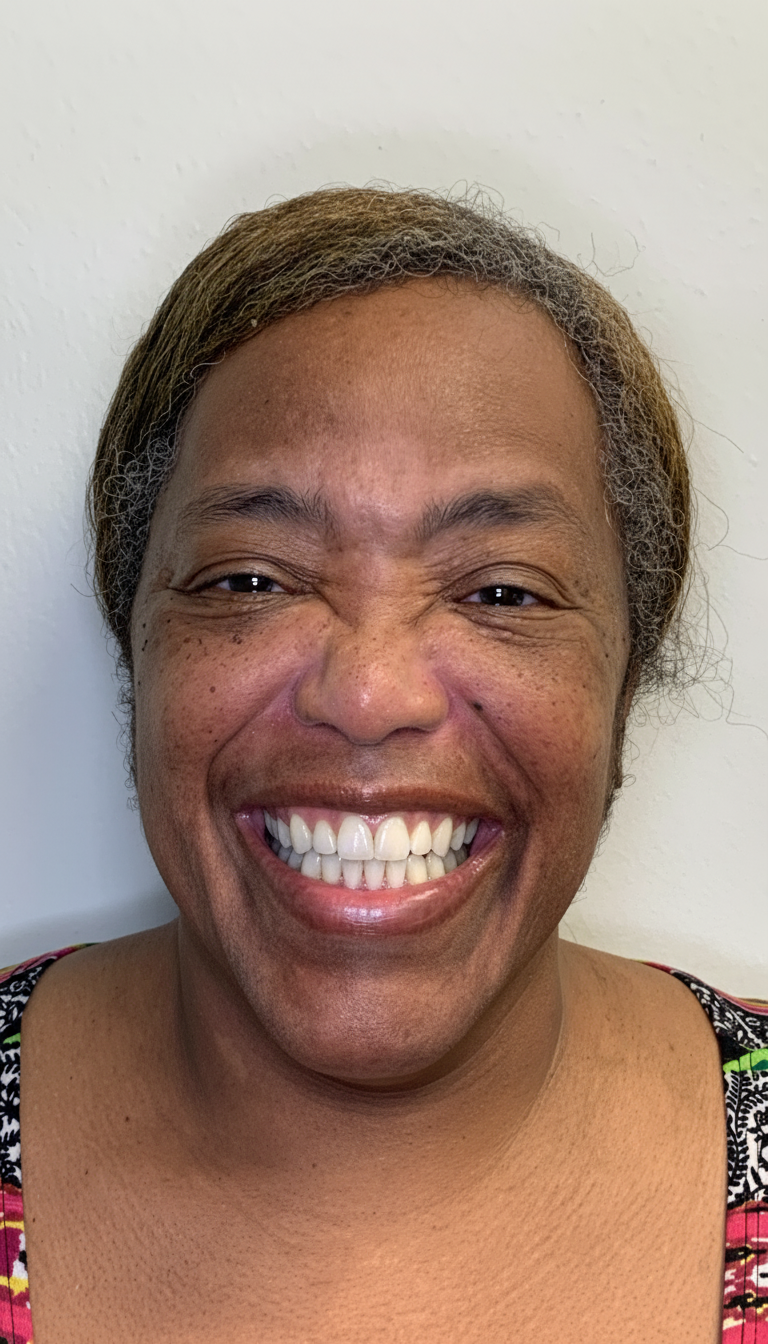
Dental Crowns at Grand Mission
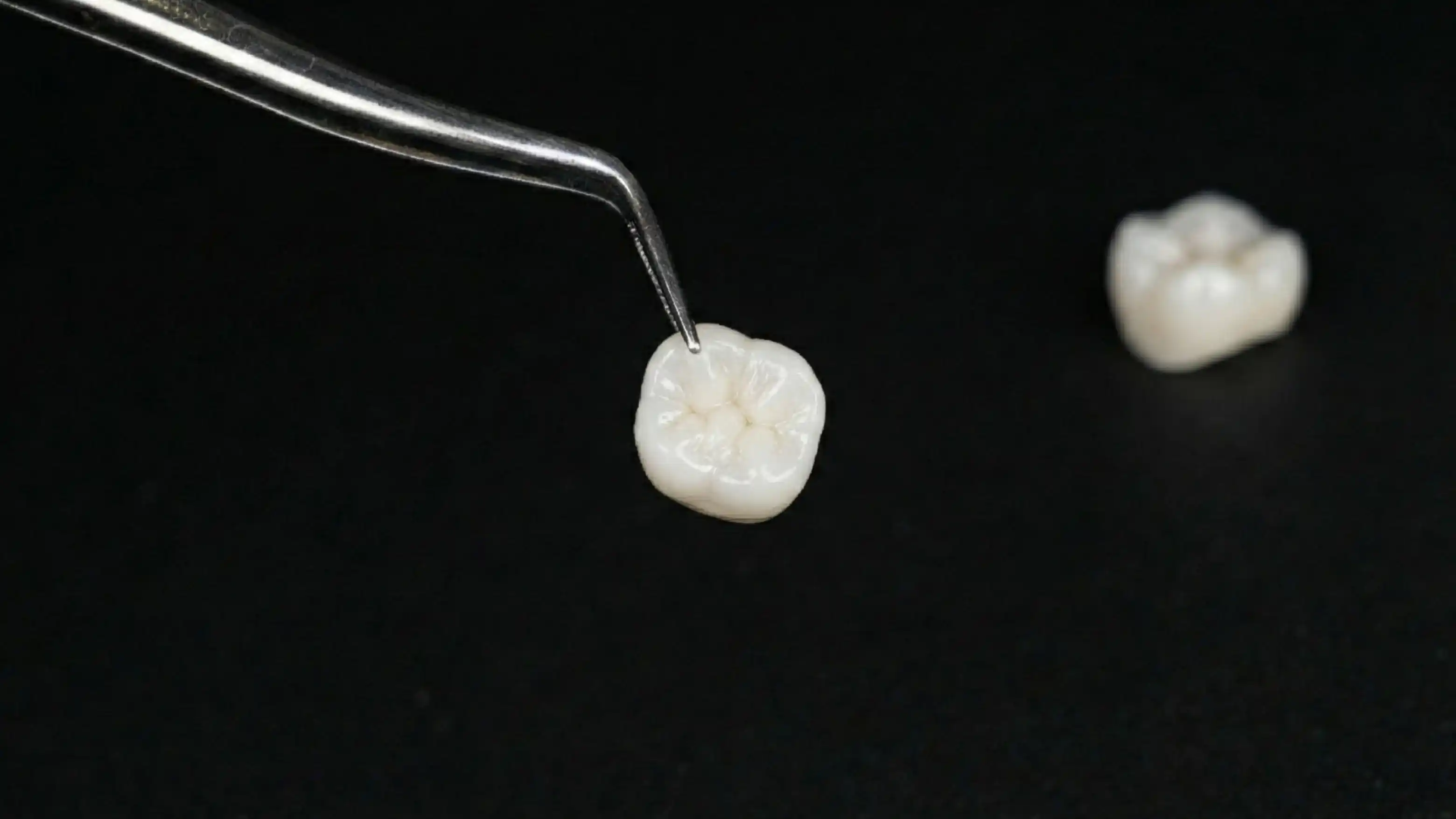
A dental crown is a custom-made cap that fits over a damaged, weakened, or heavily restored tooth to restore its full shape, strength, and appearance. Crowns are one of the most versatile restorations in dentistry. They protect teeth after root canals, hold cracked teeth together before they fracture completely, cover implants, anchor dental bridges, and restore teeth that are too damaged for a filling alone. At Grand Mission, Dr. William Sung designs and places crowns in house using high-quality porcelain and zirconia materials matched precisely to your surrounding teeth.
When Is a Dental Crown Needed?
Crowns are recommended when a tooth is too damaged or compromised for a filling alone to reliably restore it.
Cracked or Fractured Tooth
A crack that has not yet reached the root can often be saved with a crown. The crown holds the tooth together, prevents the crack from spreading, and eliminates the sharp pain on biting that cracked teeth typically cause. Time matters here. The longer a crack goes untreated, the deeper it progresses.
Large Cavity or Failing Filling
When a cavity or old filling has compromised so much of the tooth structure that a new filling would not hold reliably, a crown restores the tooth to full function with a durable, long-lasting result.
After Root Canal Therapy
A tooth that has had a root canal loses moisture over time and becomes brittle. A crown placed after root canal therapy protects the treated tooth from fracture and gives it the strength to function normally for years.
Covering a Dental Implant
The visible portion of a dental implant restoration is a crown. It is custom designed to match your surrounding teeth in color, shape, and size so precisely that nobody can tell it from a natural tooth.
Anchoring a Dental Bridge
Traditional dental bridges use crowns placed on the teeth adjacent to the gap as anchors. The crown-supported bridge fills the space with a prosthetic tooth held firmly in place.
Severely Worn or Discolored Teeth
Teeth ground down by bruxism, erosion, or heavy wear can be restored to full height and natural appearance with crowns. Severely discolored teeth that do not respond to whitening can also be covered for a complete esthetic correction.
Types of Dental Crowns
The right crown material depends on the location of the tooth, your bite forces, and your esthetic priorities. Dr. Sung recommends the best option for your specific situation.
Zirconia
The strongest crown material available. Highly resistant to chipping and fracture. Now available in tooth-colored versions that match natural teeth closely. The preferred choice for back teeth and patients with heavy bite forces or grinding habits.
All-Ceramic Porcelain
The most natural-looking crown material. Excellent color matching and light transmission that closely mimics natural enamel. Best suited for front teeth where esthetics are the priority and bite forces are lower.
Porcelain Fused to Metal
A metal substructure with a porcelain outer layer. Combines the strength of metal with the appearance of porcelain. A long-established and reliable option, though the metal margin can become visible at the gum line over time.
Full Metal
Gold or metal alloy crowns are the most durable option and require the least removal of natural tooth structure. Preferred for back molars in patients who prioritize longevity over appearance, and for patients with very heavy bite forces.
Dental Crowns for Front Teeth
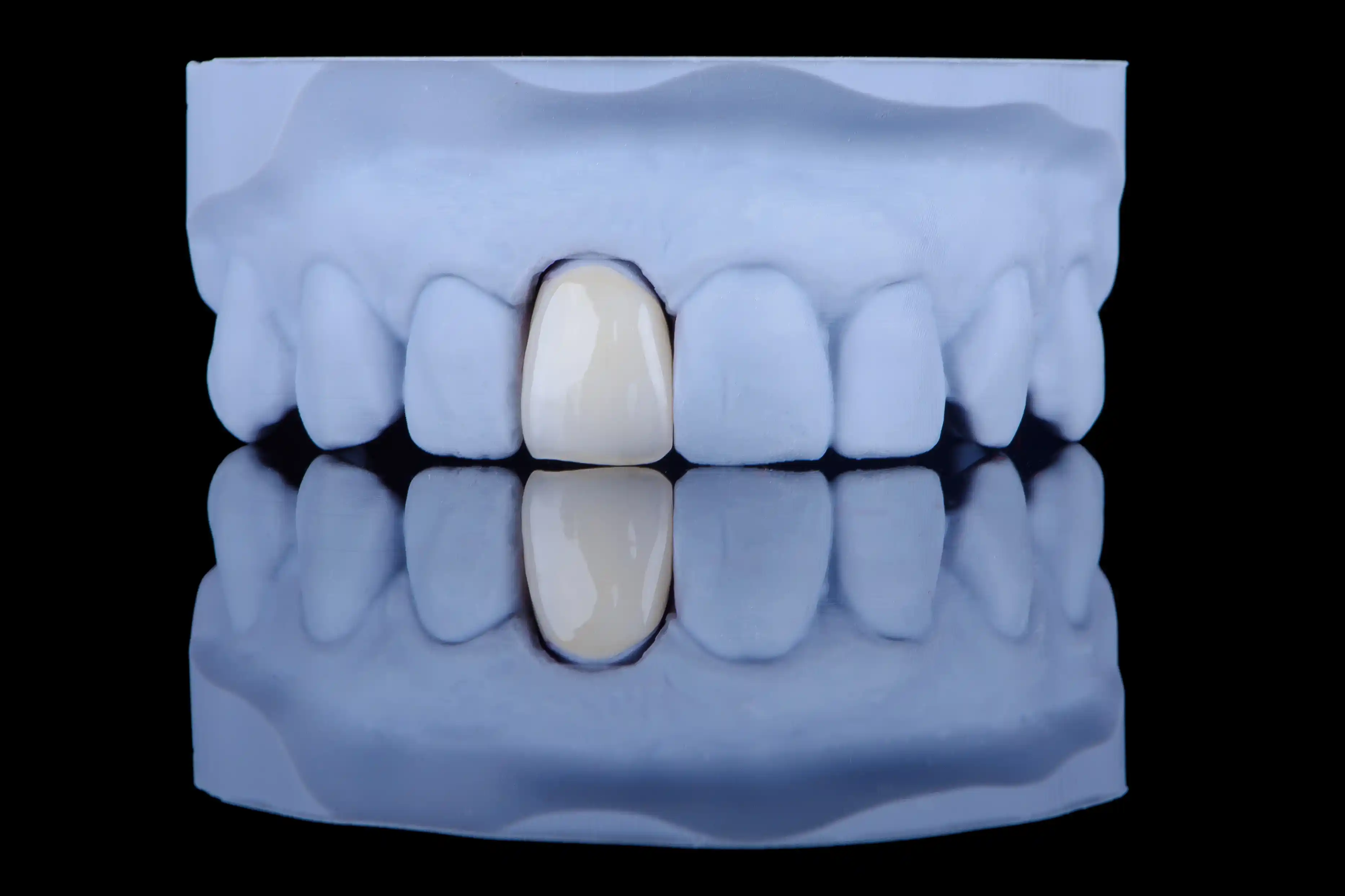
Front tooth crowns require a higher standard of esthetic precision than back tooth crowns. They are visible in conversation and in photos, and a crown that does not match perfectly draws attention for the wrong reasons. At Grand Mission, front tooth crowns are fabricated from all-ceramic or high-translucency zirconia materials that are shade-matched to your surrounding teeth under natural lighting. Dr. Sung evaluates the color, shape, length, and surface texture of your adjacent teeth before a single shade is selected to ensure the crown disappears into your smile naturally.
Are There Alternatives to a Crown?
Not every damaged tooth needs a crown. In some situations, a more conservative option may be appropriate. Dr. Sung evaluates whether a crown is truly necessary before recommending one.
Dental Filling
When a cavity or damage affects only a small portion of the tooth and the remaining structure is solid, a tooth-colored composite filling may be all that is needed. Fillings are faster, less expensive, and preserve more natural tooth structure.

Inlay or Onlay
An inlay fills a cavity within the cusps of a tooth. An onlay covers one or more cusps. Both are custom fabricated and more conservative than a full crown while providing greater strength than a filling. A good middle option when damage is moderate.

Dental Bonding
For minor chips, cracks, or cosmetic imperfections on front teeth, dental bonding applies tooth-colored resin directly to the tooth in a single visit without any tooth reduction. Appropriate for minor issues where strength requirements are low.
How Much Does a Dental Crown Cost in Texas?
| Crown Type | Estimated Cost Range | Notes |
|---|---|---|
| Porcelain or ceramic crown | $1,000 to $1,800 | Front teeth, esthetic priority |
| Zirconia crown | $1,200 to $2,000 | Back teeth, high strength |
| Porcelain fused to metal | $900 to $1,600 | Established option, versatile |
| Full metal crown | $800 to $1,400 | Highest durability, back molars |
The Crown Process at Grand Mission
Evaluation and Planning
Dr. Sung examines the tooth, takes X-rays to assess the root and surrounding bone, and determines whether a crown is the right treatment. If a root canal or buildup is needed first, that is planned and explained before any preparation begins.
Tooth Preparation
The tooth is shaped to accommodate the crown. A small, precise amount of outer tooth structure is removed on all surfaces to create the space the crown needs to fit correctly. A temporary crown is placed while your permanent crown is fabricated.
Impressions and Fabrication
Precise digital or physical impressions are taken to ensure your crown fits perfectly at every margin. The crown is custom fabricated in the selected material, shade-matched to your surrounding teeth under natural lighting.
Final Placement
Your permanent crown is fitted, checked for bite, and permanently cemented. Dr. Sung evaluates the fit, margins, and appearance from every angle before the appointment is complete. You leave with a fully restored tooth.
What Leaving a Cracked or Damaged Tooth Untreated Is Actually Costing You
A crack that can be saved today may not be saveable tomorrow. The window for conservative treatment closes as damage progresses.
Health Risk Sources

- Li F, Diao Y, Wang J, et al. "Diagnosis of cracked tooth: Clinical status and research progress." PMC (2022). https://pmc.ncbi.nlm.nih.gov/articles/PMC9678967/
- Hilton TJ, Funkhouser E, Ferracane JL, et al. "Symptom changes and crack progression in untreated cracked teeth: One-year findings from the National Dental Practice-Based Research Network." Journal of Dentistry vol. 93 (2020): 103269. https://pmc.ncbi.nlm.nih.gov/articles/PMC7255638/
- Valley Creek Dental Care. "What Are the Risks of Leaving a Cracked Tooth Untreated." January 2025. https://valleycreekdentalcare.com/blog/what-happens-if-you-dont-treat-a-cracked-tooth
- Banerji S, Mehta SB, Millar BJ. "Cracked tooth syndrome. Part 2: restorative options for the management of cracked tooth syndrome." British Dental Journal vol. 208,11 (2010): 503-514. doi:10.1038/sj.bdj.2010.503. https://pubmed.ncbi.nlm.nih.gov/20543791/
.jpg)
.jpg)
.webp)
.webp)
.webp)
why patients choose grand mission dentistry for Dental Crowns

High-Quality Materials That Look Natural
Grand Mission uses porcelain, all-ceramic, and zirconia crown materials chosen for both durability and natural appearance. Every crown is custom fabricated and shade-matched to your surrounding teeth so precisely that nobody can tell which tooth was restored.

Conservative Treatment Philosophy
Dr. Sung recommends crowns when the clinical evidence supports them and recommends more conservative options when they do not. If a filling, onlay, or bonding can reliably restore your tooth, that is what he recommends. Crowns are placed when they are the right call, not as a default.

Everything Under One Roof
Crowns, root canals, buildups, implant crowns, and bridge crowns are all available at Grand Mission. If your tooth needs preparation before crown placement, it is handled in house with no referrals needed.

Dr. William Sung DMD

Dr. Tam Nguyen DMD
.webp)
Dr. Van Nguyen DDS
Flexible Financing for Every Budget

We accept most major PPO dental insurance plans and welcome HSA and FSA payments. For costs beyond coverage, flexible financing through Cherry offers 0% APR options for qualified patients, making it easy to break treatment into manageable monthly payments.

New Patient Special!
Starting at
$189
get
Comprehensive exam
X-Rays
Cleaning
Full Treatment Plan
(Cannot be combined with insurance, new patients only, not valid in cases of periodontal disease.)
.webp)
FREE Second Opinion
Special Price
FREE
get
No cost, no pressure — get an honest evaluation without feeling rushed or sold to
Clear answers you can trust — we review your diagnosis, options, and next steps
Confidence before treatment — make informed decisions about your dental health
Frequently Asked Questions About dental crown
What is a crown on a tooth?
A dental crown is a custom-made cap that covers the entire visible portion of a tooth above the gum line. It restores the tooth's shape, size, strength, and appearance. Once cemented in place, the crown functions exactly like the natural tooth it covers.
How long does a dental crown last?
Most crowns last 10 to 15 years with proper care. Zirconia and metal crowns tend to last longer than porcelain options. Regular professional cleanings, avoiding grinding without a nightguard, and maintaining good oral hygiene all significantly extend crown lifespan.
Does getting a crown hurt?
Crown preparation is performed under local anesthesia. Most patients experience mild sensitivity for a few days after preparation. The final placement appointment is straightforward and comfortable.
How many visits does getting a crown take?
Most crowns require two visits. The first prepares the tooth, takes impressions, and places a temporary crown. The second cements the permanent crown. The visits are typically two to three weeks apart.
What are the alternatives to a crown?
Depending on the extent of damage, a filling, inlay, onlay, or dental bonding may be appropriate alternatives for less severely compromised teeth. Dr. Sung evaluates whether a more conservative option can reliably restore your tooth before recommending a crown.
How much does a dental crown cost in Texas?
Most crowns in Texas range from $900 to $2,000 depending on material and location. Many insurance plans cover a portion. Our team verifies your benefits before your appointment.
Can a crowned tooth get a cavity?
The crown itself cannot decay, but the tooth structure beneath the crown can. Bacteria accumulating at the margin where the crown meets the gum line can cause decay in the underlying tooth. Regular brushing, flossing, and professional cleanings protect this area.


Related Services
.webp)
Root Canal Therapy
Teeth that need a root canal almost always need a crown placed afterward to protect the treated tooth from fracture. Root canal and crown placement is one of the most common treatment sequences at Grand Mission.
Learn More about Root Canal Therapy
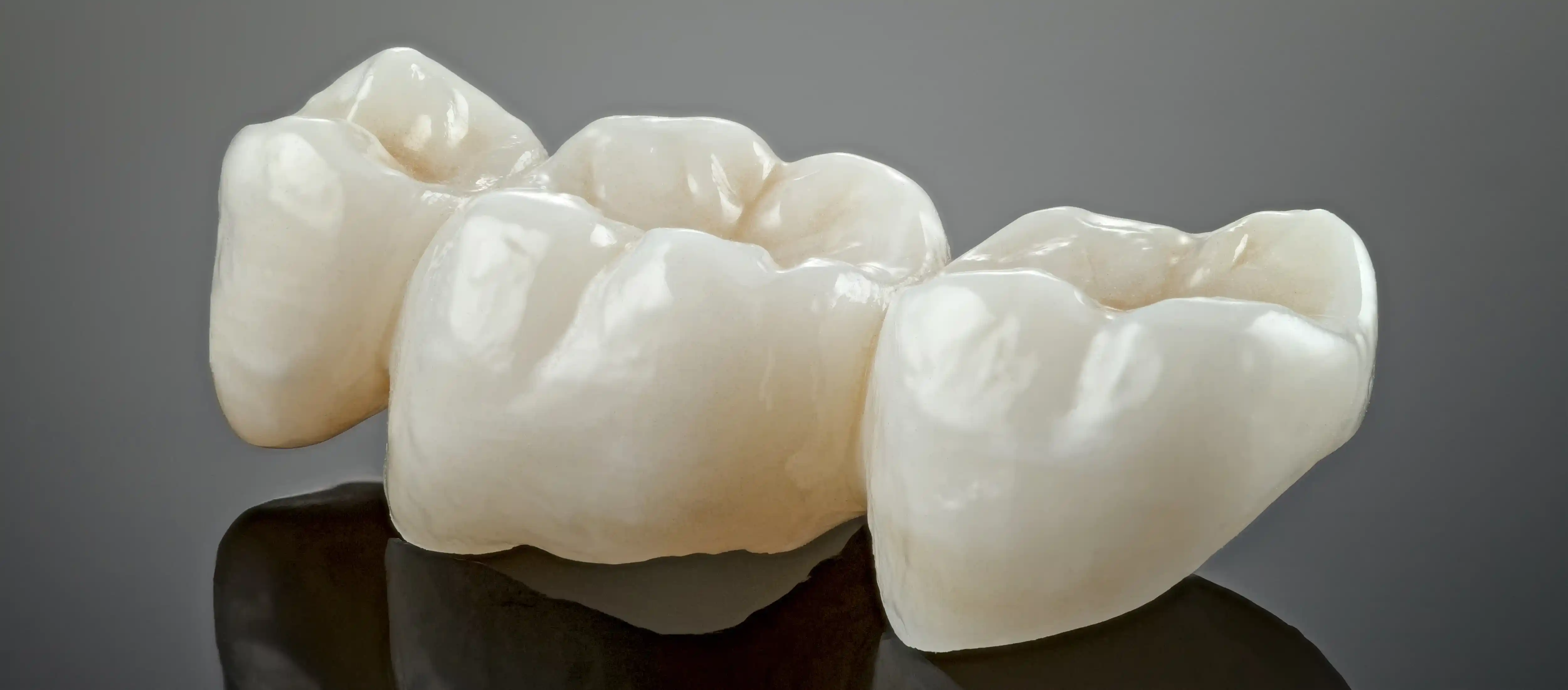
Dental Bridges
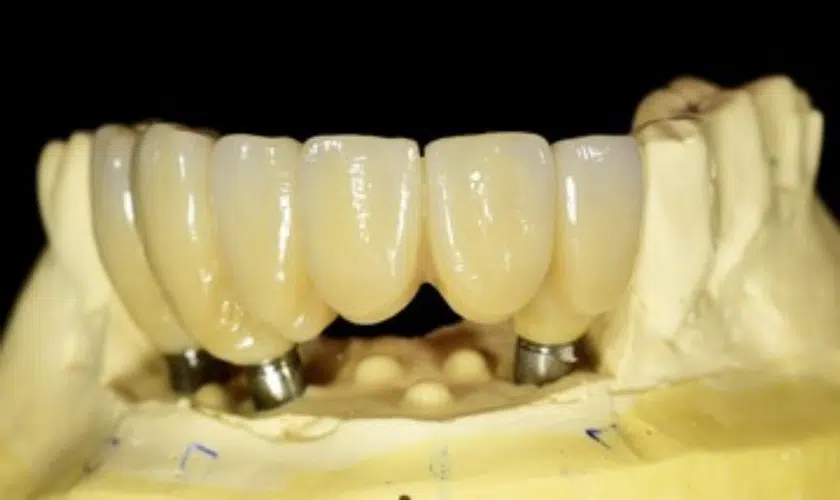
Traditional dental bridges are anchored by crowns on the teeth adjacent to the gap. A crown placed on a healthy tooth is the foundation that holds the bridge securely in place.
Learn More about Dental Bridges

Full Mouth Restoration
for patients with multiple damaged or compromised teeth, crowns are often a central component of a comprehensive full mouth restoration plan.
Learn More about Full Mouth Restoration
Your confident smile
Is our guide
Schedule your appointment today
A cracked or damaged tooth that can be saved today may not be saveable next month. Dr. Sung is ready to evaluate your specific tooth, tell you honestly whether a crown is the right call, and if it is, restore it with precision and care that lasts.