
.webp)
Dental Bridges in Richmond, TX
Custom Fixed Tooth Replacement by Dr. William Sung DMD
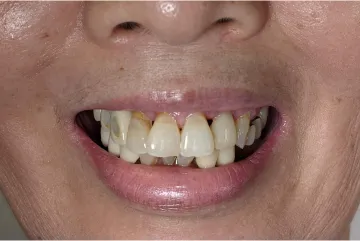

Before
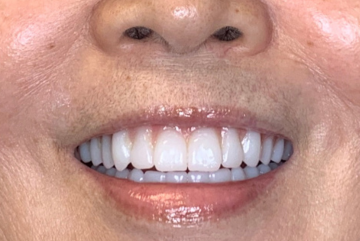
After
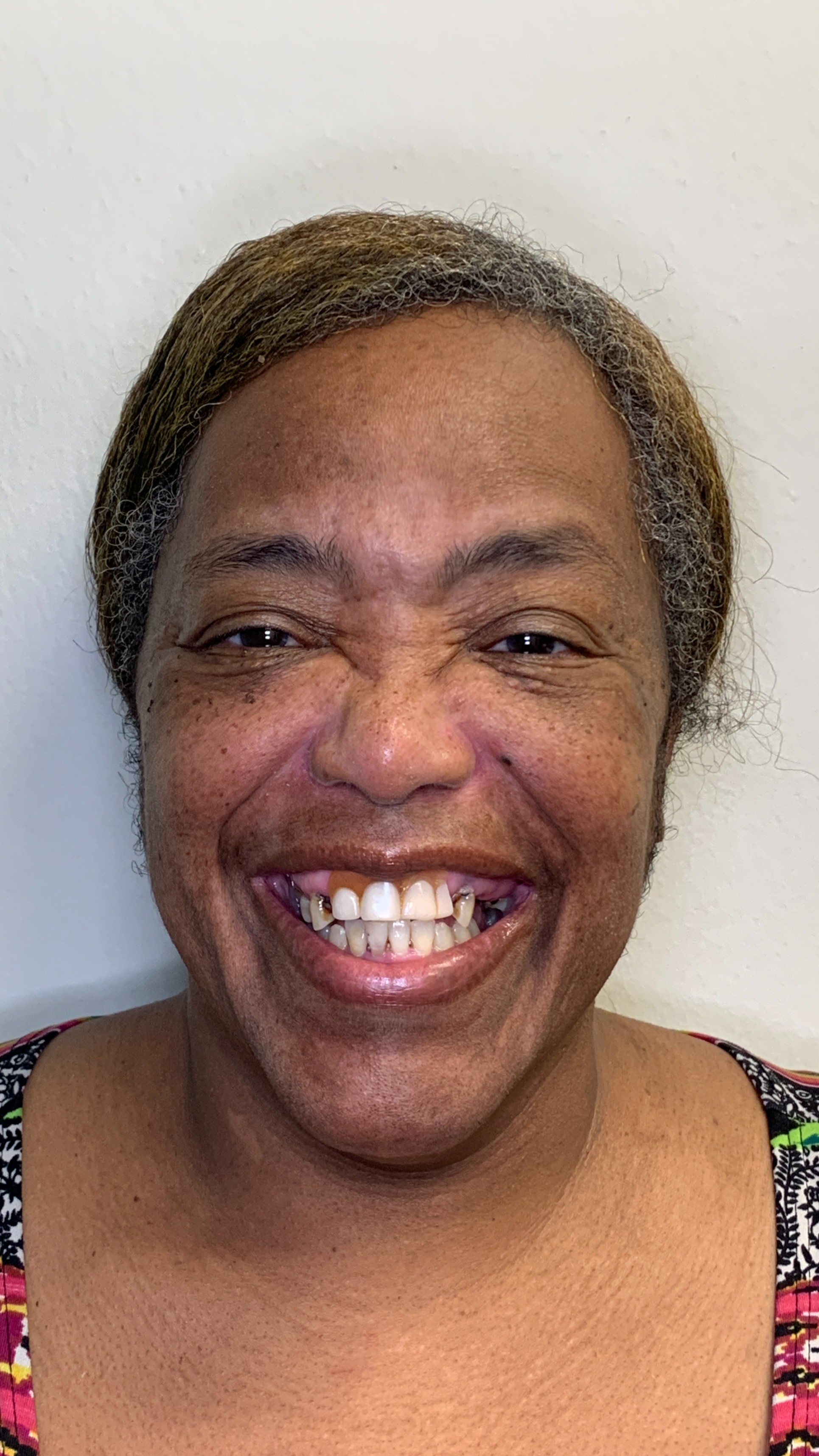
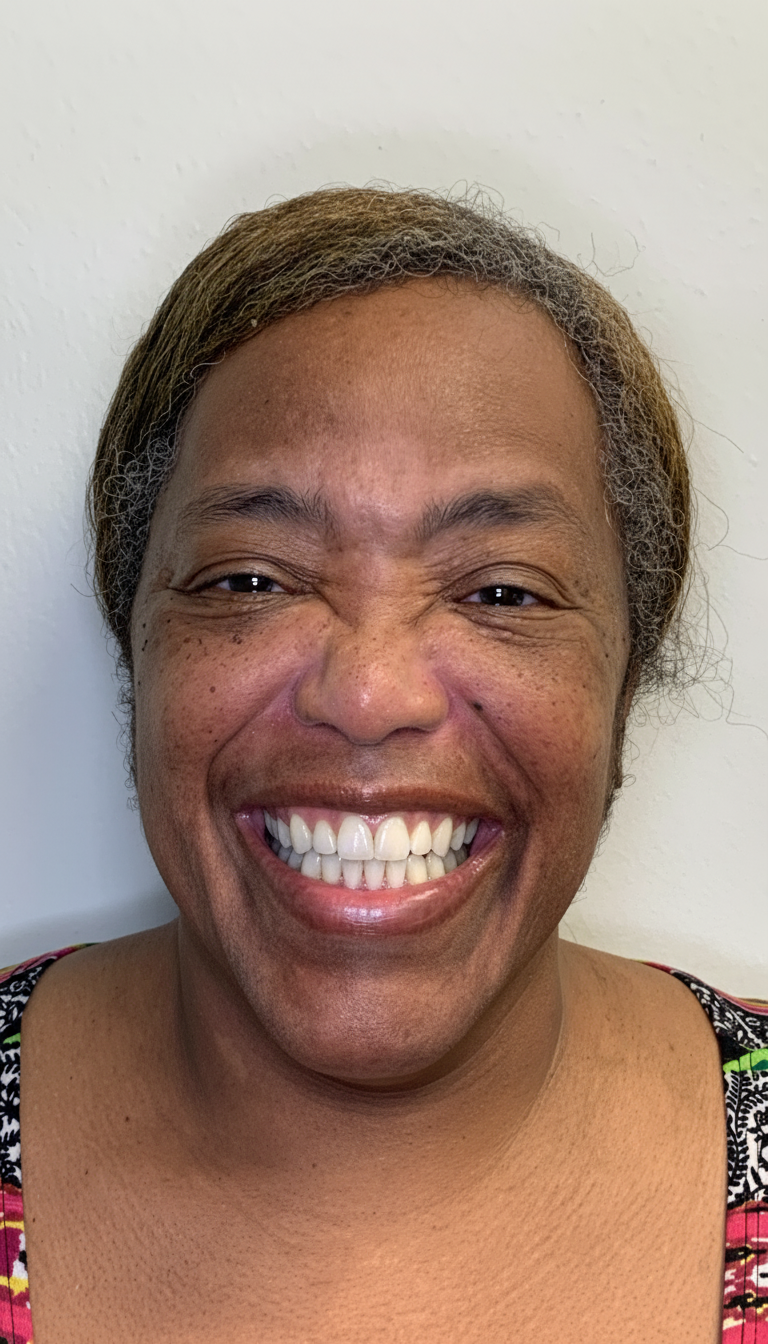
Dental Bridges at Grand Mission
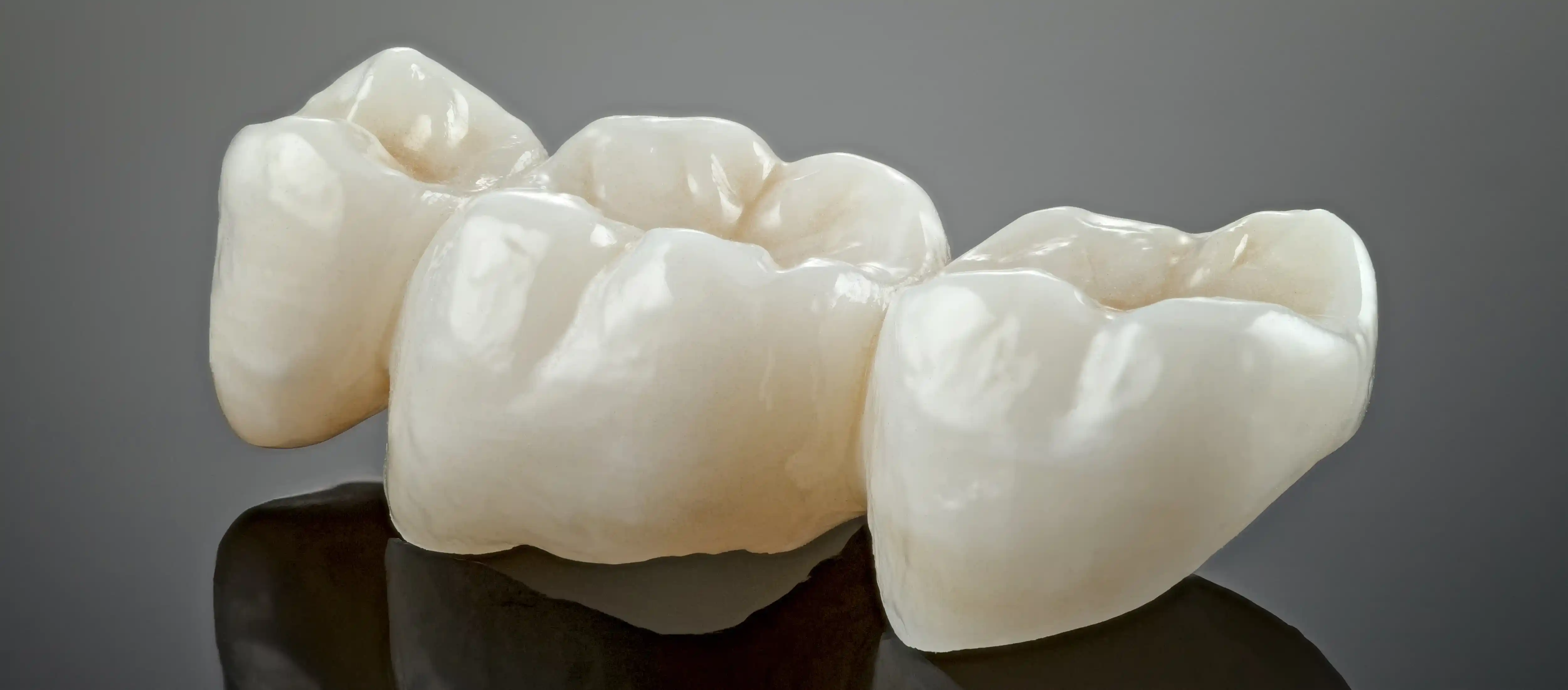
A dental bridge fills the gap left by one or more missing teeth using crowns on the teeth or implants on either side to anchor a custom prosthetic tooth in between. The result is a fixed, natural-looking restoration that restores your bite, prevents neighboring teeth from shifting, and closes the gap permanently. At Grand Mission, Dr. William Sung designs and places traditional tooth-supported bridges and implant-supported bridges in house, using high-quality porcelain and ceramic materials matched precisely to your surrounding teeth.
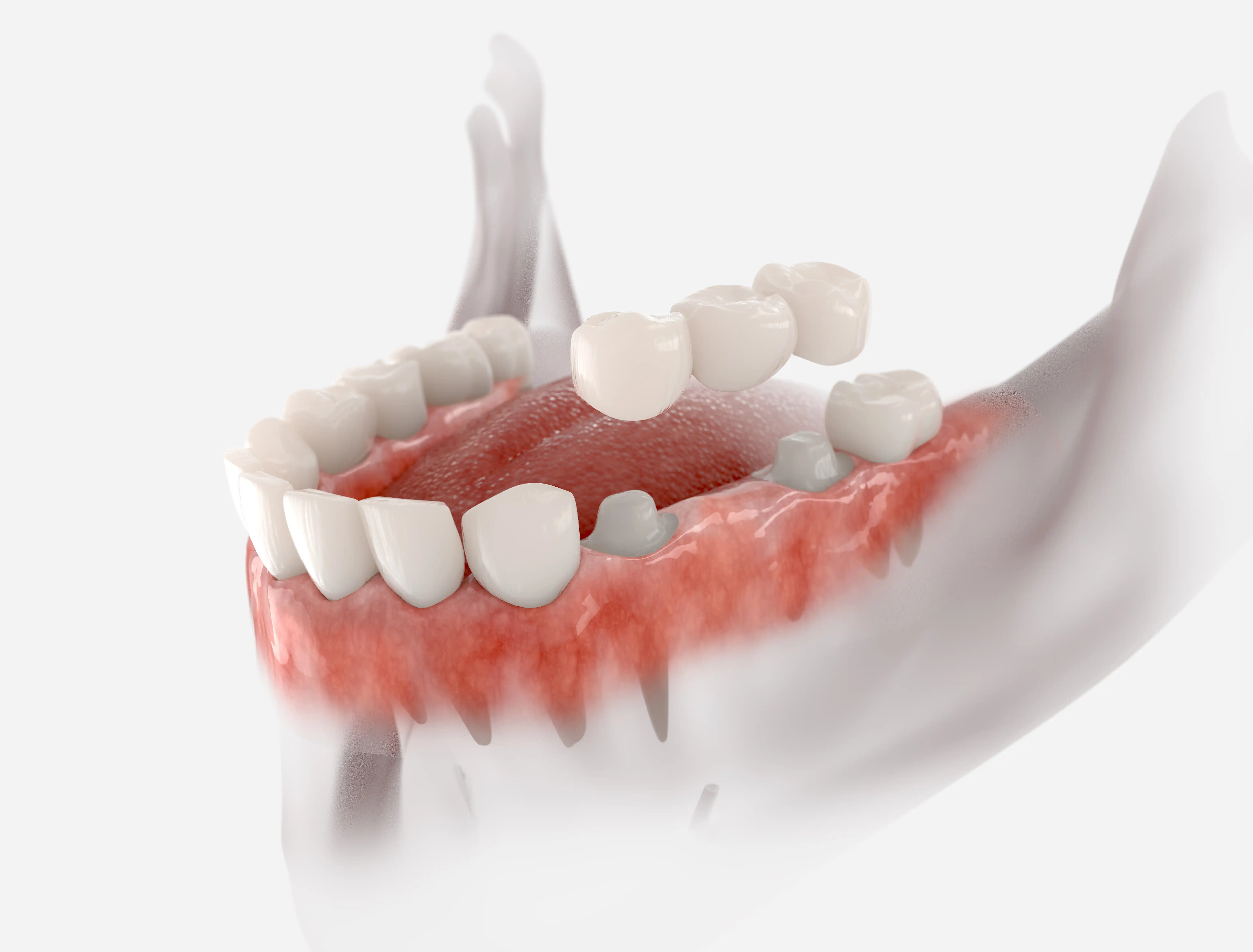
Types of Dental Bridges
Traditional Bridge
The most common type. Two dental crowns are placed on the healthy teeth on either side of the gap, anchoring a custom prosthetic tooth in between. Fixed, durable, and no surgery required.
Implant-Supported Bridge
Two dental implants anchor the bridge directly in the jawbone. No neighboring teeth are touched or filed down. The most bone-preserving and longest-lasting bridge option available.
Cantilever Bridge
Supported by a crown on one adjacent tooth only. Used in specific situations where only one neighboring tooth is available. Best suited for lower bite-force areas of the mouth.
Maryland Bridge
A conservative option that bonds to the back surfaces of neighboring teeth without filing them down. Most appropriate for front teeth where bite forces are minimal and esthetics are the priority.
How Much Does a Dental Bridge Cost in Texas?
| Bridge Type | Estimated Cost Range | Notes |
|---|---|---|
| Traditional 3-unit bridge | $2,500 to $5,000 | Most common, two crowns plus one pontic |
| Traditional 4-unit bridge | $3,500 to $6,500 | Replaces two consecutive teeth |
| Maryland bridge | $1,000 to $2,500 | Front teeth, minimal prep |
| Implant-supported bridge | $5,500 to $9,000 | See implant bridge page for full detail |
Are You a Candidate for a Dental Bridge?
You May Be a Strong Candidate If You:
Are missing one or more consecutive teeth
Have healthy teeth on either side of the gap suitable as abutment teeth
Prefer a non-surgical tooth replacement option
Want a fixed, permanent solution rather than a removable partial denture
An Implant Bridge May Be Better If You:
Want to preserve your healthy neighboring teeth completely untouched
Are missing multiple consecutive teeth and want the most durable long-term solution
Have or are concerned about jawbone loss at the gap site
Are willing to undergo implant placement for a longer-lasting result
Traditional Bridge vs Implant Bridge vs Single Implant
| Traditional Bridge | Implant-Supported Bridge | Single Implant Per Tooth | |
|---|---|---|---|
| Adjacent Teeth Filed Down | ❌ Yes, both sides | ✅ No | ✅ No |
| Bone Preservation | ❌ Bone loss continues | ✅ Implants preserve bone | ✅ Implants preserve bone |
| Lifespan | ⚠️ 10 to 15 years average | ✅ Decades | ✅ Decades |
| Surgery Required | ✅ No | ⚠️ Yes | ⚠️ Yes |
| Cost Upfront | ✅ Lower | ⚠️ Higher | ❌ Highest for multiple teeth |
| Long-Term Cost | ⚠️ Replacement costs add up | ✅ Most cost-effective | ✅ Cost-effective per tooth |
| Best For | ✅ Budget-focused, non-surgical preference | ✅ Multiple consecutive teeth | ✅ Single or non-consecutive teeth |
The Dental Bridge Process at Grand Mission
Consultation and Treatment Planning
Dr. Sung evaluates the health of the teeth adjacent to the gap, assesses bone levels, and recommends the right bridge type for your specific situation. X-rays and digital imaging guide the planning.
Preparation of Abutment Teeth
For a traditional bridge, the teeth on either side of the gap are shaped to accommodate the crowns. For an implant bridge, implants are placed first. A temporary bridge is provided while your permanent bridge is fabricated.
Impressions and Fabrication
Precise digital or physical impressions ensure your bridge fits perfectly. The bridge is custom fabricated in porcelain or ceramic to match the color, shape, and size of your surrounding teeth.
Fitting and Placement
Your permanent bridge is fitted, adjusted for bite, and cemented in place. Dr. Sung checks your bite from every angle before the appointment is complete. You leave with a fully functional, natural-looking result.
What Leaving a Gap or Delaying Bridge Treatment Is Actually Costing You
A missing tooth is never a stable situation. The longer it is left untreated, the more the surrounding structure changes around it.
Health Risk Sources

- NCBI Bookshelf. "Dental Bridges for Partial Tooth Loss." Canadian Journal of Health Technologies (2023). https://www.ncbi.nlm.nih.gov/books/NBK596304/
- Mohammadi A, et al. "Technical complications with tooth-supported fixed dental prostheses of different span lengths: an up to 15-year retrospective study." BMC Oral Health vol. 23 (2023): 388. doi:10.1186/s12903-023-03121-9. https://pubmed.ncbi.nlm.nih.gov/37316922/
- Foster LV. "Failed conventional bridge work from general dental practice: clinical aspects and treatment needs of 142 cases." British Dental Journal vol. 168,5 (1990): 199-201. doi:10.1038/sj.bdj.4807133. https://pubmed.ncbi.nlm.nih.gov/1762021/
- Pol CWP, et al. "A systematic review and meta-analysis of 3-unit fixed dental prostheses: Are the results of 2 abutment implants comparable to the results of 2 abutment teeth?" Journal of Oral Rehabilitation vol. 45,2 (2018): 147-160. doi:10.1111/jor.12590. https://pubmed.ncbi.nlm.nih.gov/28940725/
.jpg)
.jpg)
.webp)
.webp)
.webp)
why patients choose grand mission dentistry for Dental Bridges

High-Quality Materials That Last
Grand Mission uses porcelain, ceramic, and zirconia bridge materials chosen for both durability and natural appearance. Your bridge is custom crafted to match the shape, color, and size of your surrounding teeth so precisely that nobody can tell which tooth was replaced.
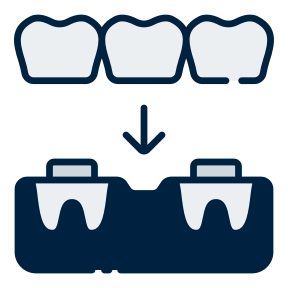
Both Traditional and Implant Bridges Available
Whether you prefer a non-surgical traditional bridge or a bone-preserving implant-supported bridge, both options are available at Grand Mission. Dr. Sung walks you through the honest comparison at your consultation and recommends what is right for your specific situation.

Everything Under One Roof
Traditional bridges, implant bridges, preparatory bone grafting, and periodontal treatment are all available at Grand Mission. If your case requires preparation before bridge placement, it is handled in house with no referrals needed.

Dr. William Sung DMD

Dr. Tam Nguyen DMD
.webp)
Dr. Van Nguyen DDS
Flexible Financing for Every Budget
We accept most major PPO dental insurance plans and welcome HSA and FSA payments. For costs beyond coverage, flexible financing through Cherry offers 0% APR options for qualified patients, making it easy to break treatment into manageable monthly payments.

New Patient Special!
Starting at
$189
get
Comprehensive exam
X-Rays
Cleaning
Full Treatment Plan
(Cannot be combined with insurance, new patients only, not valid in cases of periodontal disease.)
.webp)
FREE Second Opinion
Special Price
FREE
get
No cost, no pressure — get an honest evaluation without feeling rushed or sold to
Clear answers you can trust — we review your diagnosis, options, and next steps
Confidence before treatment — make informed decisions about your dental health
Frequently Asked Questions About dental bridge
How long does a dental bridge last?
Traditional bridges have an estimated 10-year success rate of 81 to 89% based on systematic review data. With high-quality materials and excellent oral hygiene, many bridges last 15 years or more. Implant-supported bridges last significantly longer due to their bone-preserving design and independence from natural tooth abutments.
How do I clean a dental bridge?
rush twice daily as normal and use a floss threader or water flosser to clean underneath the pontic and around the margins where the crowns meet the gums. This area is the most vulnerable to plaque accumulation and is where most bridge failures begin.
how many visits does getting a bridge take?
Most traditional bridges require two to three appointments over two to four weeks. The first appointment prepares the abutment teeth and takes impressions. A temporary bridge is placed. The second appointment fits and cements the permanent bridge.
What is the difference between a bridge and an implant?
A bridge uses your existing teeth or implants as anchors and does not involve surgery for a traditional design. An implant replaces the missing tooth root directly in the bone. For a single missing tooth, implants are generally the preferred long-term option when surgery is acceptable. For patients who prefer to avoid surgery, a traditional bridge is a well-established alternative.
Can a bridge be replaced with an implant later?
Often yes. When a traditional bridge eventually needs replacement, transitioning to an implant-supported bridge is a common and well-planned option. Dr. Sung can map out the long-term plan at your initial consultation.
How much does a dental bridge cost in Texas?
Most three-unit traditional bridges in Texas range from $2,500 to $5,000. Implant-supported bridges range higher.


Related Services
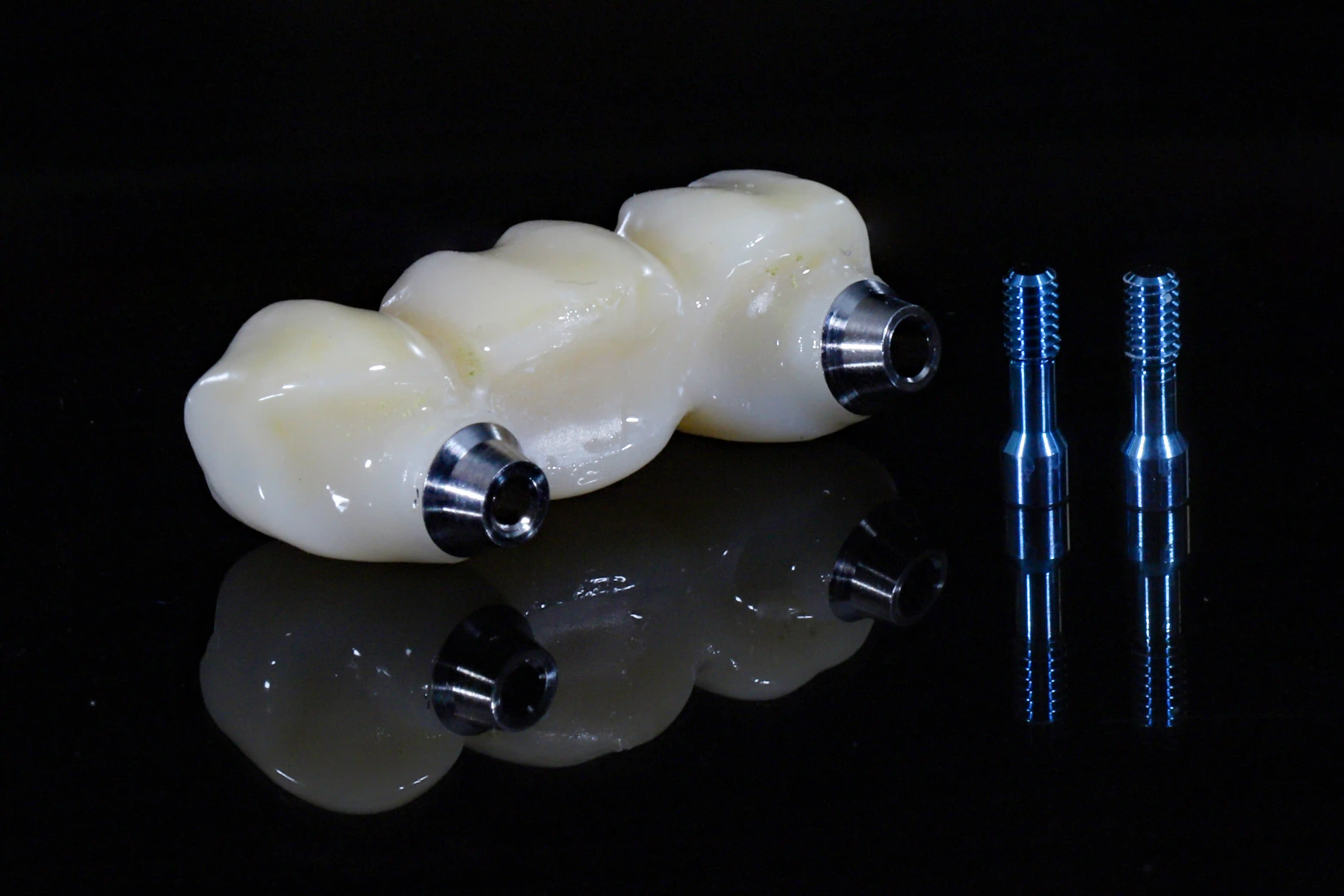
Implant-Supported Bridges
Want a bridge that does not touch your healthy neighboring teeth? An implant-supported bridge anchors directly into the bone, preserving your adjacent teeth completely.
Learn More about Implant-Supported Bridges
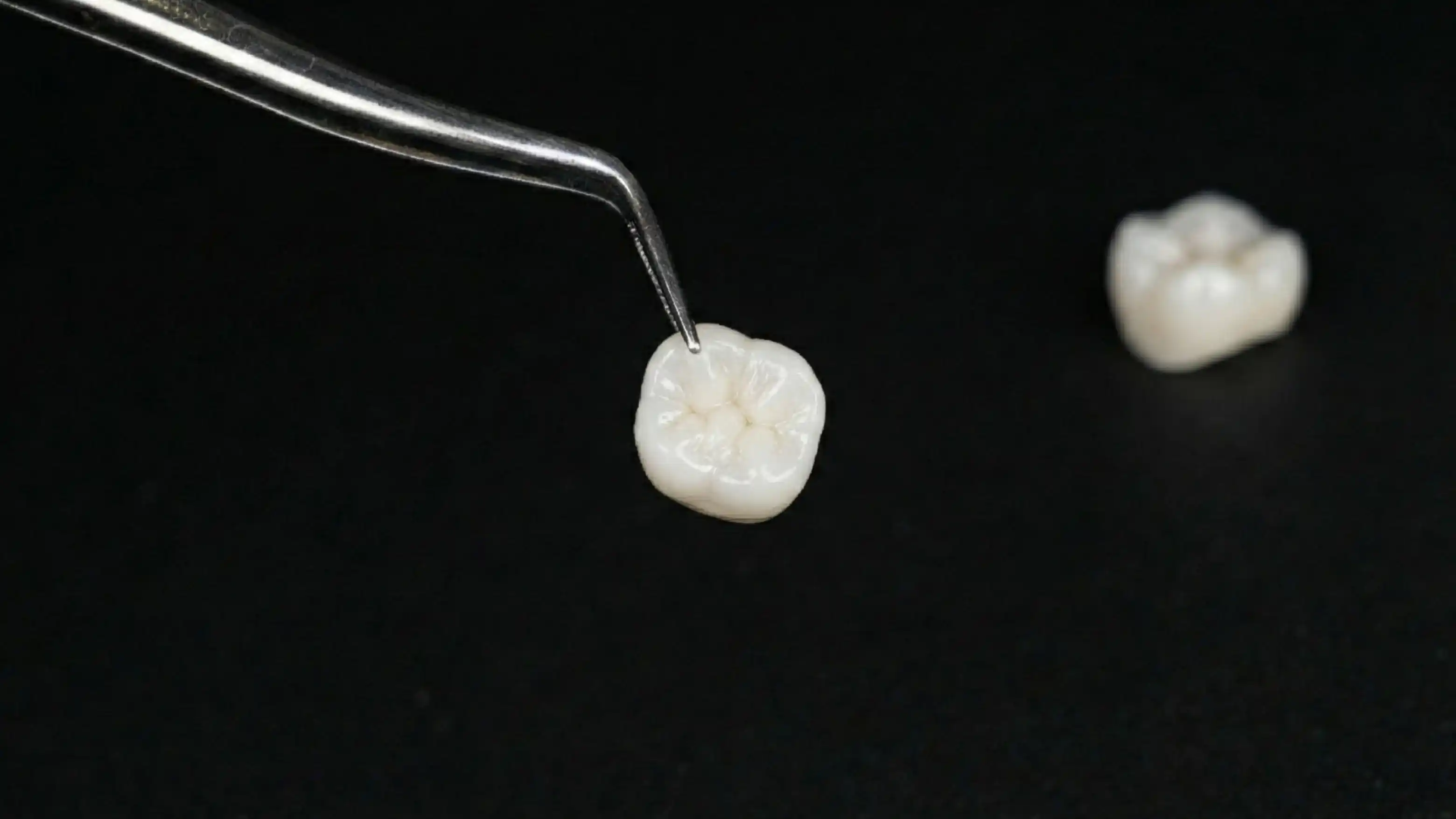
Dental Crowns
A dental bridge is built on dental crowns. If you have a damaged tooth that can be saved, a crown alone may be the right answer before a bridge is needed.
Learn More about Dental Crowns

Bone Grafting
For implant-supported bridges where bone loss has occurred, bone grafting prepares the site for implant placement before the bridge can be anchored.
Learn More about Bone Grafting
Your confident smile
Is our guide
Schedule your appointment today
A missing tooth changes more than your smile. It changes how you eat, how your remaining teeth align, and over time, the very structure of your jaw. Dr. Sung is ready to walk you through every option, from a traditional bridge to an implant-supported solution, and help you choose the path that fits your situation, your timeline, and your budget.