
.webp)
Socket Preservation After Tooth Extraction in Richmond, TX
Protect Your Jawbone and Keep Your Implant Options Open with Dr. William Sung DMD
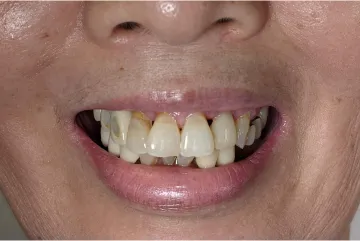
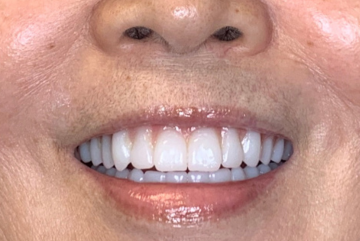

Before
After
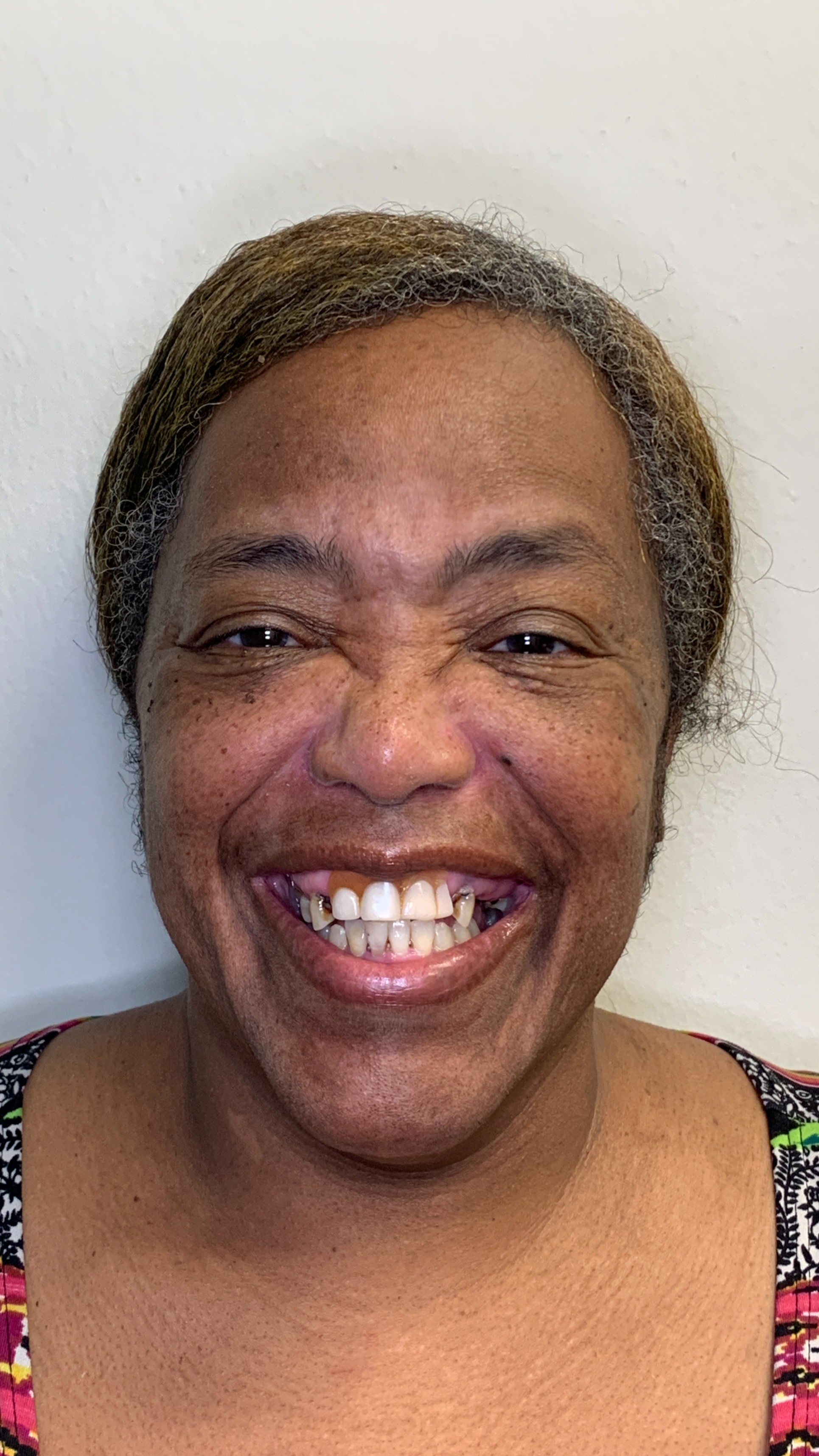
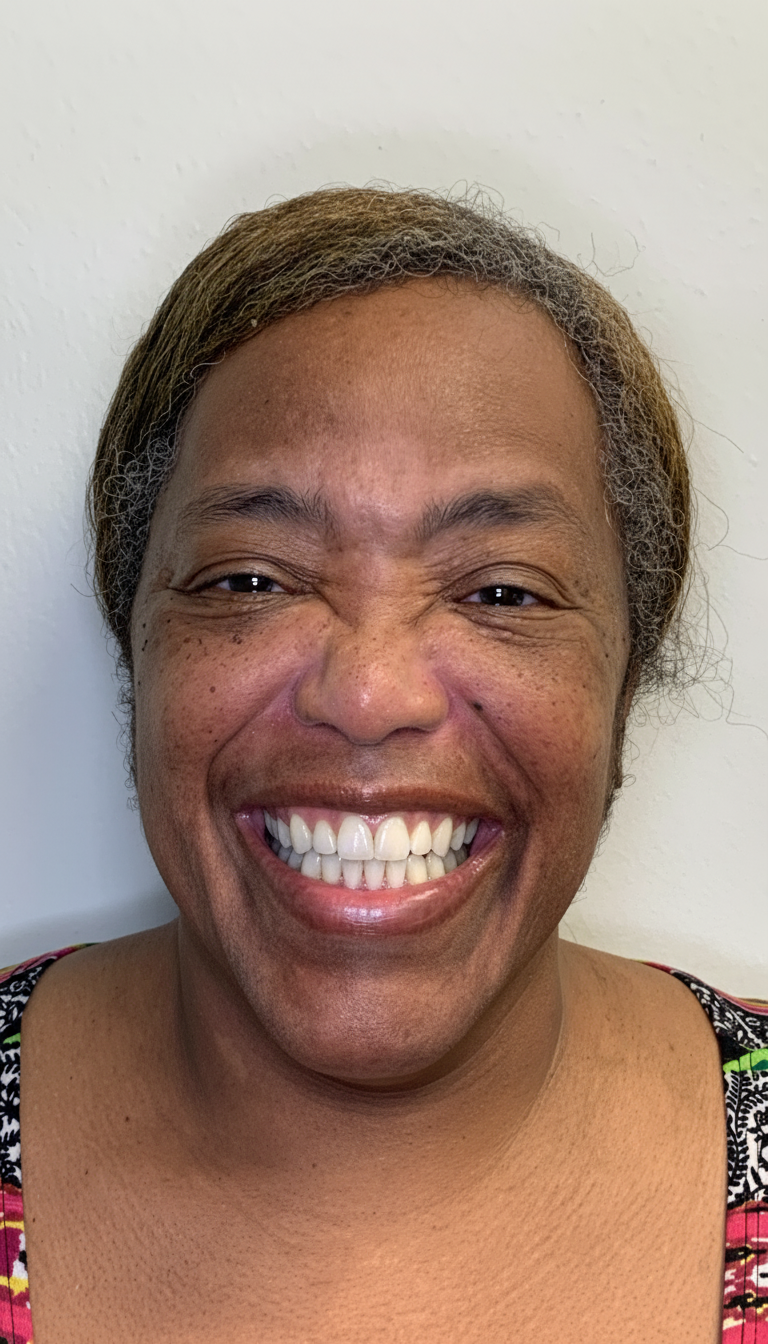
Socket Preservation at Grand Mission
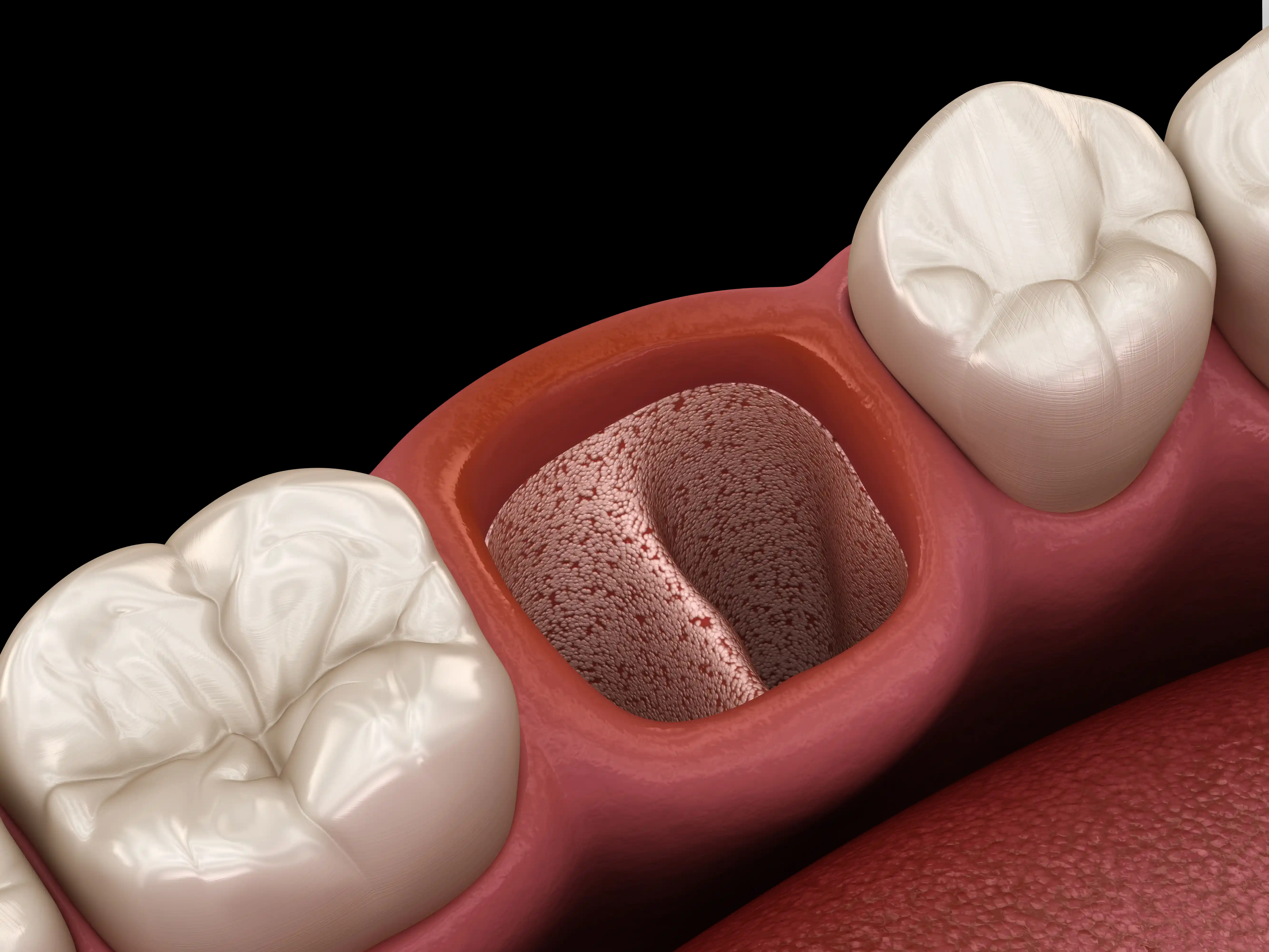
When a tooth is extracted, the bone that supported it begins to shrink almost immediately. Within the first three months, up to 66% of total bone resorption occurs, and bone width can decrease by up to 50% within the first year. Socket preservation is a bone grafting procedure performed at the time of extraction, before the bone has a chance to collapse, to maintain the ridge dimensions needed for future dental implants or other restorations. It takes only a few minutes to perform at the same appointment as the extraction and can save months of additional treatment later. Dr. William Sung performs socket preservation at Grand Mission whenever a tooth is extracted and implant or restorative treatment is part of the future plan.
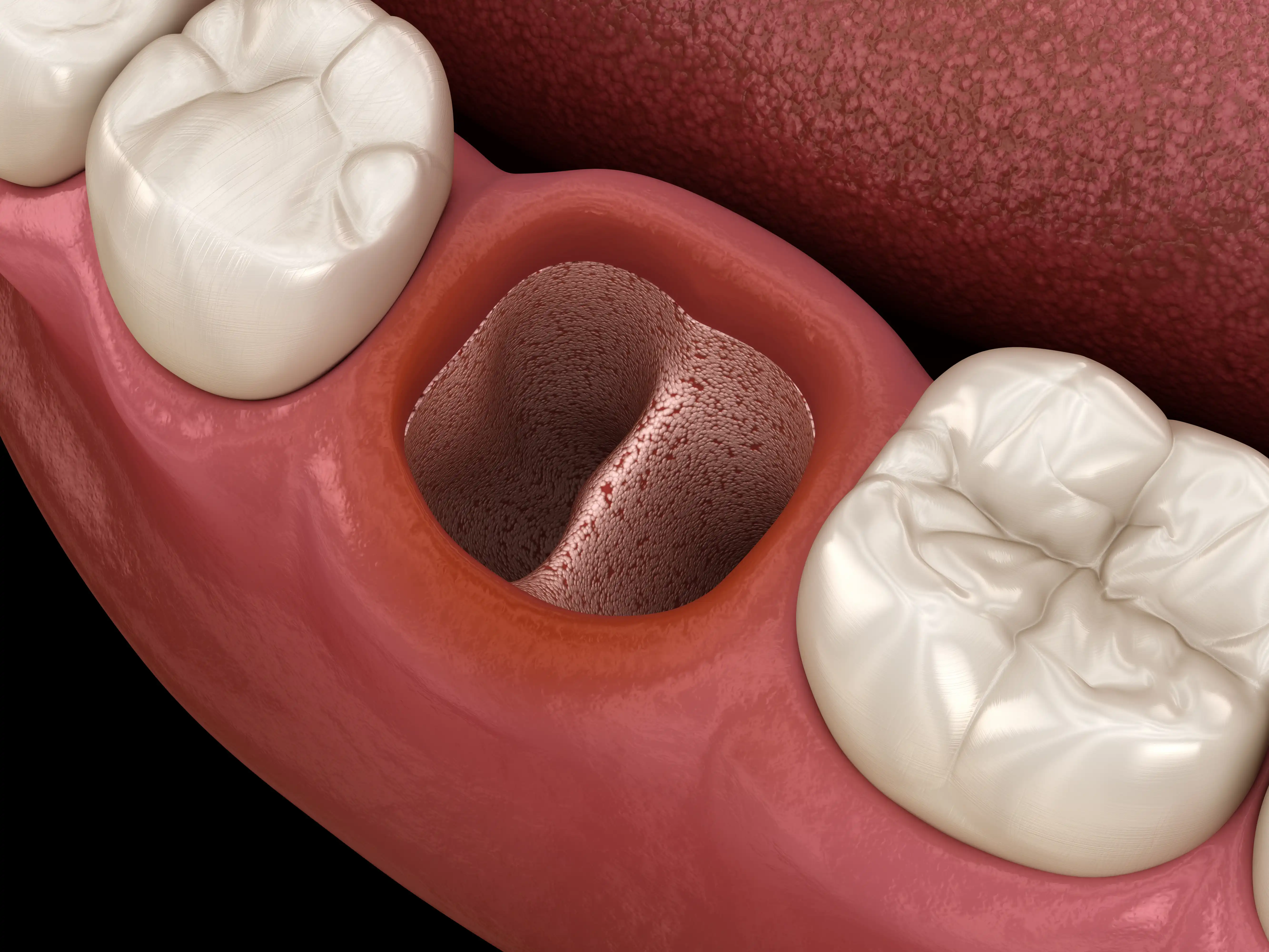
What Happens When a Socket Is Left Ungrafted
Bone resorption after extraction is not gradual and even. It is rapid, front-loaded, and permanent without intervention.
Immediately after extraction
The blood clot that forms in the socket is the only protection the bone has. Without a graft, the socket walls begin to lose stimulation and the resorption process starts within days.
First three months
Approximately 66% of total post-extraction bone resorption occurs within the first three months. Horizontal bone width decreases measurably during this period as the outer socket wall, which is thin cortical bone, resorbs faster than the inner wall.
Six to twelve months
Total bone width loss can reach up to 50% by one year. The ridge narrows and flattens. Implant placement in this compromised site now requires additional bone grafting, longer healing time, and greater complexity and cost than if socket preservation had been performed at extraction.
Long term without replacement
Bone loss continues beyond the first year at a slower rate. Neighboring teeth may shift. The ridge contour changes visibly under the gum line. Facial support is gradually lost.
What Skipping Socket Preservation at Extraction Actually Costs You
The decision is made in the chair, in the moment. The consequences play out over months and years.
Health Risk Sources

- Bhatt N, et al. "Vertical and horizontal bone loss following alveolar socket preservation using bone grafts and autologous platelet concentrates vs bone grafts alone: a systematic review and meta-analysis." BDJ Open vol. 11 (2025): 17. doi:10.1038/s41405-025-00306-y. https://www.nature.com/articles/s41405-025-00306-y
- De Angelis P, et al. "Hard and soft tissue evaluation of alveolar ridge preservation compared to spontaneous healing: a retrospective clinical and volumetric analysis." International Journal of Implant Dentistry vol. 8 (2022): 62. Referenced in: PMC11021384. https://pmc.ncbi.nlm.nih.gov/articles/PMC11021384/
- Bhatt N, et al. "Vertical and horizontal bone loss following alveolar socket preservation using bone grafts and autologous platelet concentrates vs bone grafts alone." BDJ Open (2025). https://www.nature.com/articles/s41405-025-00306-y
- Kim YK, Ku JK. "Extraction socket preservation." PMC (2020). https://pmc.ncbi.nlm.nih.gov/articles/PMC7783174/
The Socket Preservation Process at Grand Mission

Tooth Extraction
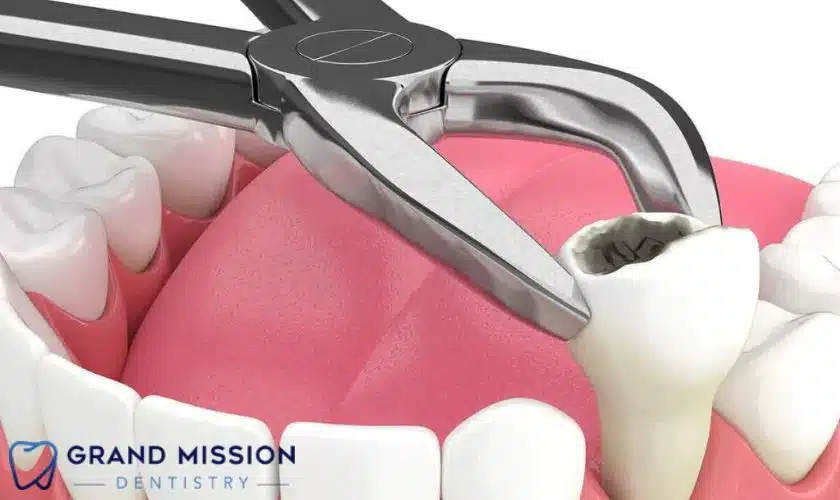
The tooth is removed as atraumatically as possible to preserve the surrounding socket walls. The technique used during extraction directly affects how much bone remains available for the graft.
Socket Preparation
The socket is cleaned and prepared to receive the graft material. If PRF therapy is being incorporated, the blood draw and centrifugation have already been completed chair-side before the procedure begins.
Graft Placement
Bone graft material is placed into the socket to fill the void and provide the scaffold your body needs to form new bone. A collagen membrane is placed over the graft to protect it and guide healing. PRF is incorporated where appropriate to accelerate integration.
Healing
The graft integrates with your existing bone over three to six months. During this period, the ridge dimensions are maintained. Once healing is confirmed with follow-up imaging, implant placement proceeds from a stable, well-preserved foundation.
How Much Does Socket Preservation Cost in Texas?
| Procedure | Estimated Cost Range | Notes |
|---|---|---|
| Socket preservation graft | $300 to $800 per socket | Placed at time of extraction |
| Socket preservation with PRF | $400 to $900 per socket | PRF incorporated for enhanced healing |
| Multiple socket preservation | $600 to $1,500+ | Multiple extraction sites |
why patients choose grand mission dentistry for Socket Preservation

Performed at the Same Appointment as Extraction
Socket preservation adds only a few minutes to your extraction appointment. The most important window for protecting your bone is immediately after the tooth is removed. Grand Mission performs socket preservation chair-side so you never miss that window.

PRF Incorporated for Better Outcomes
Grand Mission combines PRF therapy with socket preservation procedures to accelerate healing, reduce dry socket risk, and improve the quality of bone formed in the preserved site. Clinical evidence supports measurably better outcomes with PRF incorporated.
Part of a Complete Implant Plan
Socket preservation at Grand Mission is not a standalone procedure. It is step one in a coordinated treatment plan that leads to implant placement on a stable, well-preserved foundation. Dr. Sung maps the full journey from extraction through final restoration before the first appointment begins.

Dr. William Sung DMD

Dr. Tam Nguyen DMD
.webp)
Dr. Van Nguyen DDS
Flexible Financing for Every Budget
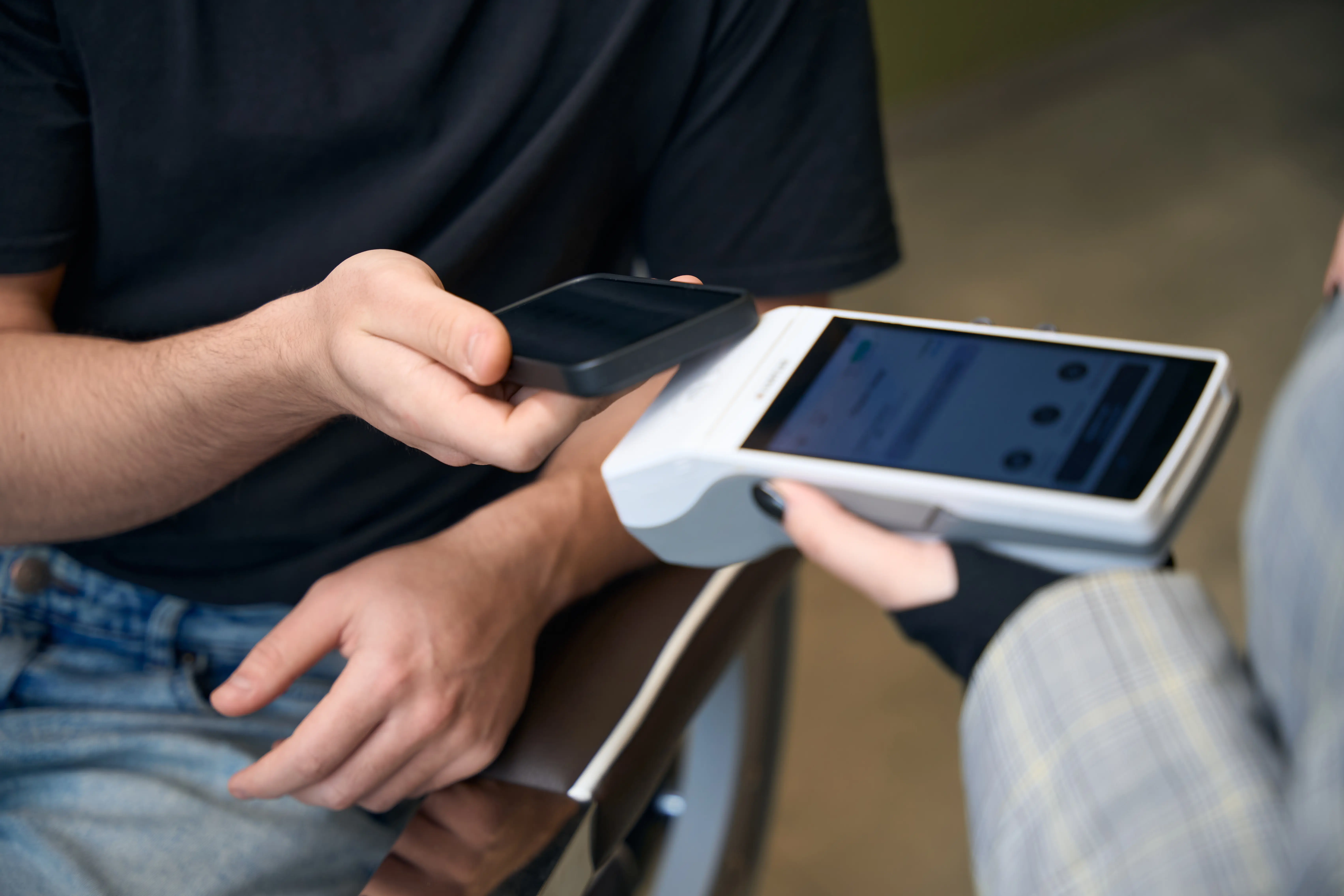
We accept most major PPO dental insurance plans and welcome HSA and FSA payments. For costs beyond coverage, flexible financing through Cherry offers 0% APR options for qualified patients, making it easy to break treatment into manageable monthly payments.

New Patient Special!
Starting at
$189
get
Comprehensive exam
X-Rays
Cleaning
Full Treatment Plan
(Cannot be combined with insurance, new patients only, not valid in cases of periodontal disease.)
.webp)
FREE Second Opinion
Special Price
FREE
get
No cost, no pressure — get an honest evaluation without feeling rushed or sold to
Clear answers you can trust — we review your diagnosis, options, and next steps
Confidence before treatment — make informed decisions about your dental health
Frequently Asked Questions About Socket Preservation
Is socket preservation necessary after every tooth extraction?
Not always. If you are not planning an implant or if the extraction site has sufficient natural bone volume, socket preservation may not be required. Dr. Sung evaluates each extraction site individually and recommends grafting only when the clinical evidence supports it for your specific situation.
Can I still get a dental implant if I did not have socket preservation?
Yes, but additional bone grafting may be required first. Research shows that 48% of ungrafted extraction sites require additional bone augmentation before implant placement is possible in a prosthetically acceptable position, compared to only 11.5% of socket-preserved sites. Implants are still possible without prior socket preservation, but the path is typically longer and more complex.
Can I get a dry socket if I have a bone graft?
Dry socket is significantly less likely when socket preservation is performed. PRF therapy incorporated alongside the graft further reduces dry socket risk. The graft material and PRF together provide biological support that the empty socket does not have on its own.
How long after socket preservation can I get an implant?
Most patients are ready for implant placement three to six months after socket preservation. This timeline aligns closely with normal extraction healing, meaning socket preservation adds little to no additional wait time compared to healing without a graft, and significantly reduces the chance of needing additional grafting before implant placement.
How much does socket preservation cost in Texas?
Most socket preservation procedures range from $300 to $800 per site. Many insurance plans cover it when clinically indicated.

What Socket Preservation Leads To
Dental Implants
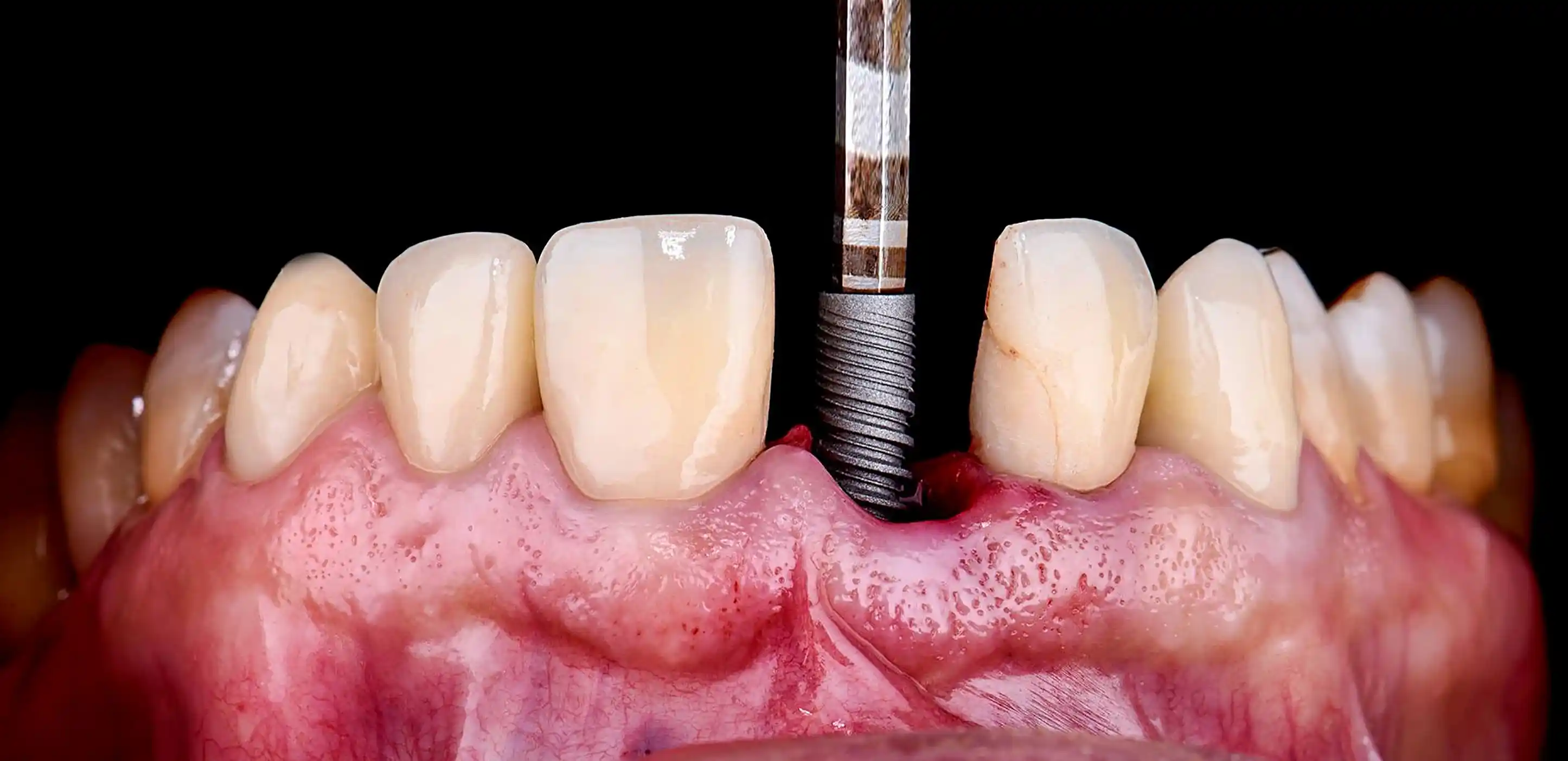
Socket preservation is step one in the implant journey. Once the preserved site has healed, implant placement proceeds from a stable, well-maintained foundation.
Learn More about Dental Implants
PRF Therapy
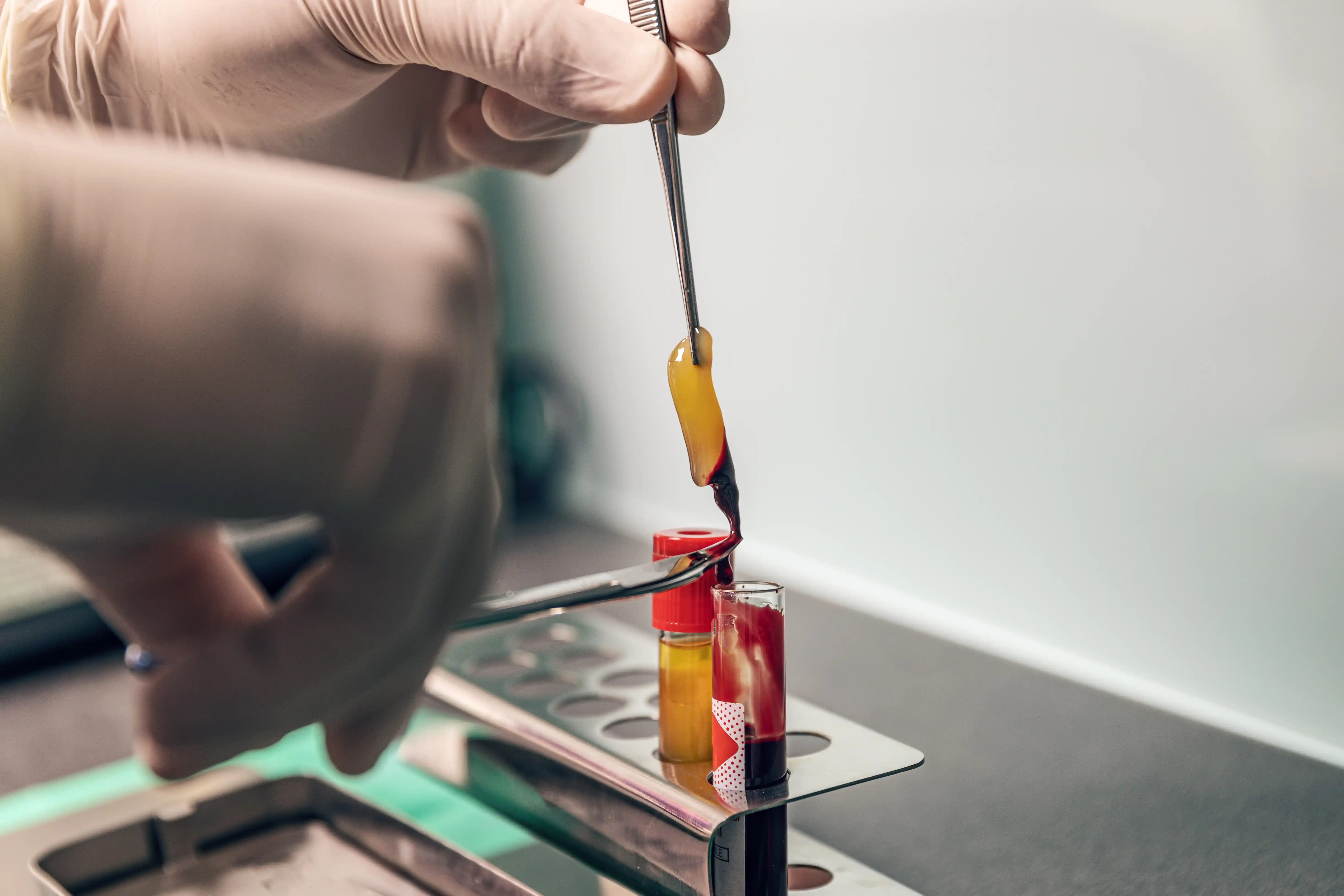
Grand Mission incorporates PRF into socket preservation procedures to accelerate healing, reduce dry socket risk, and improve the quality of new bone formed at the site.
Learn More about PRF Therapy

Bone Grafting
When significant bone loss has already occurred before the extraction or at a site where socket preservation was not performed, more extensive bone grafting may be needed to prepare for implant placement.
Learn More about Bone Grafting
Your confident smile
Is our guide
Schedule your appointment today
If you have a tooth that needs to come out and you want to keep your implant options open, the time to act is at the extraction appointment, not months later when the bone has already changed. Dr. Sung is ready to walk you through the full plan from extraction through final restoration.