
.webp)


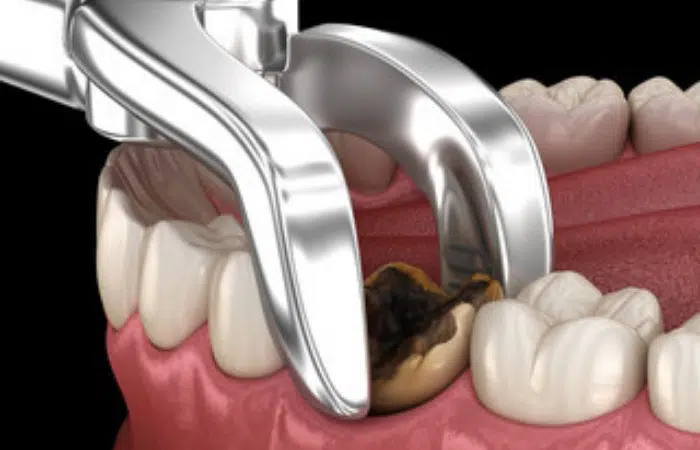
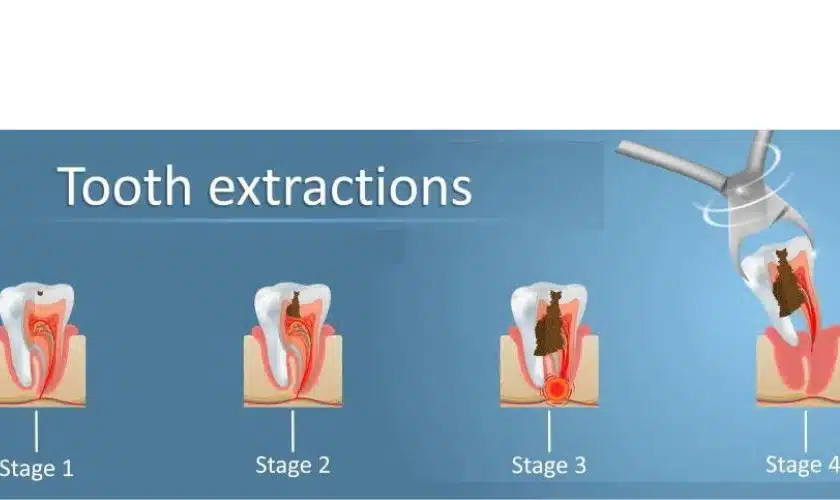
When a cavity has destroyed so much of the tooth structure that a crown or filling cannot reliably restore it, extraction removes the source of infection and opens the door to a permanent replacement.
Tooth Extractions and Wisdom Tooth Removal in Richmond, TX
Gentle Extractions by Dr. William Sung DMD, Same-Day Appointments Available
.png)
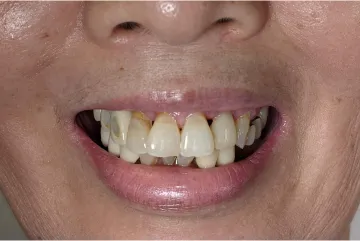
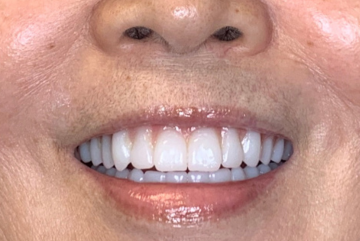

Before
After
Tooth Extractions at Grand Mission
Saving a natural tooth is always the goal. But when a tooth is too damaged, too infected, or too compromised to restore reliably, extraction is the most straightforward path forward. At Grand Mission, Dr. William Sung performs simple and surgical extractions in house, including wisdom tooth removal, with local anesthesia and sedation options that keep you comfortable throughout. Same-day appointments are available for patients in acute pain. And every extraction is followed by a clear plan for what comes next, whether that is socket preservation, an implant, or a bridge, so your bone and options are protected from the moment the tooth comes out.
When Does a Tooth Need to Come Out?
Dr. Sung recommends extraction only when saving the tooth is genuinely not the best path forward. Here are the most common clinical situations.
When gum disease has destroyed the bone supporting a tooth to the point where the tooth is mobile or unstable, extraction is often necessary. Treating the surrounding tissue before replacement is the priority.
A crack that extends below the bone level cannot be crowned or restored. Extraction is the only option when the fracture compromises the root in a way that makes saving the tooth unpredictable.
Wisdom teeth that are impacted, growing at an angle, partially erupted, or causing crowding, pain, or repeated infection are removed before they damage neighboring teeth or create more complex problems over time.
In cases of significant crowding, strategic extractions create the space needed for teeth to move into proper alignment. This is planned as part of a coordinated orthodontic treatment approach.
Simple vs Surgical Extraction
Simple Extraction
Performed on teeth that are fully visible above the gumline and intact enough to be removed with standard instruments. Completed under local anesthesia. Most patients find the experience significantly more comfortable than they expected. Recovery is typically straightforward with minimal downtime.
Surgical Extraction
Required when a tooth is impacted, broken below the gumline, or not fully erupted. A small incision is made to access the tooth, which may be sectioned into smaller pieces for removal. Performed under local anesthesia or sedation. The most common surgical extraction at Grand Mission is wisdom tooth removal.
Wisdom Tooth Removal at Grand Mission
Wisdom teeth are the last molars to emerge, typically between ages 17 and 25. When they erupt properly and the jaw has space to accommodate them, they can stay. When they do not, they become one of the most common sources of dental pain, infection, crowding, and damage to neighboring teeth.
Dr. Sung evaluates wisdom teeth with digital X-rays and CBCT 3D imaging to assess their position, root anatomy, and proximity to nerves before recommending removal. This precision planning makes the procedure faster, safer, and more predictable.
Should You Extract the Tooth or Save It With a Root Canal?
This is the most common decision patients face when a tooth is severely compromised. Here is the honest comparison.
| Feature | Root Canal and Crown | Tooth Extraction |
|---|---|---|
| Keeps your natural tooth | ✅ Yes | ❌ No |
| Bone preservation | ✅ Root stimulates bone | ❌ Bone loss begins immediately |
| Adjacent teeth affected | ✅ No impact | ⚠️ Teeth shift toward gap over time |
| Cost upfront | ⚠️ Higher than extraction | ✅ Lower upfront |
| Long-term cost | ✅ No replacement needed | ⚠️ Implant or bridge needed later |
| Recovery | ✅ Minimal | ⚠️ Longer healing |
| Best when | ✅ Tooth structure is salvageable | ✅ Tooth genuinely cannot be saved |
Same-Day Extraction and Implant Planning
If you are having a tooth removed that you want to replace with an implant, the decisions made on extraction day directly affect the complexity and cost of your implant treatment later.
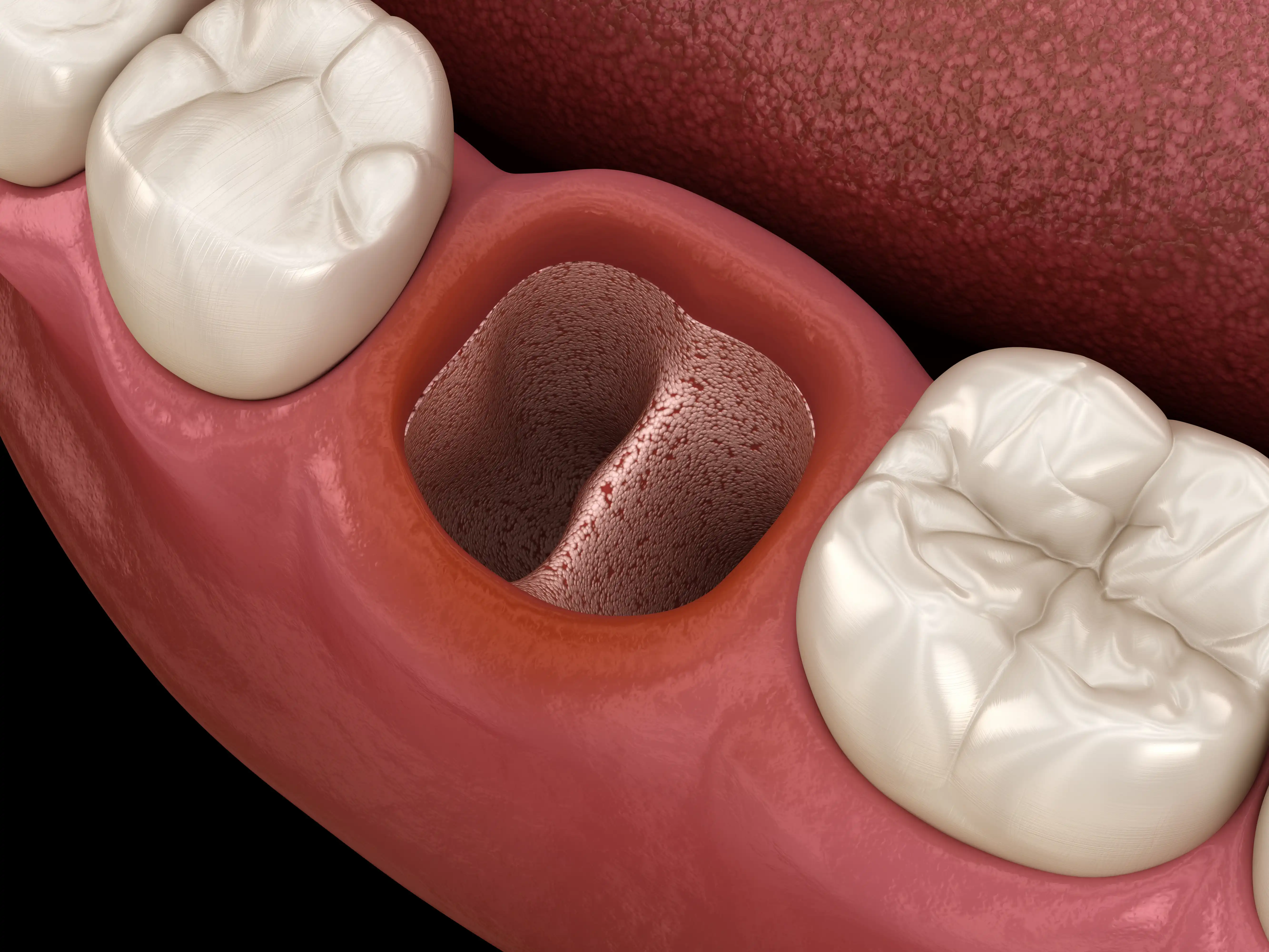
Socket preservation, placing bone graft material immediately at the time of extraction, prevents the rapid bone collapse that follows tooth loss. Without it, up to 50% of bone width can be lost within the first year, often making future implant placement more complex and requiring additional grafting.
At Grand Mission, Dr. Sung plans every extraction with what comes next in mind. If an implant is part of your long-term plan, socket preservation is discussed and offered at the same appointment. In appropriate cases, implant placement can be planned to begin as soon as the extraction site has healed, keeping your total treatment timeline as short as possible.
What to Do After Your Extraction
The first 24 to 72 hours after an extraction are the most important for healing. Here is exactly what to do and what to avoid.
✅ Do
Bite firmly on the gauze for 30 to 45 minutes immediately after extraction
Rest for the remainder of the day
Apply ice to the outside of your face in 20-minute intervals for the first 24 hours
Eat soft foods: yogurt, mashed potatoes, scrambled eggs, smoothies, pasta, and rice are all fine
Rinse gently with warm salt water starting 24 hours after extraction
⚠️ Avoid
Smoking or using tobacco for at least 72 hours, longer is better, smoking is the primary cause of dry socket
Drinking through a straw for 24 to 48 hours, the suction can dislodge the clot
Coffee and hot liquids for the first 24 hours
Vigorous rinsing or spitting that could disturb the blood clot
Strenuous exercise for 24 to 48 hours
How Much Does a Tooth Extraction Cost in Texas?
| Procedure | Estimated Cost Range | Notes |
|---|---|---|
| Simple extraction | $150 to $400 per tooth | Visible, intact tooth |
| Surgical extraction | $250 to $600 per tooth | Impacted or broken below gumline |
| Wisdom tooth removal (per tooth) | $250 to $600 | Simple to moderately impacted |
| Fully impacted wisdom tooth | $400 to $800 | Complex angulation or position |
| Socket preservation graft | $300 to $800 | Added at time of extraction |
The Extraction Process at Grand Mission

Evaluation and Imaging
Dr. Sung examines the tooth, reviews digital X-rays, and for complex or impacted cases uses CBCT 3D imaging to map root anatomy, nerve proximity, and the best removal approach before the procedure begins.
Anesthesia and Sedation
Local anesthesia numbs the area completely. Sedation options ranging from oral sedation to deeper comfort levels are available for anxious patients or complex procedures. You feel pressure during extraction but no pain.
Extraction
Simple extractions use elevators and forceps to loosen and remove the tooth. Surgical extractions involve a small incision and may require sectioning the tooth into smaller pieces for safer removal. The technique is determined by the tooth's position and anatomy.
Socket Care and Socket Preservation
The socket is cleaned and evaluated. If socket preservation is being performed, bone graft material is placed and a protective membrane is placed over the site. Instructions are given for immediate aftercare before you leave.
Aftercare and Follow-Up
Dr. Sung reviews your aftercare instructions before you leave and schedules any necessary follow-up. For patients planning implant treatment, the next steps in the treatment sequence are confirmed at this appointment.
why patients choose grand mission dentistry for Extractions

Same-Day Emergency Appointments
Wisdom tooth pain, a dental abscess, or a broken tooth that cannot wait do not need to wait. Grand Mission offers same-day emergency extraction appointments for patients in acute pain. Call (281) 789-8836 for same-day availability.

Socket Preservation at the Same Appointment
Grand Mission offers socket preservation bone grafting at the time of extraction so your bone is protected from the moment the tooth is removed. This one decision can significantly reduce the complexity and cost of future implant treatment.

Sedation for Every Level of Anxiety
Extraction does not have to be something you dread. Sedation options at Grand Mission keep you completely comfortable throughout the procedure and reduce recovery anxiety so you leave feeling better than you expected.

Dr. William Sung DMD

Dr. Tam Nguyen DMD
.webp)
Dr. Van Nguyen DDS
Flexible Financing for Every Budget
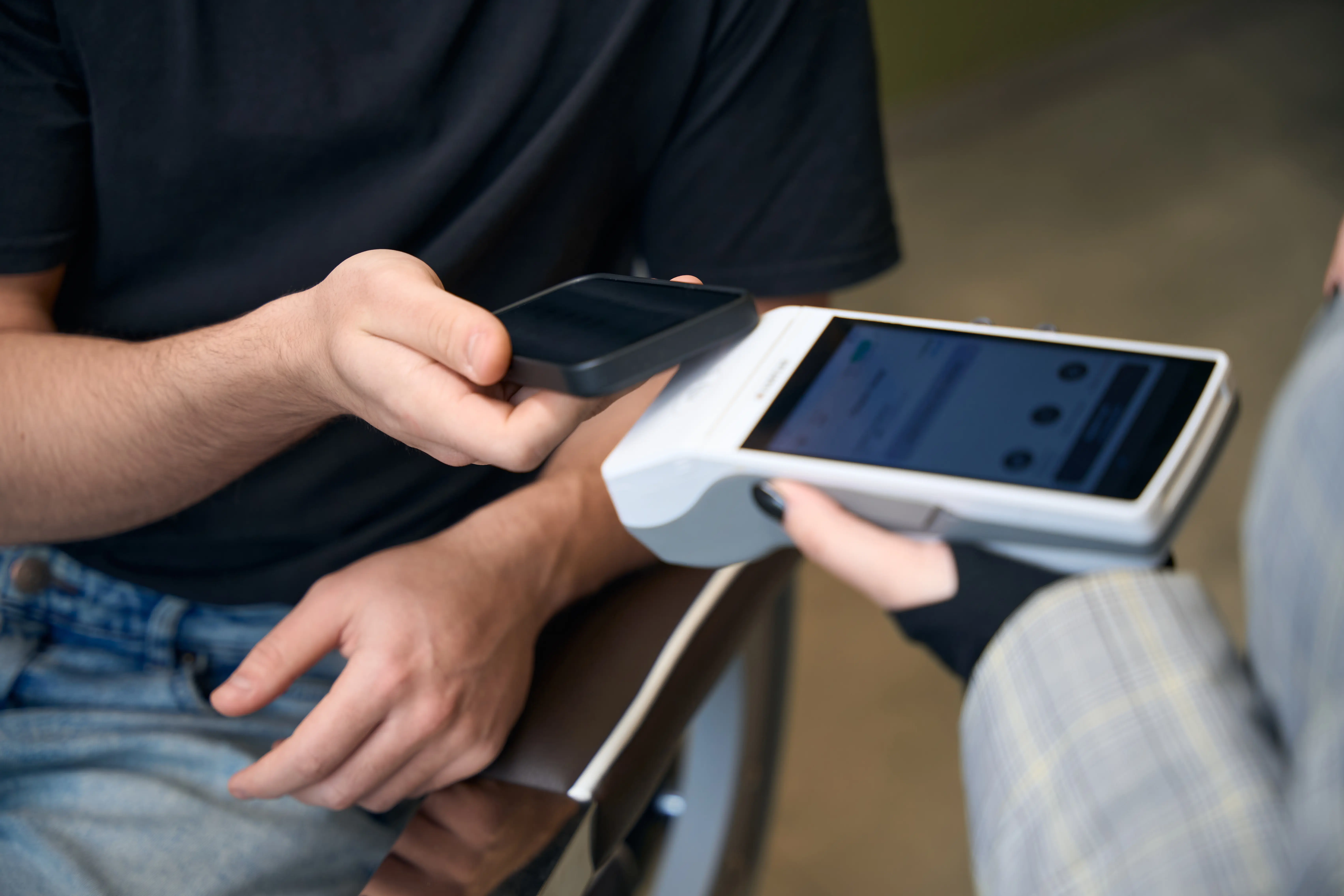
We accept most major PPO dental insurance plans and welcome HSA and FSA payments. For costs beyond coverage, flexible financing through Cherry offers 0% APR options for qualified patients, making it easy to break treatment into manageable monthly payments.

New Patient Special!
Starting at
$189
get
Comprehensive exam
X-Rays
Cleaning
Full Treatment Plan
(Cannot be combined with insurance, new patients only, not valid in cases of periodontal disease.)
.webp)
FREE Second Opinion
Special Price
FREE
get
No cost, no pressure — get an honest evaluation without feeling rushed or sold to
Clear answers you can trust — we review your diagnosis, options, and next steps
Confidence before treatment — make informed decisions about your dental health
Frequently Asked Questions About tooth extraction
Does a tooth extraction hurt?
The procedure is performed under local anesthesia and patients feel no pain during extraction, only pressure. Sedation is available for anxious patients. Most patients are surprised by how manageable the experience is. Post-operative soreness for two to three days is normal and managed with medication.
How long does wisdom tooth removal take?
Simple wisdom tooth removal takes 15 to 30 minutes per tooth. Fully impacted wisdom teeth requiring surgical removal take longer depending on position and angulation. Most patients have all four wisdom teeth removed in a single appointment.
When can I eat after a tooth extraction?
Soft foods are appropriate immediately after extraction once the anesthesia wears off. Yogurt, mashed potatoes, scrambled eggs, pasta, rice, and smoothies are all fine. Avoid hot foods and liquids for the first 24 hours. Most patients return to a normal diet within three to five days.
When can I drink coffee after tooth extraction?
Wait at least 24 hours before drinking coffee. Hot liquids can increase bleeding and discomfort in the first day. After 24 hours most patients tolerate coffee without issue as long as they are not using a straw.
Is wisdom tooth removal covered by insurance?
Most PPO dental plans cover wisdom tooth removal when clinically necessary, though coverage varies by plan and situation. Our team checks specific benefits before the appointment. Medical insurance may also contribute in cases where removal is deemed medically necessary.
Can I get an implant the same day as my extraction?
In some cases immediate implant placement at the time of extraction is possible. In most cases a healing period is needed first. What can always happen on extraction day is socket preservation, which protects the bone and makes future implant placement more predictable and often simpler.

Related Services
Socket Preservation
The single most important decision on extraction day if an implant is in your future. Socket preservation protects your bone immediately at the time of removal and keeps your options open.
Learn More about Socket Preservation
Dental Implants
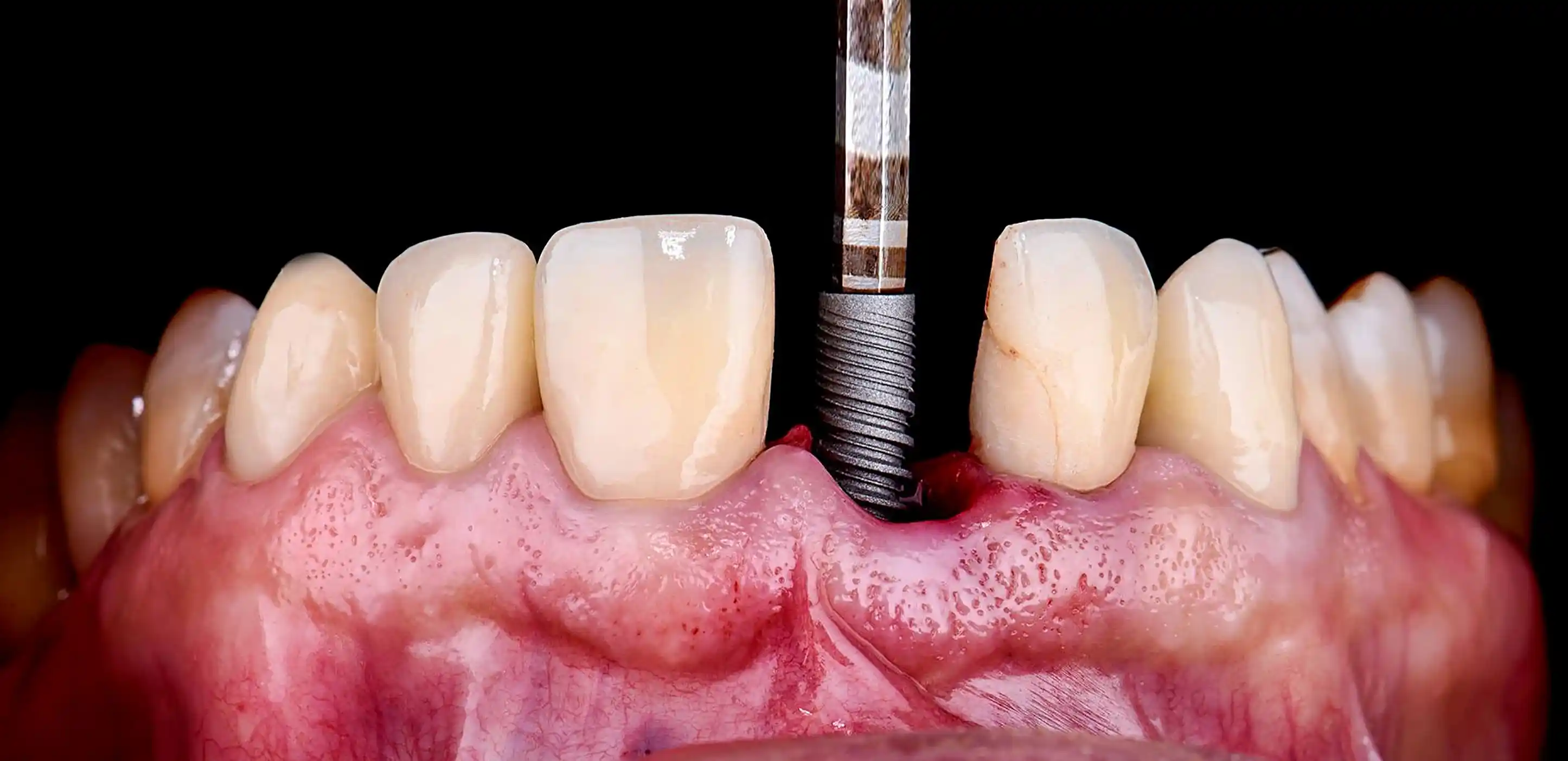
The most natural and bone-preserving way to replace a tooth after extraction. Dr. Sung places and restores implants entirely in house.
Link: Dental Implants
Learn More about Dental Implants
.webp)
Root Canal Therapy
When a tooth is infected but still structurally salvageable, root canal therapy saves it without extraction. Dr. Sung evaluates every compromised tooth honestly before recommending removal.
Learn More about Root Canal Therapy
Your confident smile
Is our guide
Schedule your appointment today
Whether you are in pain right now or planning ahead for a tooth that needs to come out, Dr. Sung is ready to evaluate your situation, tell you honestly what the best path forward is, and handle everything in house from extraction through whatever comes next.