
.webp)


Occasional bleeding is not normal. Healthy gums do not bleed from routine brushing. Regular bleeding is one of the earliest and most reliable indicators of gum inflammation and should be evaluated rather than ignored.
Oral and Gum Care in Richmond, TX
Gum Health Evaluation and Treatment by Dr. William Sung DMD
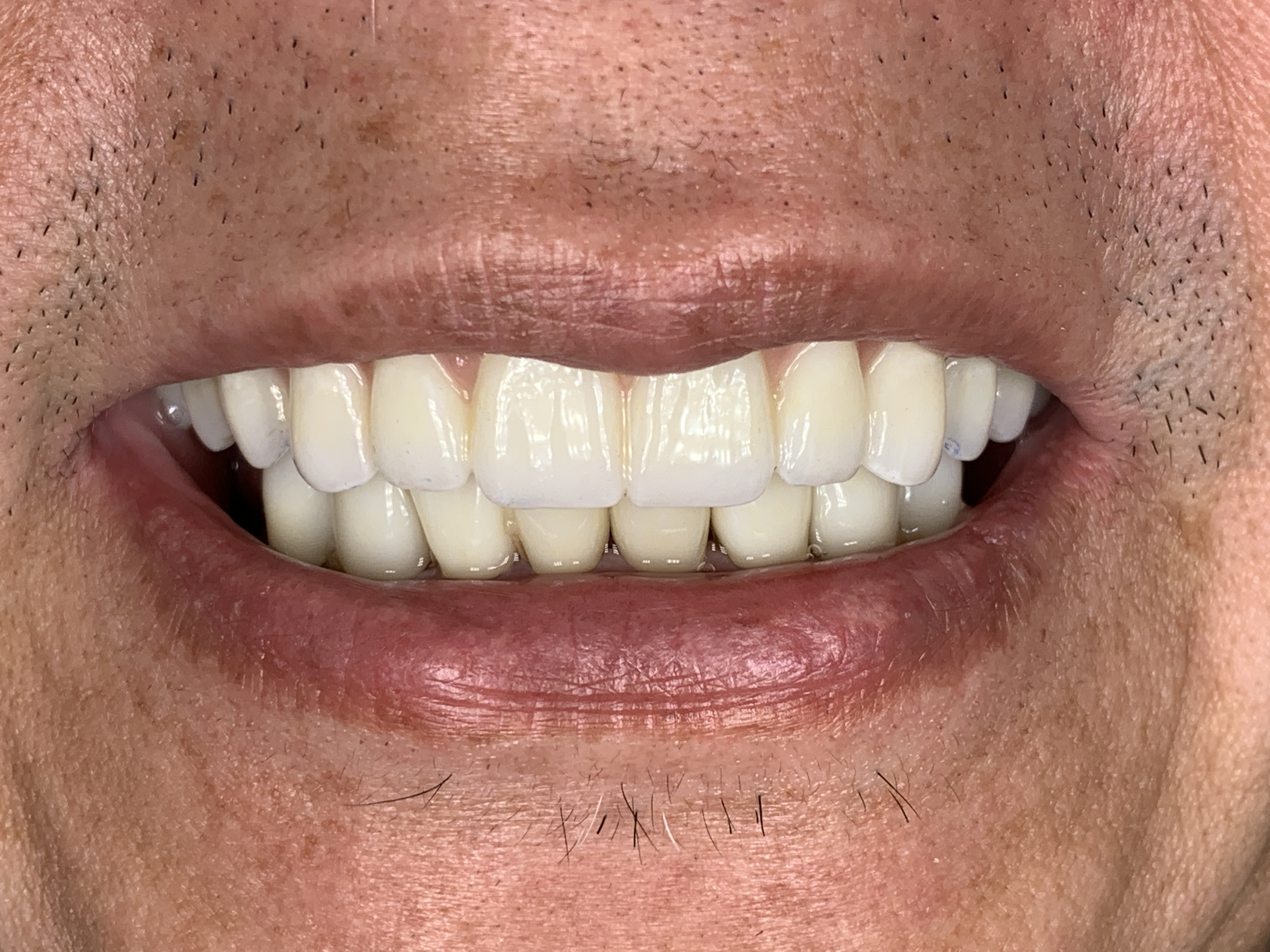
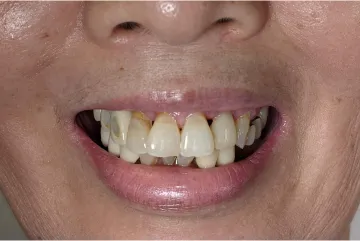

Before
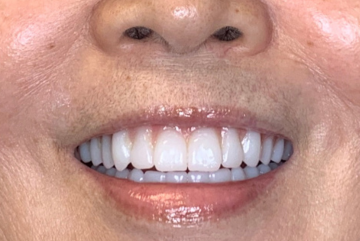
After
Oral and Gum Care at Grand Mission
Healthy gums are the foundation every tooth depends on. When gum tissue becomes inflamed, bleeds regularly, recedes, or pulls away from teeth, it is rarely just a local problem. Gum disease is the leading cause of tooth loss in adults and one of the most common chronic conditions in the country. Most people have it to some degree and do not know it because it progresses without pain. At Grand Mission, Dr. William Sung evaluates gum health at every exam, identifies problems early, and provides the right level of care whether that is a routine professional cleaning, a targeted deep cleaning, or referral to more advanced periodontal treatment.
Signs Your Gums Need Attention
Gum disease rarely hurts in its early stages. These are the warning signs that something is developing beneath the surface.
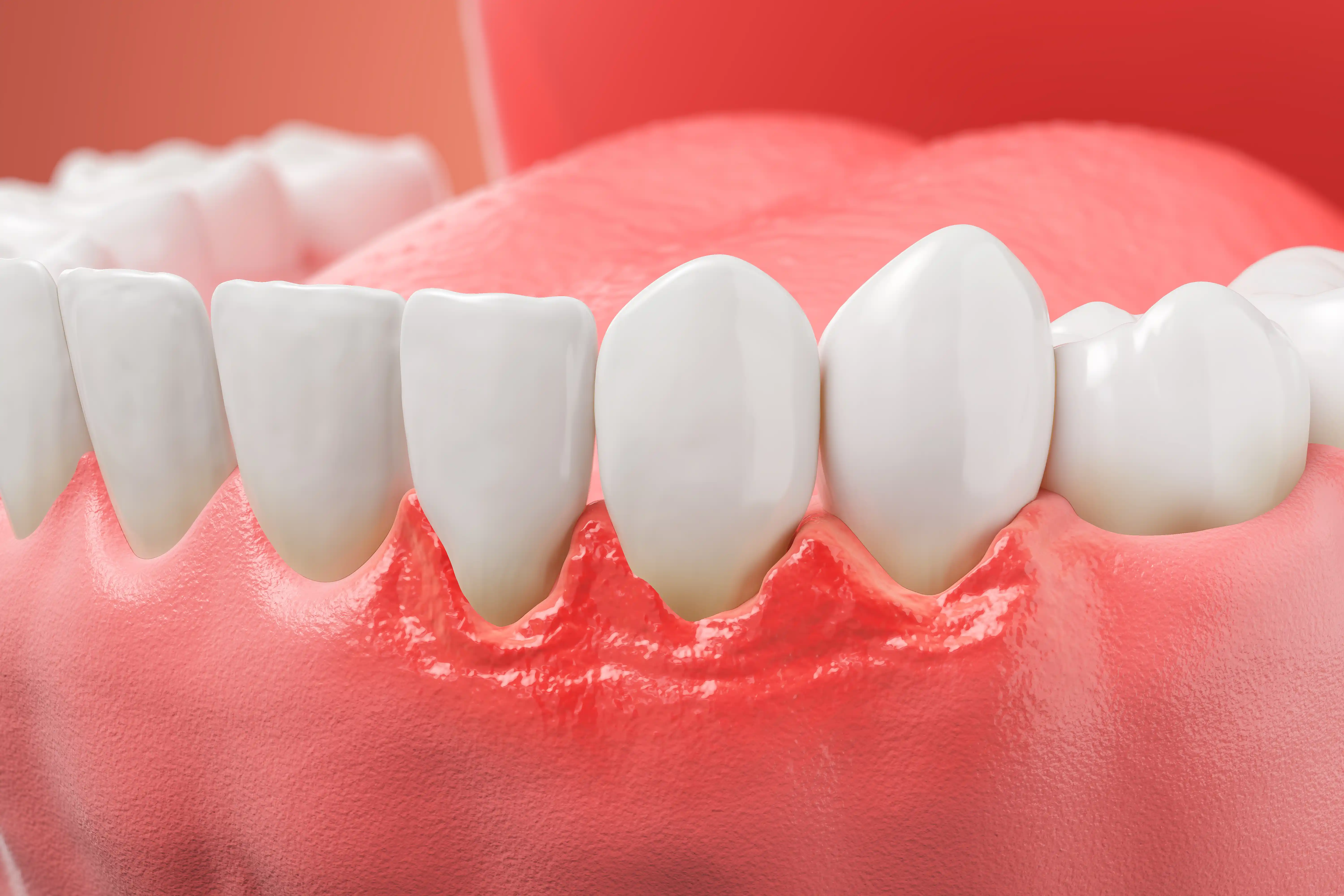
Healthy gum tissue is firm and pale pink. Red, swollen, or spongy gums indicate active inflammation, often driven by bacterial buildup along the gumline that your home care routine is not fully addressing.
Recession exposes root surfaces, increases sensitivity, and reduces the bone support around each tooth. Once gum tissue recedes it does not grow back on its own, which is why early evaluation and treatment matter.
Bad breath that does not resolve with brushing and rinsing is often driven by bacterial activity in the gum pockets around your teeth, not by diet or digestion. It is one of the more overlooked signs of active gum disease.
Mobility or spacing changes in previously stable teeth indicate bone loss beneath the gumline. This is a later stage sign that requires prompt professional evaluation.
What Oral and Gum Care Includes at Grand Mission
Gum Pocket Measurement
At every exam, Dr. Sung measures the depth of the pockets around each tooth. Healthy pockets are one to three millimeters. Deeper measurements indicate inflammation, bone loss, or active disease that requires targeted treatment.
Professional Cleaning and Scaling
Routine professional cleanings remove plaque and tartar from above and just below the gumline. For patients with deeper pockets or visible gum disease, scaling removes bacterial deposits from below the gumline where home care cannot reach.
Scaling and Root Planing
For patients with active gum disease, scaling and root planing is a deeper cleaning performed below the gumline under local anesthesia. It removes bacterial buildup from root surfaces and allows inflamed gum tissue to heal and reattach properly.
OralDNA Bacterial Testing
Grand Mission offers OralDNA salivary testing to identify the specific bacteria driving a patient's gum disease. Knowing exactly which pathogens are present allows Dr. Sung to select the most targeted treatment protocol rather than a one-size-fits-all approach.
Maintenance and Monitoring
After active gum disease is treated, regular maintenance appointments every three to four months keep inflammation controlled, monitor pocket depths, and prevent recurrence. Gum disease can be managed effectively but requires consistent care to stay stable.
What Untreated Gum Disease Is Actually Doing to Your Health
Gum inflammation does not stay local. The research connecting it to systemic health is among the strongest in medicine.
Health Risk Sources

Camargo LA, Camargo MBP, et al. "Periodontal disease and cardiovascular disease: umbrella review." BMC Oral Health vol. 24 (2024): 1283. doi:10.1186/s12903-024-04907-1. https://link.springer.com/article/10.1186/s12903-024-04907-1
Leng W, et al. "Periodontal disease is associated with the risk of cardiovascular disease independent of sex: A meta-analysis." Frontiers in Cardiovascular Medicine vol. 10 (2023): 1114927. doi:10.3389/fcvm.2023.1114927. https://pmc.ncbi.nlm.nih.gov/articles/PMC10010192/
Zhou H, et al. "Meta Analysis of the Correlation between Periodontal Health and Cognitive Impairment in the Older Population." ScienceDirect (2024). https://www.sciencedirect.com/science/article/pii/S2274580724006605
Frontiers in Aging Neuroscience. "Association between periodontal disease and Alzheimer's disease: a scoping review." September 2025. doi:10.3389/fnagi.2025.1588008. https://www.frontiersin.org/journals/aging-neuroscience/articles/10.3389/fnagi.2025.1588008/full
What Happens at Your Gum Evaluation
Comprehensive Gum Assessment
Dr. Sung measures pocket depths around every tooth, evaluates tissue color and texture, assesses bone levels with digital X-rays, and identifies any areas of recession, bleeding, or mobility. This assessment determines what level of care your gums need.
OralDNA Testing Where Appropriate
For patients with moderate to advanced gum disease or a history of periodontal problems, OralDNA salivary testing identifies the specific bacterial strains driving the condition. This takes one minute and the results guide the most targeted treatment approach.
Treatment Matched to Your Situation
Patients with healthy gums receive a routine professional cleaning. Patients with early inflammation receive targeted scaling. Patients with active gum disease receive scaling and root planing under local anesthesia. Every recommendation is based on what your specific pockets, bone levels, and bacterial profile require.
Maintenance Plan
Once active disease is controlled, a personalized maintenance schedule keeps it stable. Most patients with a history of gum disease benefit from professional care every three to four months rather than the standard six-month interval.
why patients choose grand mission dentistry for Gum Care
.svg)
OralDNA Bacterial Testing
Grand Mission uses OralDNA salivary testing to identify the specific bacteria causing your gum disease before treatment begins. Knowing what is present allows Dr. Sung to select the most effective protocol for your specific bacterial profile, not a generic approach.
Gum Disease Caught Early at Every Exam
Pocket depth measurements are taken at every comprehensive exam at Grand Mission. Early-stage gum disease responds quickly to treatment. Advanced disease requires far more complex and costly intervention. Finding it early changes the entire treatment experience.
Full Periodontal and Regenerative Care Available
Scaling, root planing, gum tissue regeneration, and bone grafting are all available at Grand Mission when gum disease has progressed beyond routine maintenance. You never need a separate specialist referral for your periodontal care.

Dr. William Sung DMD

Dr. Tam Nguyen DMD
.webp)
Dr. Van Nguyen DDS
Flexible Financing for Every Budget

We accept most major PPO dental insurance plans and welcome HSA and FSA payments. For costs beyond coverage, flexible financing through Cherry offers 0% APR options for qualified patients, making it easy to break treatment into manageable monthly payments.

New Patient Special!
Starting at
$189
get
Comprehensive exam
X-Rays
Cleaning
Full Treatment Plan
(Cannot be combined with insurance, new patients only, not valid in cases of periodontal disease.)
.webp)
FREE Second Opinion
Special Price
FREE
get
No cost, no pressure — get an honest evaluation without feeling rushed or sold to
Clear answers you can trust — we review your diagnosis, options, and next steps
Confidence before treatment — make informed decisions about your dental health



Frequently Asked Questions About gum disease
How do I know if I have gum disease?
The most common early signs are gums that bleed when brushing or flossing, redness or swelling, and persistent bad breath. In many cases there are no obvious symptoms at all, which is why pocket depth measurements at every exam are so important. The only reliable way to know is a professional evaluation.
Is gum disease reversible?
Early-stage gum disease, called gingivitis, is fully reversible with professional treatment and improved home care. Once it advances to periodontitis, the bone loss that has occurred is permanent, but the disease can be managed effectively to stop further progression with consistent treatment and maintenance.
What is OralDNA testing?
OralDNA is a salivary test that identifies the specific bacteria present in the mouth and their concentration levels. It takes one minute to collect and provides Dr. Sung with precise information about which pathogens are driving gum disease, allowing treatment to be targeted rather than generic.
Is gum disease linked to other health problems?
Yes. Peer-reviewed research consistently links periodontal disease to cardiovascular disease, diabetes complications, cognitive decline including Alzheimer's disease, and adverse pregnancy outcomes. Treating gum disease reduces systemic inflammation, which benefits overall health, not just oral health.



related services
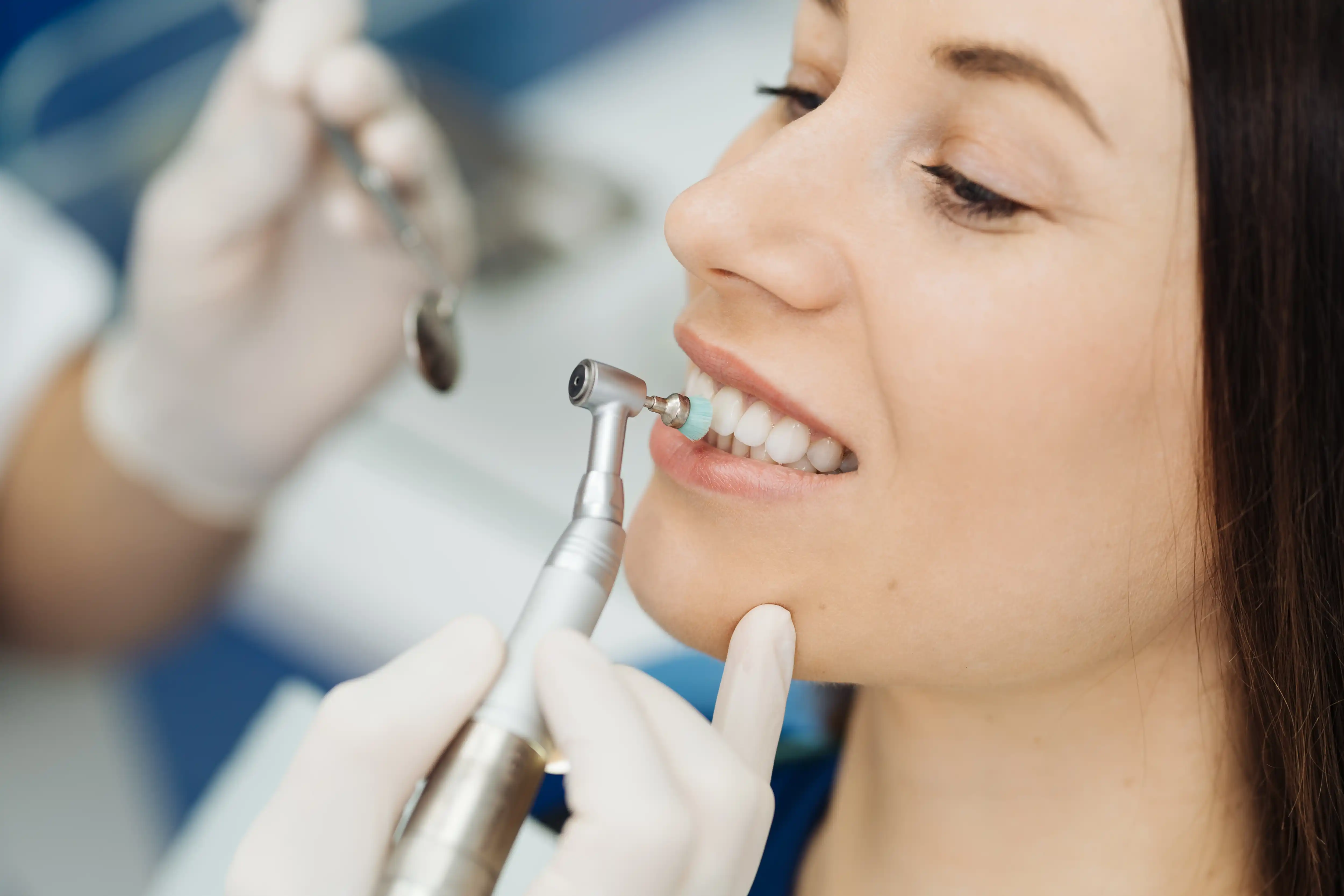
Professional Cleanings
Routine professional cleanings are the foundation of gum disease prevention. For patients with active disease, cleanings are combined with scaling and root planing to address bacterial buildup above and below the gumline.
Learn More about Professional Cleanings
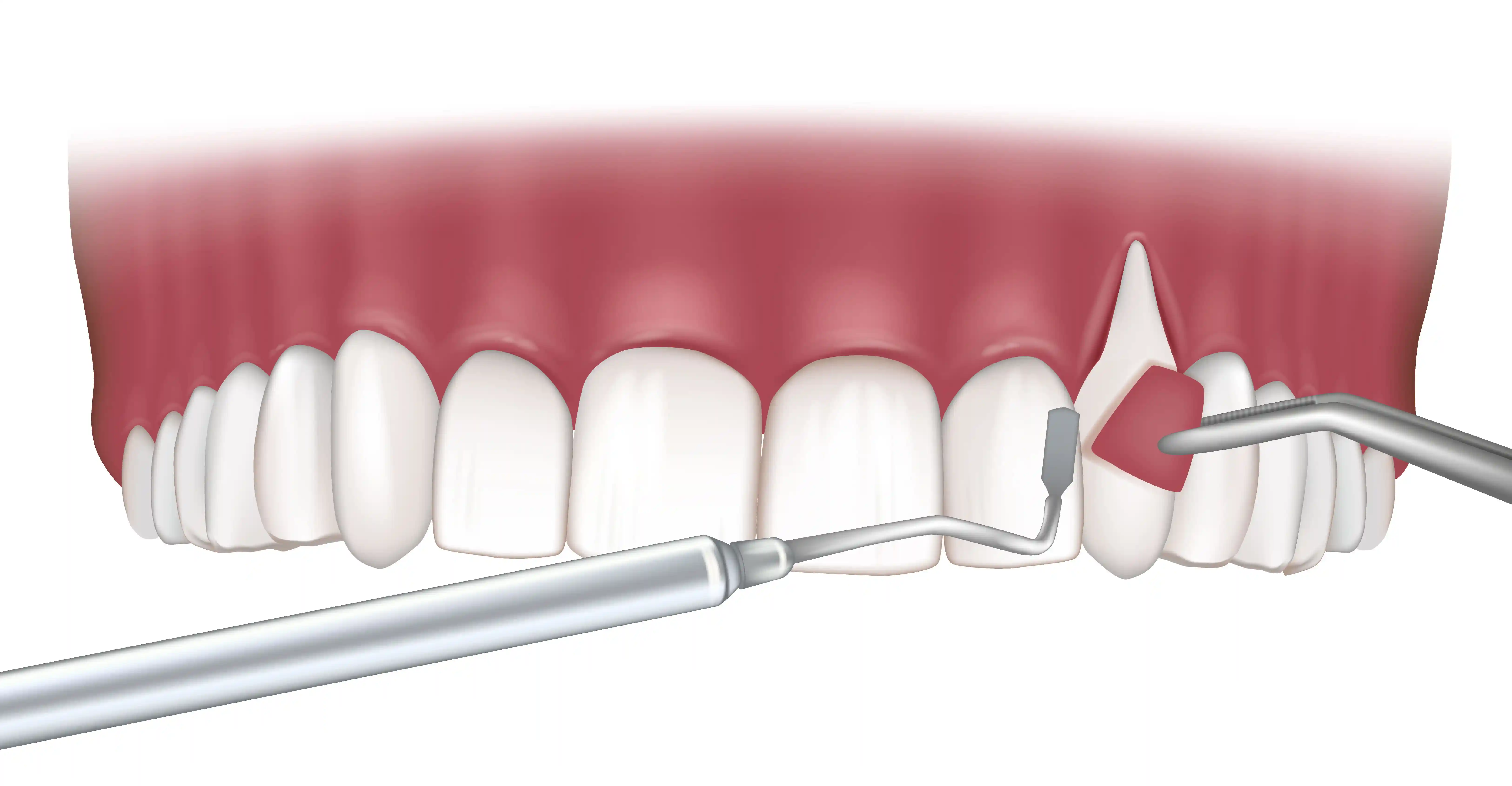
Gum Tissue Regeneration
When gum disease has caused recession, gum grafting restores lost tissue, covers exposed roots, and protects the supporting structure of affected teeth.
Learn More about Gum Tissue Regeneration
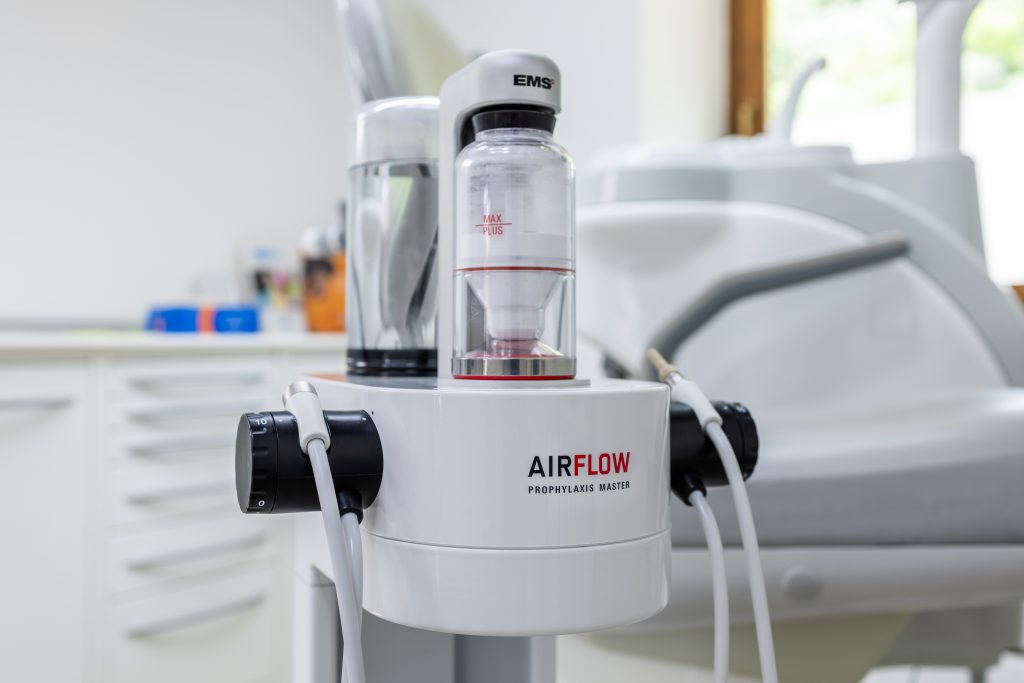
Airflow Wellness Cleaning
Airflow One removes biofilm from the gumline and below more thoroughly than traditional instruments, making it especially valuable for patients managing early gum disease or preventing its recurrence.
Learn More about Airflow Wellness Cleaning
Your confident smile
Is our guide
Schedule your appointment today
Gum disease is manageable when caught early and far more complicated when it is not. Dr. Sung evaluates your gum health at every exam, uses OralDNA testing to target treatment precisely, and gives you a clear plan for keeping it stable long-term.