
.webp)
.webp)

Thank you! Your submission has been received!
Oops! Something went wrong while submitting the form.
August 3, 2026
Many people hear the term full mouth reconstruction and immediately imagine an extremely painful, expensive procedure reserved only for severe dental cases. Others assume it is simply another name for a smile makeover.
In reality, full mouth reconstruction is one of the most misunderstood treatments in modern dentistry. Separating fact from fiction helps patients make informed decisions and understand whether this customized treatment could restore not only their smile but also their oral health and quality of life. Modern full mouth reconstruction is a personalized treatment plan that may combine crowns, implants, periodontal care, bite correction, and other restorative procedures based on each patient's needs.
Full mouth reconstruction is a comprehensive dental treatment designed to rebuild the health, function, and appearance of an entire smile. Unlike a single procedure that addresses one problem, it combines multiple restorative and, when needed, periodontal treatments into a personalized plan tailored to each patient's oral health needs. The primary goal is not only to create a more attractive smile but also to restore proper chewing, speaking, bite alignment, and long-term oral function.
Patients who require full mouth reconstruction often have several dental issues occurring at the same time. These may include multiple missing teeth, severely worn enamel from years of grinding, fractured teeth, advanced tooth decay, gum disease, bite misalignment, or restorations that have reached the end of their lifespan. Rather than treating each concern separately, full mouth reconstruction takes a comprehensive approach to improve the overall health and stability of the entire mouth.
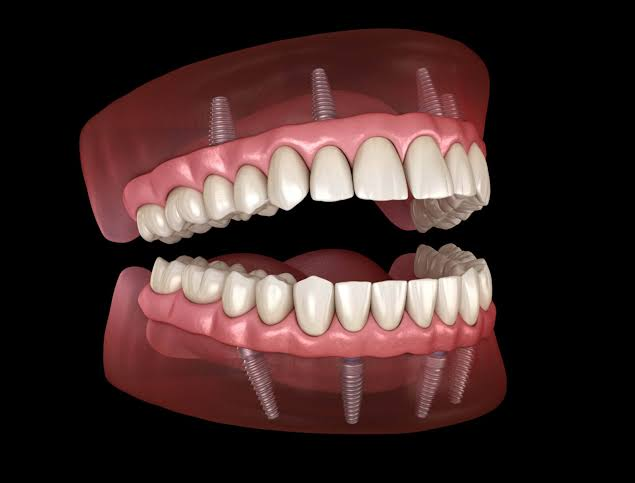
Every treatment plan begins with a detailed examination, which may include digital X-rays, 3D CBCT imaging, intraoral photographs, and a thorough evaluation of your teeth, gums, jaw joints, and bite. This comprehensive assessment allows your dentist to identify the underlying causes of dental problems and develop a treatment strategy that delivers predictable, long-lasting results.
One of the biggest misconceptions about full mouth reconstruction is that every patient undergoes the same procedures. In reality, no two treatment plans are exactly alike. Your dentist will recommend only the treatments necessary to restore your smile based on your unique oral health condition, goals, and budget.
A full mouth reconstruction may include one or more of the following treatments:
Because every procedure is carefully coordinated within a single treatment plan, patients benefit from a more efficient process and results that are designed to work together harmoniously.
Although a full mouth reconstruction often produces a dramatic improvement in appearance, its primary purpose is restoring oral health and function. Patients frequently notice that eating becomes more comfortable, speech feels clearer, and chronic jaw discomfort caused by an uneven bite begins to improve. Restoring damaged or missing teeth also helps distribute chewing forces evenly, reducing unnecessary stress on the remaining natural teeth and lowering the risk of future complications.
Full mouth reconstruction is not limited to people with one specific dental condition. Instead, it is recommended for individuals whose oral health has been affected by multiple issues that compromise the function, comfort, and longevity of their smile. If several dental problems are occurring at the same time, a comprehensive treatment plan may provide a more predictable and lasting solution than treating each concern separately.
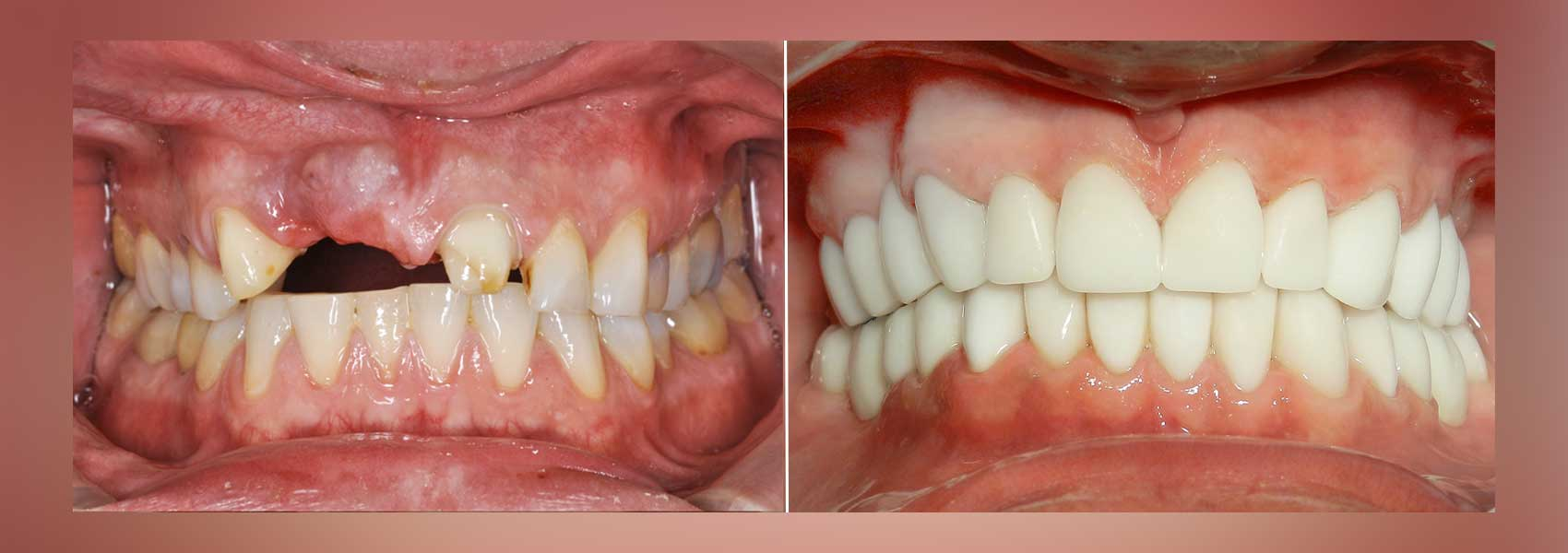
You may be a good candidate for full mouth reconstruction if you:
The best way to determine whether full mouth reconstruction is right for you is through a comprehensive dental evaluation. At Grand Mission Dentistry, your dentist will assess the condition of your teeth, gums, jaw joints, and bite using advanced diagnostic technology, including digital imaging when appropriate. Based on these findings, a personalized treatment plan can be created to restore your oral health, improve daily function, and help you enjoy a stronger, healthier smile for years to come.
Because full mouth reconstruction often involves multiple treatments, it's easy to see why so many misconceptions surround the procedure. Some people assume it's only for older adults, while others believe it's unbearably painful or always requires dental implants. These myths can prevent patients from seeking care that could dramatically improve their oral health and quality of life.
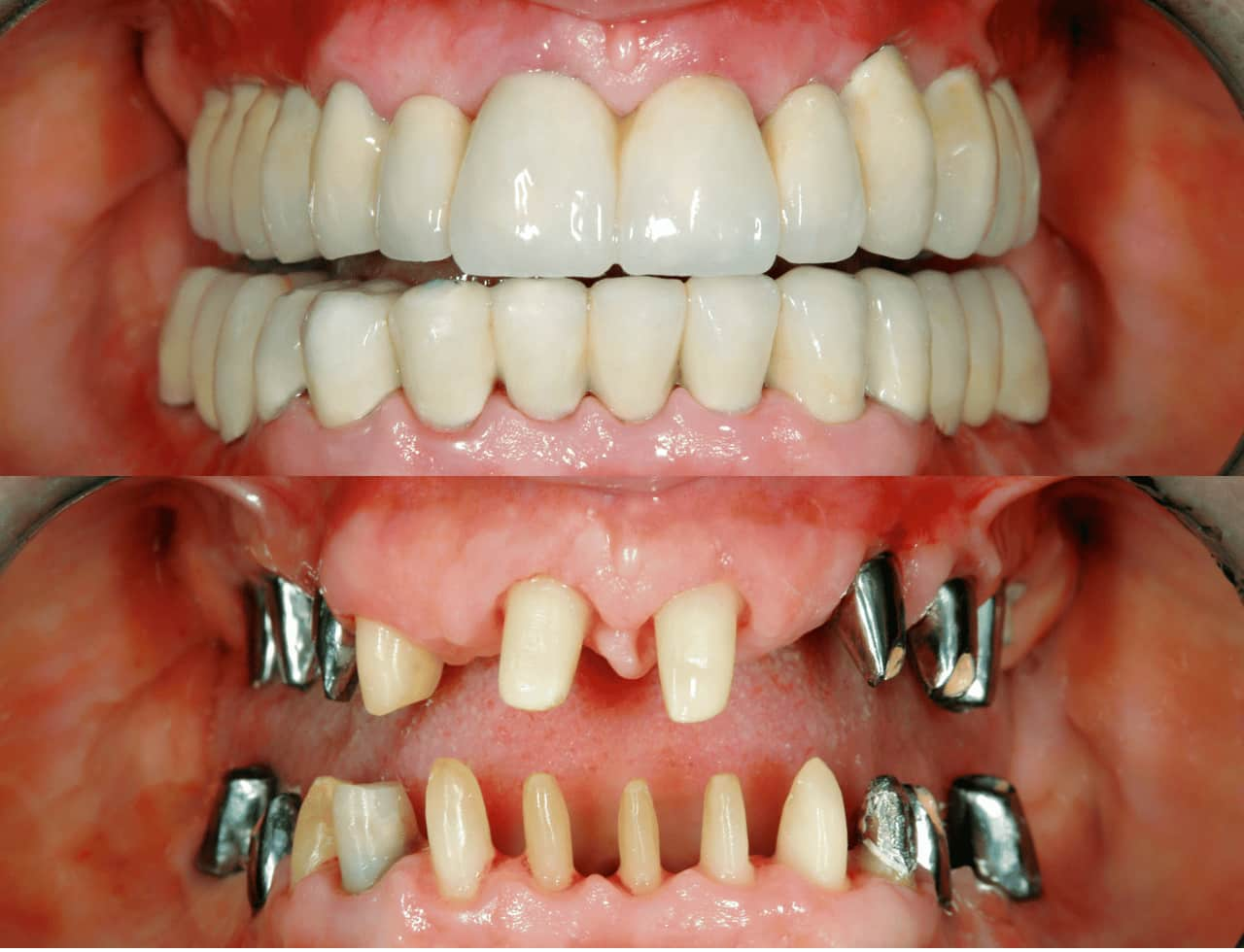
Let's separate fact from fiction so you can make confident, informed decisions about your smile.
Fact: Age alone does not determine whether someone needs full mouth reconstruction.
While older adults are more likely to experience tooth loss or worn restorations, many younger patients also benefit from comprehensive treatment. Years of teeth grinding, severe tooth decay, sports injuries, congenital dental conditions, acid erosion, or traumatic accidents can all create complex oral health problems at almost any age.
Dentists focus on the condition of your teeth, gums, supporting bone, and bite rather than the number of birthdays you've celebrated. Whether you're in your 30s, 40s, 50s, or beyond, the right treatment depends on your individual needs.
Fact: Restoring function is the primary goal, while aesthetics are an added benefit.
Many people confuse full mouth reconstruction with cosmetic dentistry because the final results often look stunning. However, this treatment is primarily designed to rebuild a healthy, functional mouth.
A comprehensive reconstruction can help:
A beautiful smile is certainly part of the outcome, but it begins with restoring a solid, healthy foundation.
Fact: Dental implants are just one of many possible treatment options.
No two full mouth reconstruction plans are identical. While implants are an excellent solution for replacing missing teeth, they are not automatically recommended for everyone.
Depending on your oral health, your customized treatment plan may include:
Your dentist will recommend the combination of treatments that best restores function, comfort, and long-term oral health rather than following a one-size-fits-all approach.
Fact: Modern dentistry makes treatment far more comfortable than many patients expect.
One of the biggest reasons people postpone treatment is fear of pain. Fortunately, advances in dental technology, local anesthesia, and sedation options have transformed the patient experience.
During treatment, patients typically feel little to no discomfort. After individual procedures, mild soreness or sensitivity is common but is usually temporary and manageable with prescribed or over-the-counter medications.
Your dental team will also monitor healing closely and provide detailed aftercare instructions to ensure the recovery process is as smooth and comfortable as possible.
Fact: Treatment timelines vary based on each patient's needs.
Some patients believe they will spend years in the dental chair before seeing results. In reality, the timeline depends on factors such as:
Some patients complete treatment within a few months, while more complex cases may require additional stages to ensure optimal healing and long-term success. Your dentist will explain the expected timeline before treatment begins so you know exactly what to expect.
Fact: A well-planned full mouth reconstruction can provide benefits that last for many years.
The longevity of your results depends largely on the quality of treatment and your commitment to maintaining good oral health.
To maximize the lifespan of your restorations:
With proper care, many restorations used in full mouth reconstruction, including crowns, bridges, and dental implants, can remain functional and attractive for well over a decade, allowing you to enjoy a healthier smile with confidence.
Once you understand the common myths surrounding full mouth reconstruction, it's equally important to know the facts that truly influence your treatment journey. A successful outcome isn't just about replacing damaged teeth. It involves careful planning, advanced technology, and a personalized approach that restores both oral health and everyday function. Here are several key facts every patient should keep in mind before starting treatment.
Understanding these important facts can help you approach full mouth reconstruction with realistic expectations and greater confidence. At Grand Mission Dentistry, every treatment plan is designed to restore lasting oral health, improve daily function, and create natural-looking results that support your smile for the long term.
Choosing the right dental team is one of the most important decisions you'll make when considering full mouth reconstruction. This type of treatment requires careful diagnosis, precise planning, and a coordinated approach to restore both oral function and aesthetics. At Grand Mission Dentistry, every step of your care is designed around achieving predictable, long-lasting results while keeping your comfort and goals at the center of the process.
Here's what sets Grand Mission Dentistry apart:
At Grand Mission Dentistry, treatment is tailored to your specific needs rather than a one-size-fits-all approach. According to our current pricing guide:
The best way to receive an accurate estimate is through a comprehensive consultation, where your dentist can evaluate your oral health, discuss your goals, and create a personalized treatment plan that fits your needs and budget.
Whether you're dealing with multiple damaged teeth, missing teeth, worn restorations, or complex bite issues, Grand Mission Dentistry is committed to helping you regain a healthy, functional, and confident smile. With personalized care, advanced technology, and a patient-first philosophy, you can feel confident knowing your full mouth reconstruction is in experienced hands.
1. What is the difference between full mouth reconstruction and a smile makeover?
A full mouth reconstruction focuses on restoring the health, function, and stability of your entire mouth by addressing issues such as missing teeth, severe wear, bite problems, and gum disease. A smile makeover, on the other hand, primarily improves the appearance of your smile through cosmetic treatments like veneers, teeth whitening, or bonding. While both can enhance aesthetics, full mouth reconstruction is medically driven and often includes restorative procedures.
2. How do I know if I need a full mouth reconstruction?
You may be a candidate for full mouth reconstruction if you have multiple missing or damaged teeth, chronic jaw pain, difficulty chewing, severe tooth wear, advanced decay, gum disease, or several failing dental restorations. A comprehensive dental examination is the best way to determine whether a personalized reconstruction plan is right for you.
3. Is full mouth reconstruction painful?
Most patients experience little to no pain during full mouth reconstruction thanks to modern local anesthesia, advanced techniques, and sedation options when appropriate. Some temporary soreness may occur after certain procedures, but it is typically manageable with medication and proper aftercare.
4. How long does a full mouth reconstruction take?
The treatment timeline varies depending on the complexity of your case and the procedures involved. Some patients complete their reconstruction within a few months, while others requiring dental implants, bone grafting, or staged treatments may need additional time to achieve the best long-term results.
5. Does full mouth reconstruction always include dental implants?
No. Dental implants are only one possible component of a full mouth reconstruction. Depending on your oral health needs, your treatment plan may also include dental crowns, bridges, root canal therapy, periodontal treatment, bite correction, or other restorative procedures. Every treatment plan is customized to restore your smile in the most effective way.
6. How long do the results of full mouth reconstruction last?
With proper oral hygiene, regular dental checkups, and good daily habits, the results of a full mouth reconstruction can last for many years. High-quality restorations such as dental crowns, bridges, and implants are designed for long-term durability, especially when patients follow their dentist's maintenance recommendations.
.jpg)
