
.webp)
A constant dull ache around the jaw joints or in the muscles beside the ears, often worse in the morning after nighttime clenching or after meals that require significant chewing.
TMJ Treatment in Richmond, TX
Non-Surgical Jaw Pain Relief by Dr. William Sung DMD
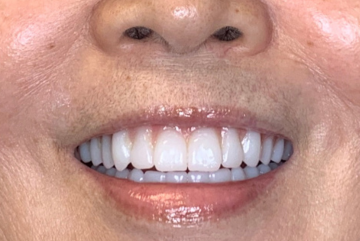

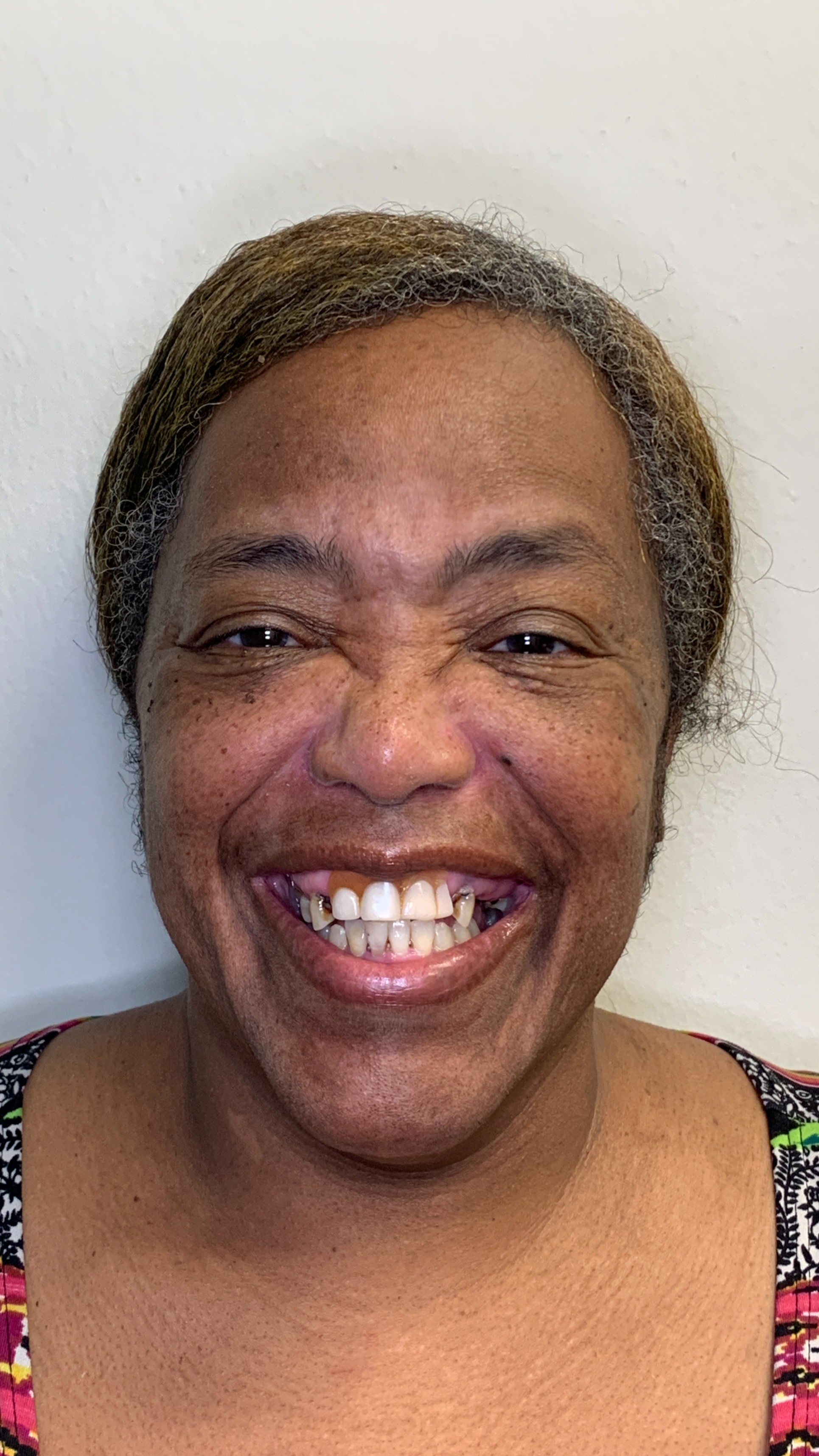
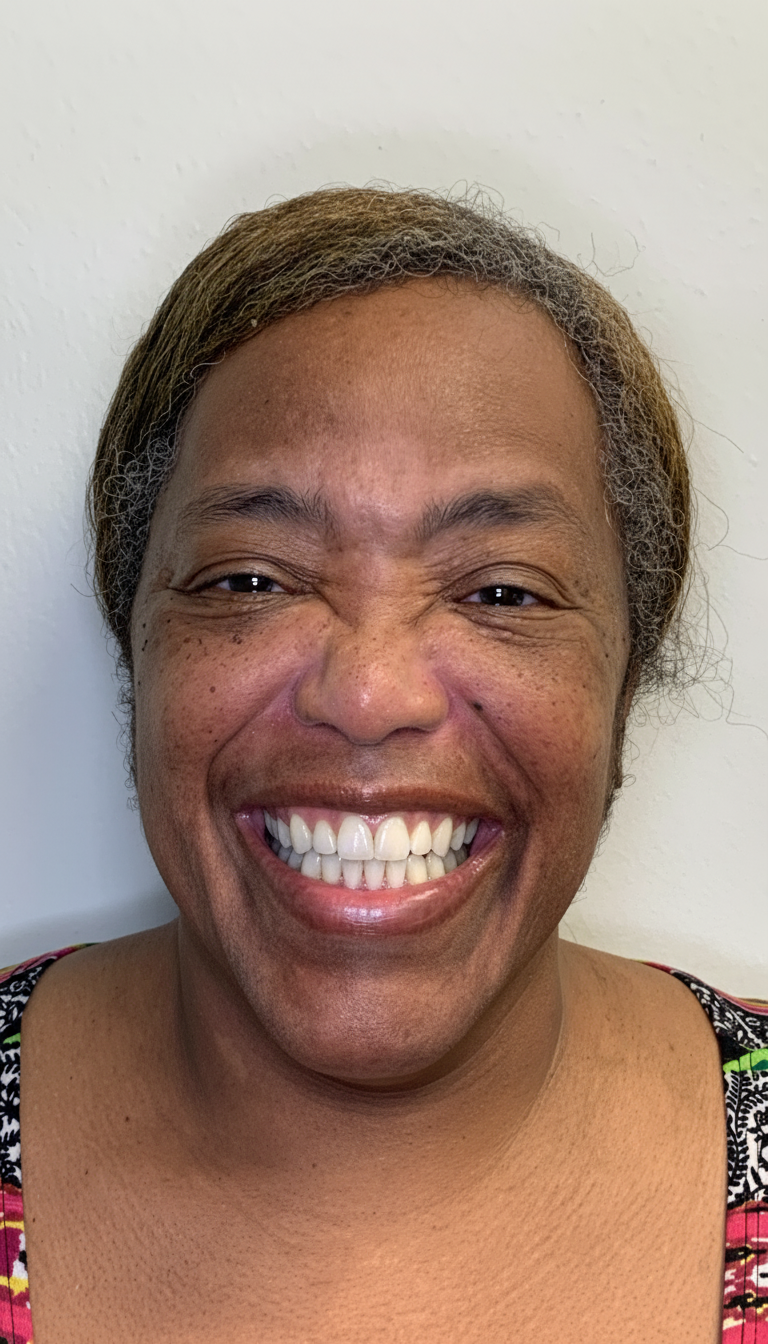
Before
After
TMJ Treatment at Grand Mission
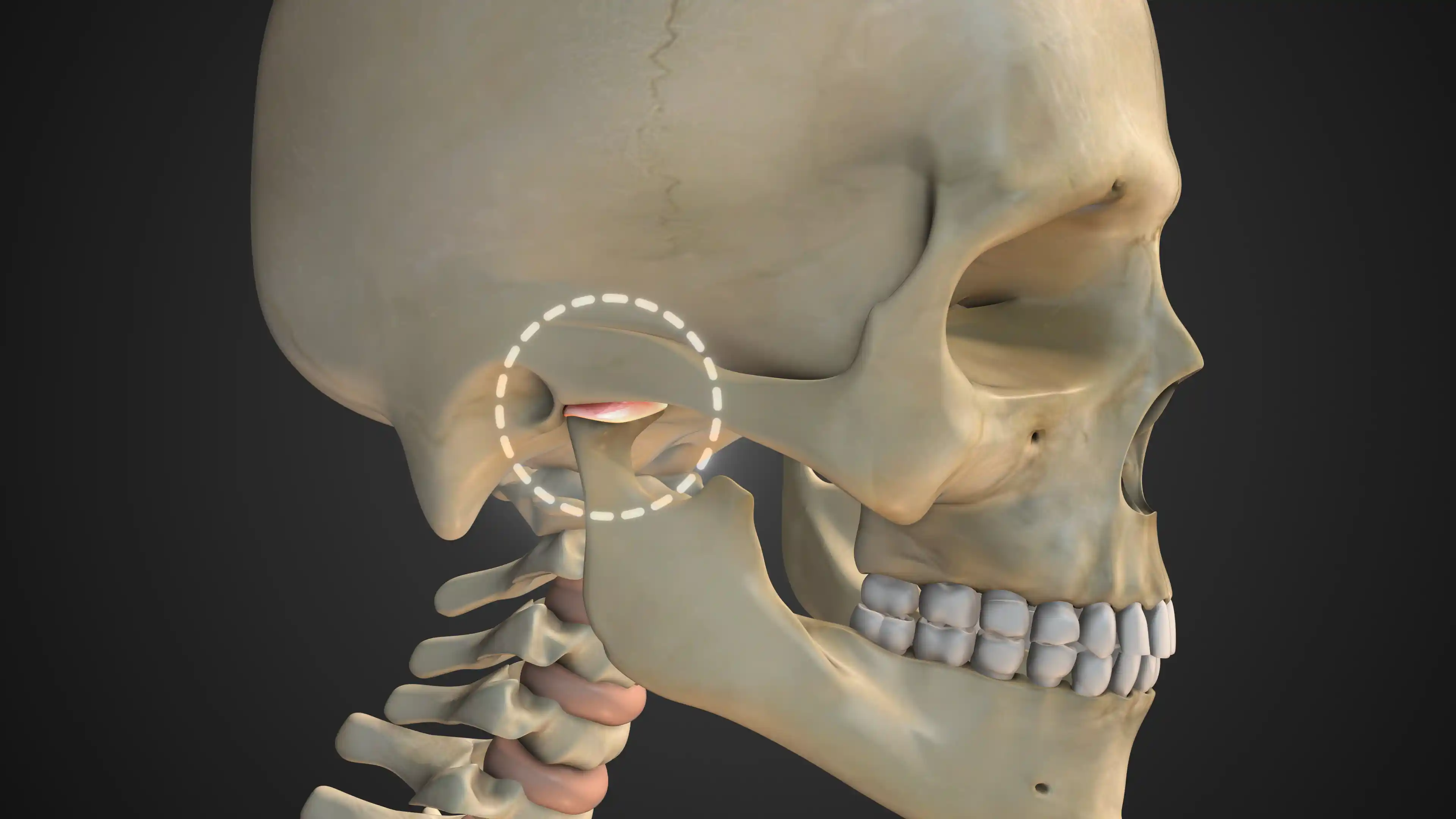
The temporomandibular joint connects your lower jaw to your skull on each side of your head, just in front of your ears. When this joint or the muscles that control it become inflamed, misaligned, or overworked, the result is TMJ disorder, one of the most common causes of chronic facial pain, headaches, and jaw dysfunction. At Grand Mission, Dr. William Sung takes a conservative, non-surgical approach to TMJ treatment because over 95% of cases respond successfully without surgery.

What Is TMJ Disorder?
TMJ disorder, also called TMD, is an umbrella term for more than 30 conditions affecting the jaw joint and the muscles that control jaw movement. It is the most common cause of non-dental facial pain and affects up to 15% of adults. Symptoms range from occasional clicking and mild soreness to chronic pain that disrupts sleep, eating, and concentration. TMD can occur alone or alongside other conditions including headaches, tinnitus, sleep disturbances, and neck pain, which is why it is frequently misdiagnosed or goes untreated for years.
Signs You May Have TMJ Disorder
TMJ disorder rarely presents as a single obvious symptom. Most patients have several of the following, often without connecting them to the jaw.
Audible sounds when opening or closing the mouth occur when the small cartilage disc inside the joint slips out of alignment. When accompanied by pain or increasing frequency, evaluation is warranted.
Restricted jaw opening, less than approximately an inch and a half, or episodes of the jaw locking open or closed indicate muscle spasm, disc displacement, or joint inflammation that needs assessment.
TMJ dysfunction frequently radiates pain upward into the temples, forehead, or behind the eyes, mimicking tension headaches or migraines through overworked jaw muscles and shared nerve pathways.
Because the TMJ sits directly in front of the ear canal, inflammation can cause earache, pressure, tinnitus, or a sensation of plugged ears with no underlying ear condition present.
Chronic jaw strain forces surrounding muscles to compensate. Up to 70% of neck problems may be related to TMJ dysfunction as inflammation spreads from jaw and facial muscles to the neck and shoulders.
What Causes TMJ Disorder?
TMJ disorder is multifactorial. In most patients several contributing factors are present simultaneously.
.svg)
Bruxism
Grinding and clenching, particularly during sleep, overloads the jaw muscles and compresses the joint causing inflammation, micro-tears in muscle fibers, and progressive joint wear. The most common driver of TMJ disorder at Grand Mission.
.svg)
Bite Misalignment
When upper and lower teeth do not fit together properly, the jaw overworks certain muscles and shifts the joint out of its natural position. Invisalign and orthodontic treatment are sometimes part of a comprehensive TMJ plan.

Stress-Induced Muscle Tension
Psychological stress triggers involuntary tightening of the masseter and surrounding jaw muscles, increasing compression on the joint. Patients often clench without realizing it during the day or night.

Jaw or Facial Injury
Sports impacts, car accidents, or any trauma that dislocates the joint, tears ligaments, or damages cartilage can become a source of chronic TMJ inflammation months or years after the original injury.

Arthritis
Both osteoarthritis and rheumatoid arthritis can affect the TMJ. Osteoarthritis wears down the joint cartilage. Rheumatoid arthritis causes systemic inflammation of the joint capsule. Both require specific management approaches.
.svg)
Poor Posture
Forward head posture shifts the lower jaw forward, increasing tension in cervical and jaw muscles and altering joint mechanics in ways that compound over time, particularly in patients who spend long hours at a desk or screen.
TMJ Treatment Options at Grand Mission
Dr. Sung uses conservative, non-surgical approaches for every TMJ case. The right combination depends on your specific diagnosis, symptoms, and lifestyle.
Precision-fitted oral appliances worn during sleep to protect teeth from grinding forces and reposition the jaw into a more relaxed, balanced position. The most commonly prescribed first-line treatment for bruxism-related TMJ disorder. Reduces morning soreness, headaches, and progressive tooth damage simultaneously.
Removable daytime devices that maintain proper jaw positioning and minimize muscle tension throughout the day. Often used alongside night guards for patients with significant daytime clenching or occupational jaw strain.
Gentle reshaping of specific tooth surfaces to correct bite imbalances, redistribute chewing forces more evenly, and reduce strain on the joint. Recommended when occlusal irregularities are identified as a primary contributor.
For patients whose primary issue is sleep bruxism, a custom-fitted night guard is fabricated from precise digital impressions to cushion the teeth, reduce muscle activation during sleep, and protect the joint from repetitive overnight compression.
Targeted stretching and strengthening exercises improve jaw mobility, reduce stiffness, and restore muscle balance. Combined with posture correction, stress reduction techniques, and ergonomic adjustments, these form the behavioral foundation of every TMJ treatment plan.
How Much Does TMJ Treatment Cost in Texas?
| Treatment | Estimated Cost Range | Notes |
|---|---|---|
| Comprehensive TMJ evaluation | $150 to $300 | Includes imaging and bite analysis |
| Custom night guard | $400 to $800 | Precision-fitted to your specific bite |
| Occlusal splint | $300 to $700 | Daytime appliance |
| Bite adjustment | $200 to $500 | Per session, depends on extent |
| Full treatment plan | $600 to $1,500+ | Varies by complexity and duration |
What Leaving TMJ Disorder Untreated Is Actually Doing
TMJ disorder does not resolve on its own in most cases. Left untreated, the symptoms worsen and the consequences extend well beyond jaw pain.
Health Risk Sources

NIH/NIDCR. "Chronic temporomandibular disorder patients had markedly impaired sleep quality than healthy controls." Study results published March 14, 2022. https://mhnpc.com/2023/01/23/sleep-quality-decline-in-patients-with-painful-tmd/
Durham J, Aggarwal VR, Davies SJ, et al. "Temporomandibular disorders: A review of current concepts in aetiology, diagnosis and management." PMC (2021). https://pmc.ncbi.nlm.nih.gov/articles/PMC8631581/
Valley Creek Dental Care. "Do You Know Untreated TMJ Affects Your Brain And Entire Body." January 2023. Citing research with 17 TMJ patients and 17 healthy controls. https://valleycreekdentalcare.com/blog/2023/1/23/do-you-know-untreated-tmj-affects-your-brain-and-entire-body
National Institute of Dental and Craniofacial Research. "TMD (Temporomandibular Disorders)." NIDCR. https://www.nidcr.nih.gov/health-info/tmd
The TMJ Treatment Process at Grand Mission
Comprehensive Evaluation
Your first appointment includes a detailed review of your medical and dental history, symptom discussion, and a hands-on examination of jaw range of motion, muscle tenderness, joint sounds, and bite relationship. Digital X-rays and CBCT 3D imaging provide additional insight into joint structure and bone health.
Computerized Bite Analysis
Dr. Sung uses computerized bite analysis to measure how your upper and lower teeth contact each other and identify any occlusal imbalances that may be contributing to joint strain or muscle overload.
Personalized Treatment Plan
Based on all diagnostic findings, Dr. Sung designs a customized treatment plan that addresses your specific contributing factors. He explains every recommended treatment, why it is appropriate for your case, and what to expect in terms of timeline and outcome before you commit to anything.
Treatment Delivery
Most TMJ treatments at Grand Mission are completed in one to three appointments. Custom appliances are fabricated from precise impressions and fitted with adjustments until the fit and jaw position are exactly right.
Follow-Up and Long-Term Maintenance
Regular follow-up appointments monitor your progress, allow for appliance adjustments as needed, and confirm that symptoms are resolving on the expected timeline. Most patients notice significant improvement within four to six weeks.
why patients choose grand mission dentistry for TMJ Treatment
CBCT 3D Imaging for Precise Diagnosis
Grand Mission uses cone beam CT scanning to evaluate the exact structure and position of the temporomandibular joint in three dimensions. This level of diagnostic detail means treatment is targeted to the actual source of dysfunction, not an assumption.

Non-Surgical Solutions for Over 95% of Cases
Surgery is a last resort, not a first response. Dr. Sung's TMJ treatment approach uses custom oral appliances, bite adjustment, and guided jaw exercises to resolve the overwhelming majority of cases without any surgical intervention.
Treating the Cause, Not Just the Symptoms
Pain medication masks the problem. Conservative TMJ treatment at Grand Mission addresses the bite imbalances, muscle overload, and joint stress driving the disorder so symptoms resolve at the source and do not return.
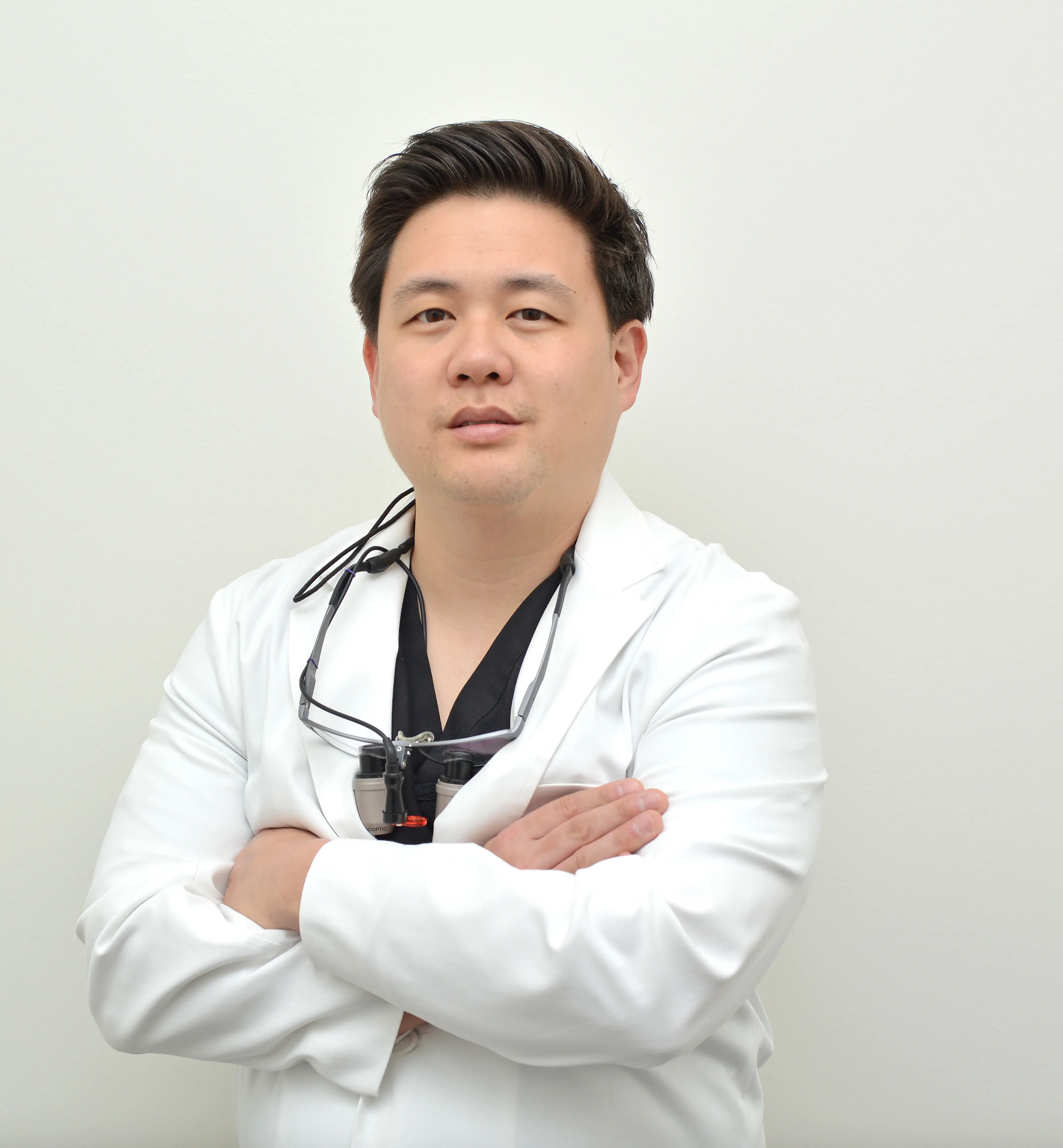
Dr. William Sung DMD
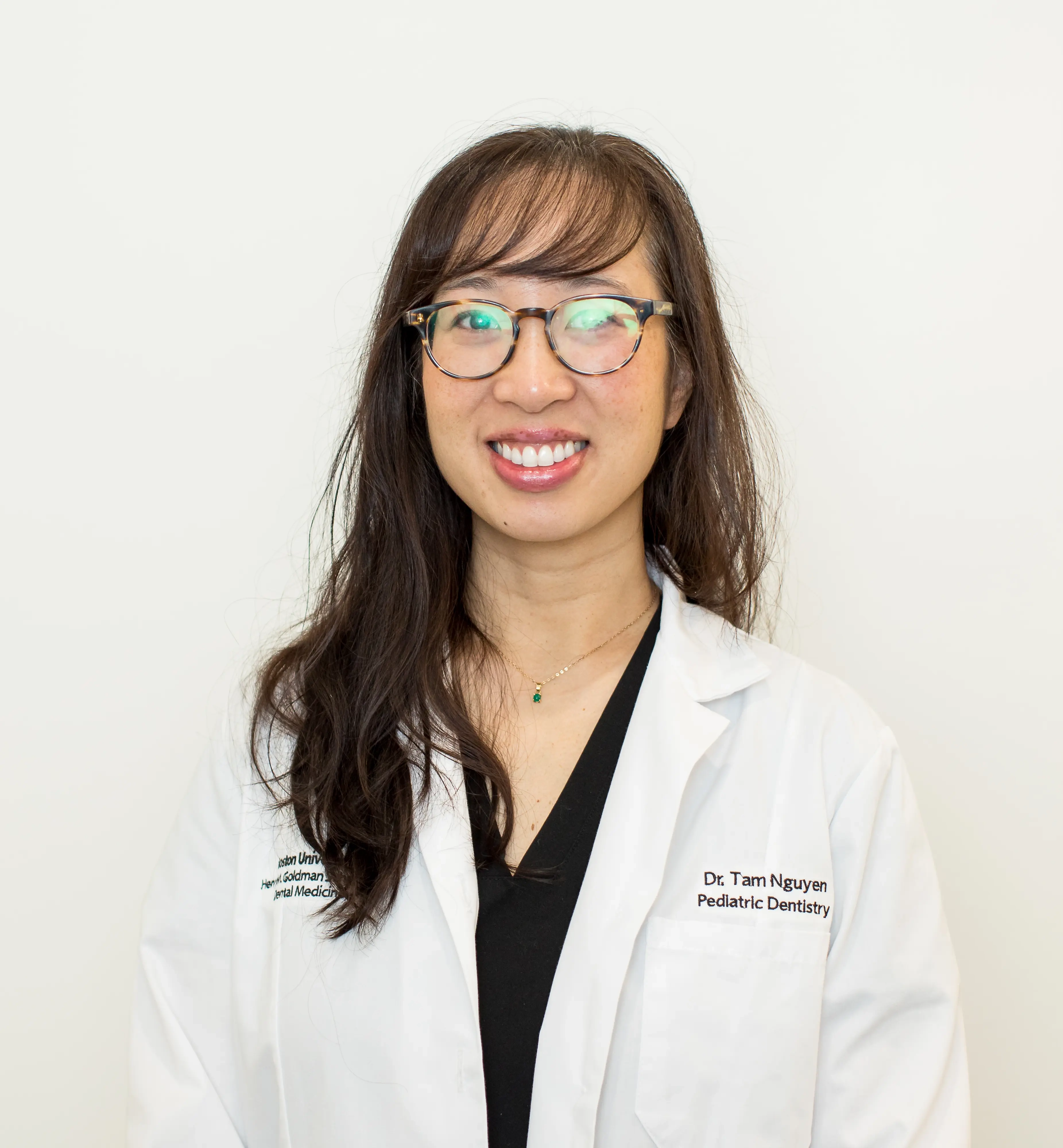
Dr. Tam Nguyen DMD
.webp)
Dr. Van Nguyen DDS
Flexible Financing for Every Budget
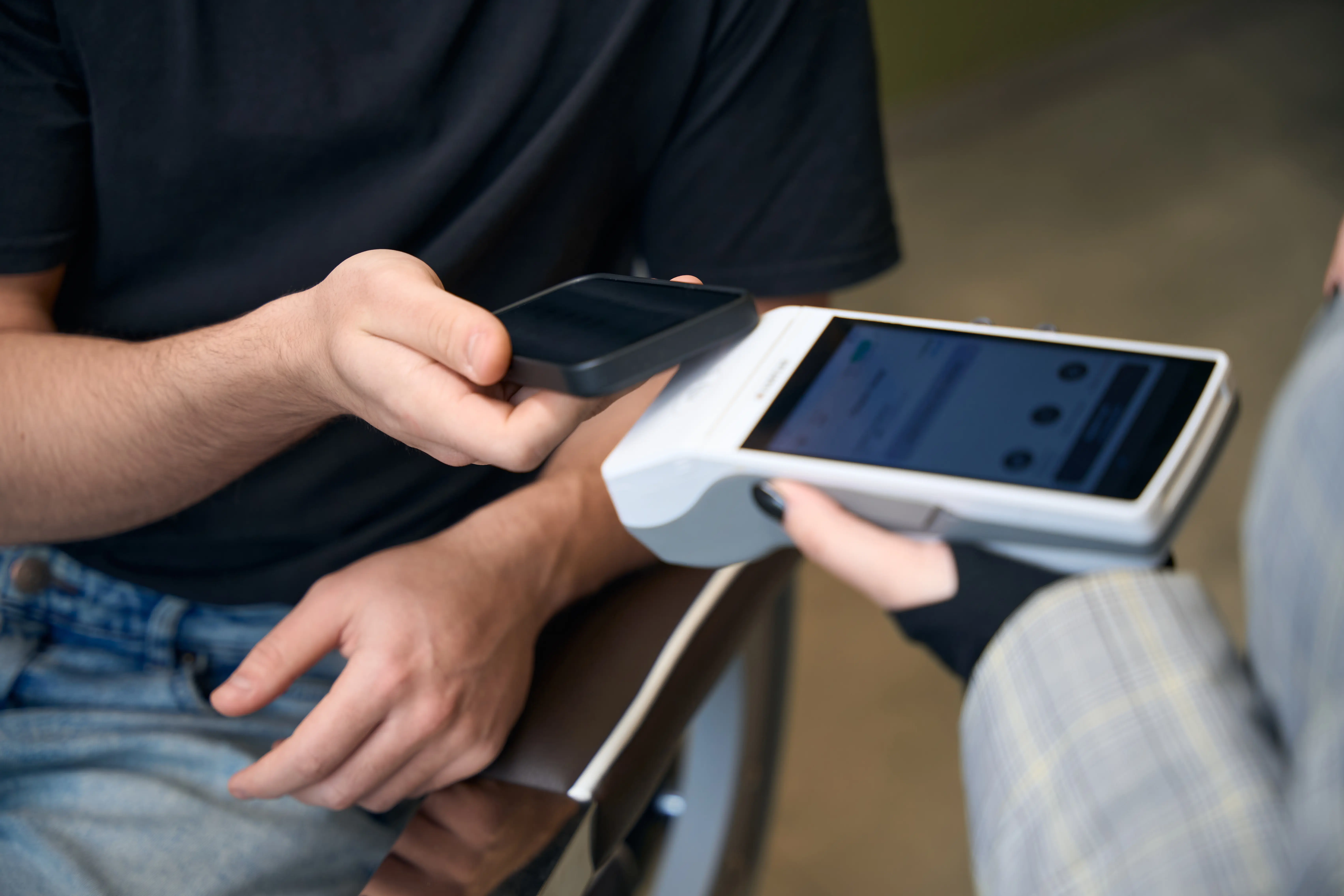
We accept most major PPO dental insurance plans and welcome HSA and FSA payments. For costs beyond coverage, flexible financing through Cherry offers 0% APR options for qualified patients, making it easy to break treatment into manageable monthly payments.

New Patient Special!
Starting at
$189
get
Comprehensive exam
X-Rays
Cleaning
Full Treatment Plan
(Cannot be combined with insurance, new patients only, not valid in cases of periodontal disease.)
.webp)
FREE Second Opinion
Special Price
FREE
get
No cost, no pressure — get an honest evaluation without feeling rushed or sold to
Clear answers you can trust — we review your diagnosis, options, and next steps
Confidence before treatment — make informed decisions about your dental health
Frequently Asked Questions About TMJ treatment
How long until I see results from TMJ treatment?
Most patients notice significant improvement within four to six weeks of beginning treatment. Complete resolution depends on the severity of the condition and consistent adherence to the treatment plan. Dr. Sung monitors your progress at follow-up appointments and adjusts the plan as needed.
Is TMJ treatment covered by insurance?
Many dental insurance plans include coverage for TMJ treatments, particularly custom oral appliances and diagnostic imaging. Some medical insurance plans also contribute when TMJ disorder is documented as medically necessary. Our team verifies your specific benefits before your first appointment.
Will I need surgery for TMJ disorder?
Over 95% of TMJ cases respond successfully to conservative, non-surgical treatment. Surgery is only considered in rare, severe situations after all conservative options have been exhausted. Dr. Sung's approach is built around avoiding irreversible interventions wherever possible.
What is the difference between a night guard and an occlusal splint?
A night guard is worn during sleep to protect teeth from grinding and reposition the jaw. An occlusal splint is typically a daytime device that maintains proper jaw positioning and reduces muscle tension throughout the day. Many patients with significant TMJ disorder benefit from both.
Can TMJ disorder cause headaches?
Yes. TMJ dysfunction is one of the most commonly missed causes of chronic headaches and migraines. Overworked jaw muscles send pain signals along shared nerve pathways that radiate into the temples, forehead, and behind the eyes. Many patients who have been treated for headaches for years find significant relief once their TMJ disorder is properly diagnosed and treated.
How much does TMJ treatment cost in Texas?
Most TMJ treatment plans at Grand Mission range from $600 to $1,500 depending on the complexity of the case and the number of treatments involved. Custom night guards range from $400 to $800. Many insurance plans contribute toward these costs. Our team provides a complete cost estimate before you commit to anything.
Related Services
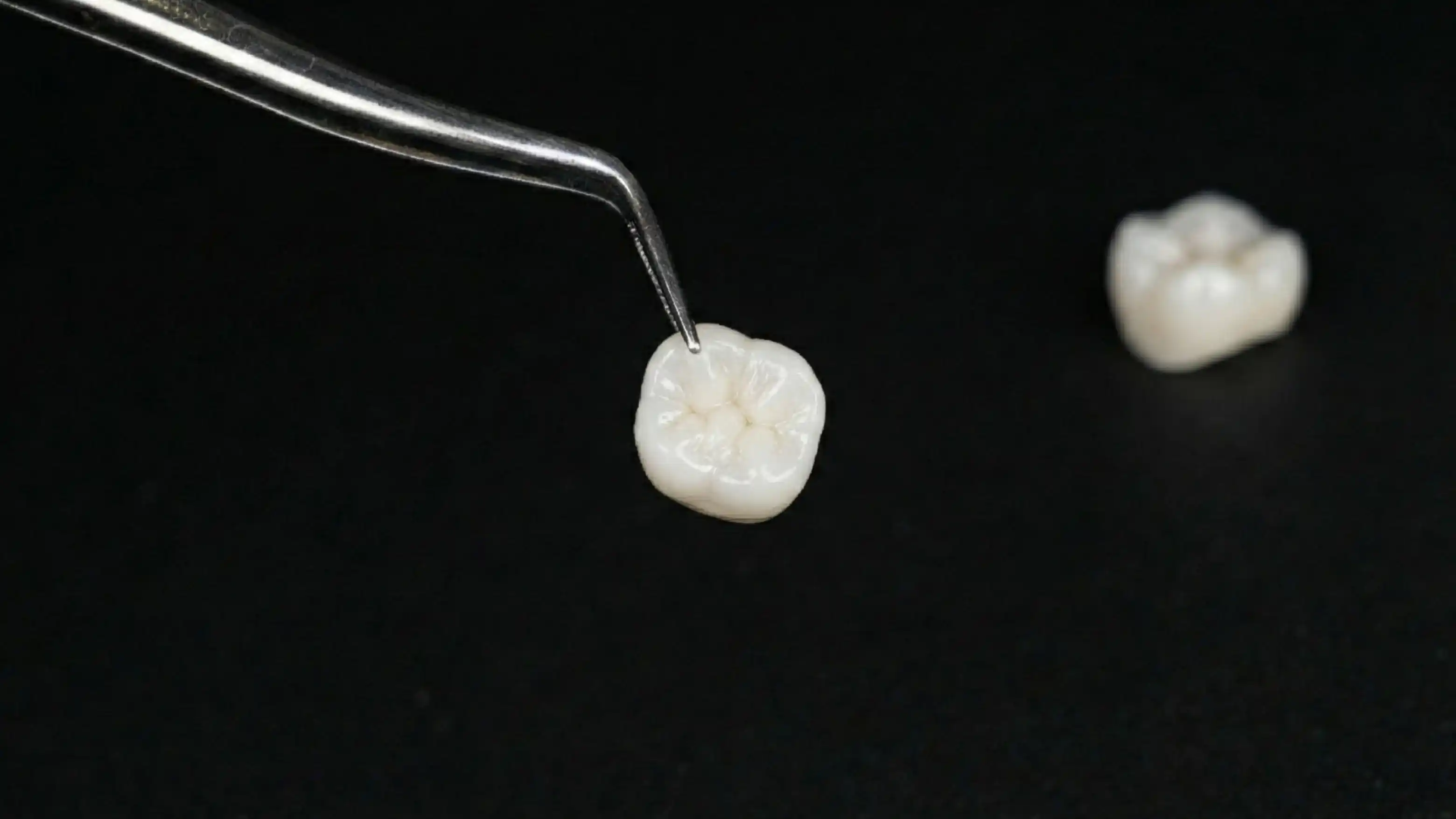
Dental Crowns
When TMJ-related grinding has caused significant tooth damage, crowns restore worn or fractured teeth to their natural height and protect them from further damage.
Learn More about Dental Crowns

Invisalign
When bite misalignment is contributing to TMJ disorder, Invisalign corrects tooth positioning as part of a comprehensive treatment approach. Dr. Sung evaluates whether orthodontic treatment is appropriate for your specific case.
Learn More about Invisalign
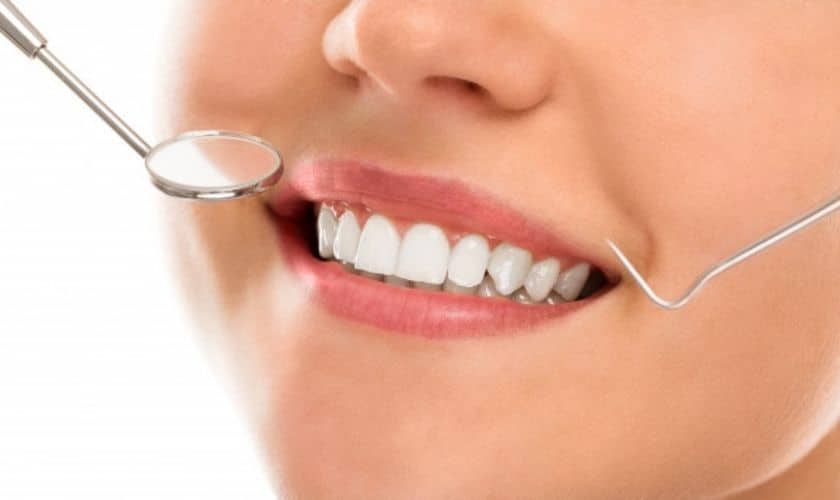
Oral and Gum Care
Chronic bruxism and TMJ-related grinding create gum recession and bone stress that needs monitoring. Regular gum assessments are an important part of long-term TMJ management.
Learn More about Oral and Gum Care
Your confident smile
Is our guide
Schedule your appointment today
Jaw pain, chronic headaches, and disrupted sleep are not things you have to live with. Over 95% of TMJ cases resolve with conservative, non-surgical treatment when caught and addressed early. Dr. Sung is ready to evaluate your jaw, identify the source of your symptoms, and build a plan that actually fixes the problem.