
.webp)
.webp)
Failing Dental Implants at Grand Mission
Dental implants have a success rate above 95%, but problems can and do develop, sometimes soon after placement and sometimes years later. Pain, looseness, swelling, or a crown that just does not look right are all signs worth taking seriously. The most important thing to know is that most failing implants can be treated, preserved, or replaced successfully when the problem is caught and addressed early. Dr. William Sung evaluates failing implants placed here and elsewhere, identifies the root cause, and gives you an honest assessment of your options before recommending anything.
Why Dental Implants Fail
Implant failure is rarely caused by a single factor. Understanding the cause is the first step to finding the right solution.
Peri-Implantitis
The most common cause of late implant failure. Bacteria accumulate around the implant causing inflammation in the surrounding gum tissue and progressive bone loss. Left untreated it becomes increasingly difficult to manage and can result in implant loss.
Insufficient Bone Support
If the implant site did not have adequate bone density at placement, or if bone loss has occurred since, the implant may lack the structural foundation needed for long-term stability.
Excessive Bite Forces
Grinding or clenching creates micro-movements at the implant site that interfere with osseointegration and can cause bone loss over time. A nightguard is often part of the long-term management plan for these patients.
Poor Oral Hygiene
Plaque buildup around the implant drives inflammation. Patients who struggle to clean around their implant effectively are at higher risk for peri-implantitis and progressive complications.
Medications and Medical History
SSRIs, bisphosphonates, corticosteroids, and other medications can interfere with bone healing and osseointegration. Systemic conditions including diabetes and osteoporosis are also documented risk factors. This is why your complete medical history matters before and after implant placement.
Appearance and Positioning Problems
Poor implant positioning or esthetic issues, including crowns that do not match neighboring teeth, gum recession exposing the post, or implants placed at an angle, are often overlooked causes of patient dissatisfaction and long-term complications.
What Happens When a Failing Implant Goes Untreated
Peri-implantitis does not pause. Every month without treatment means more bone loss and fewer options.
Health Risk Sources

- Windael S, Collaert B, De Buyser S, De Bruyn H, Vervaeke S. "Early peri-implant bone loss as a predictor for peri-implantitis: A 10-year prospective cohort study." Clinical Implant Dentistry and Related Research vol. 23,3 (2021): 298-308. doi:10.1111/cid.13000. https://pubmed.ncbi.nlm.nih.gov/34076941/
- Serroni M, Borgnakke WS, Romano L, et al. "History of periodontitis as a risk factor for implant failure and incidence of peri-implantitis: A systematic review, meta-analysis, and trial sequential analysis of prospective cohort studies." Clinical Implant Dentistry and Related Research vol. 26,3 (2024): 482-508. doi:10.1111/cid.13330. https://pubmed.ncbi.nlm.nih.gov/38720611/
- Adiatman M, et al. "The Etiology and Management of Dental Implant Failure: A Review." PMC. https://pmc.ncbi.nlm.nih.gov/articles/PMC9674049/
- Staedt H, et al. "Treatment strategies for dental implant removal: A literature review." PMC (2024). https://pmc.ncbi.nlm.nih.gov/articles/PMC11497076/
How Grand Mission Treats Failing Implants
Every failing implant case is different. The right solution depends entirely on what is causing the problem.

Preserve the Existing Implant
When the implant is still structurally sound but surrounded by inflamed or infected tissue, targeted treatment to remove bacteria, reduce inflammation, and restore gum health can stabilize the implant and stop further deterioration.
.png)
Bone and Gum Grafting
When bone or gum loss has occurred around the implant, grafting procedures rebuild the foundation. Grand Mission offers PRF therapy and bone grafting in house to restore the support structure around a compromised implant.
Crown Replacement or Gum Reshaping
When the implant post is stable but the crown looks wrong, mismatched, or uncomfortable, a new custom crown or gum reshaping can resolve the esthetic issue completely without touching the implant itself.
What Happens at Your Evaluation

Comprehensive 3D Imaging
Dr. Sung uses cone beam CT imaging to assess the bone levels, tissue condition, and structural integrity around the implant in precise detail. This imaging reveals what X-rays alone cannot show.
Honest Assessment of Your Options
Dr. Sung reviews the imaging with you, explains what he finds, and walks you through every realistic option, including whether the implant can be saved, what preparation would be needed for replacement, and what the timeline and cost of each path looks like.
A Treatment Plan Built Around Your Situation
Every failing implant case is different. Your plan is based on your specific anatomy, the cause of the problem, your overall health, and your goals. Nothing is recommended unless it is the right call for your case.
Why Patients With Failing Implants Choose Grand Mission

we Evaluate Implants Placed Elsewhere
You do not have to go back to the practice that placed your implant. Dr. Sung reviews implants placed by any provider, evaluates the cause of the problem honestly, and gives you a clear second opinion with no obligation.

Full In-House Treatment Capability
Bone grafting, PRF therapy, gum regeneration, crown replacement, and new implant placement are all available at Grand Mission. Whatever your situation requires, it is handled under one roof by the same doctor.

Failure Does Not Mean You Cannot Have Implants
Many patients who have experienced implant failure go on to have outstanding long-term results once the underlying problem is identified and resolved. Dr. Sung evaluates your candidacy for a new implant honestly and without assumption.

Dr. William Sung DMD

Dr. Tam Nguyen DMD
.webp)
Dr. Van Nguyen DDS
Flexible Financing for Every Budget

We accept most major PPO dental insurance plans and welcome HSA and FSA payments. For costs beyond coverage, flexible financing through Cherry offers 0% APR options for qualified patients, making it easy to break treatment into manageable monthly payments.

New Patient Special!
Starting at
$189
get
Comprehensive exam
X-Rays
Cleaning
Full Treatment Plan
(Cannot be combined with insurance, new patients only, not valid in cases of periodontal disease.)
.webp)
FREE Second Opinion
Special Price
FREE
get
No cost, no pressure — get an honest evaluation without feeling rushed or sold to
Clear answers you can trust — we review your diagnosis, options, and next steps
Confidence before treatment — make informed decisions about your dental health
Frequently Asked Questions About failing dental implants
What causes a dental implant to fail?
The most common causes are peri-implantitis, insufficient bone support, excessive bite forces from grinding or clenching, poor oral hygiene, certain medications including SSRIs and bisphosphonates, and systemic conditions like diabetes. In some cases, poor implant positioning or esthetic problems are the primary concern. Dr. Sung identifies the specific cause before recommending any treatment.
What are the symptoms of a failing dental implant?
Ongoing pain or tenderness, swelling, redness, discharge, a loose feeling, difficulty chewing, gum recession exposing the metal post, or a crown that looks mismatched or out of position. If something feels or looks wrong, book an evaluation. Early detection consistently leads to better outcomes.
Can a failing dental implant be saved?
Often yes. When the implant post is still structurally integrated and the issue is related to surrounding tissue, infection, or esthetic problems, targeted treatment can stabilize and preserve the implant. When the implant itself has lost integration, removal and replacement after proper site healing is the path forward.
Is it painful to have a failing implant evaluated or removed?
Evaluation is non-invasive. If removal is needed, it is performed under local anesthesia or sedation and is typically less uncomfortable than patients expect. Most patients are surprised by how straightforward the process is once they commit to addressing the problem.
What happens if I ignore a failing implant?
Progressive bone loss continues and accelerates, narrowing your future treatment options significantly. An implant that could have been saved with early intervention may require removal, grafting, and a longer, more complex path to replacement. Acting early always preserves more options.
Can I get a new implant after failure?
Yes. Implant failure does not disqualify you from future treatment. Many patients have outstanding outcomes after the underlying cause is resolved and the site is properly prepared. Dr. Sung evaluates each case individually and gives you an honest assessment of your candidacy.

Related Services

Bone Grafting and Regeneration
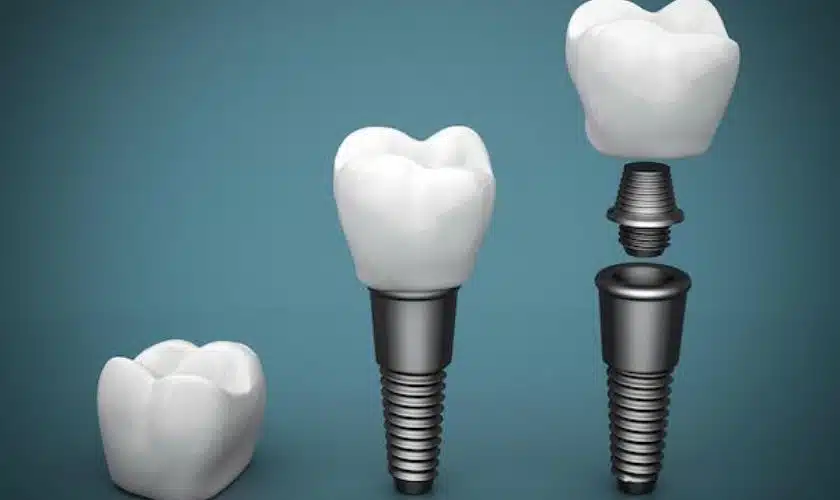
When bone loss has occurred around a failing implant, grafting rebuilds the foundation needed for a successful replacement or to stabilize the existing implant.
Learn More about Bone Grafting
Gum and Periodontal Care
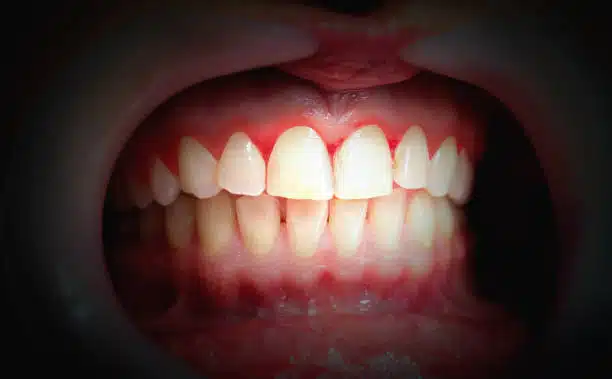
Peri-implantitis is closely related to gum disease. Treating the underlying periodontal condition is often an essential step in resolving implant complications.
Learn More about Gum and Periodontal Care
All-on-X Implants
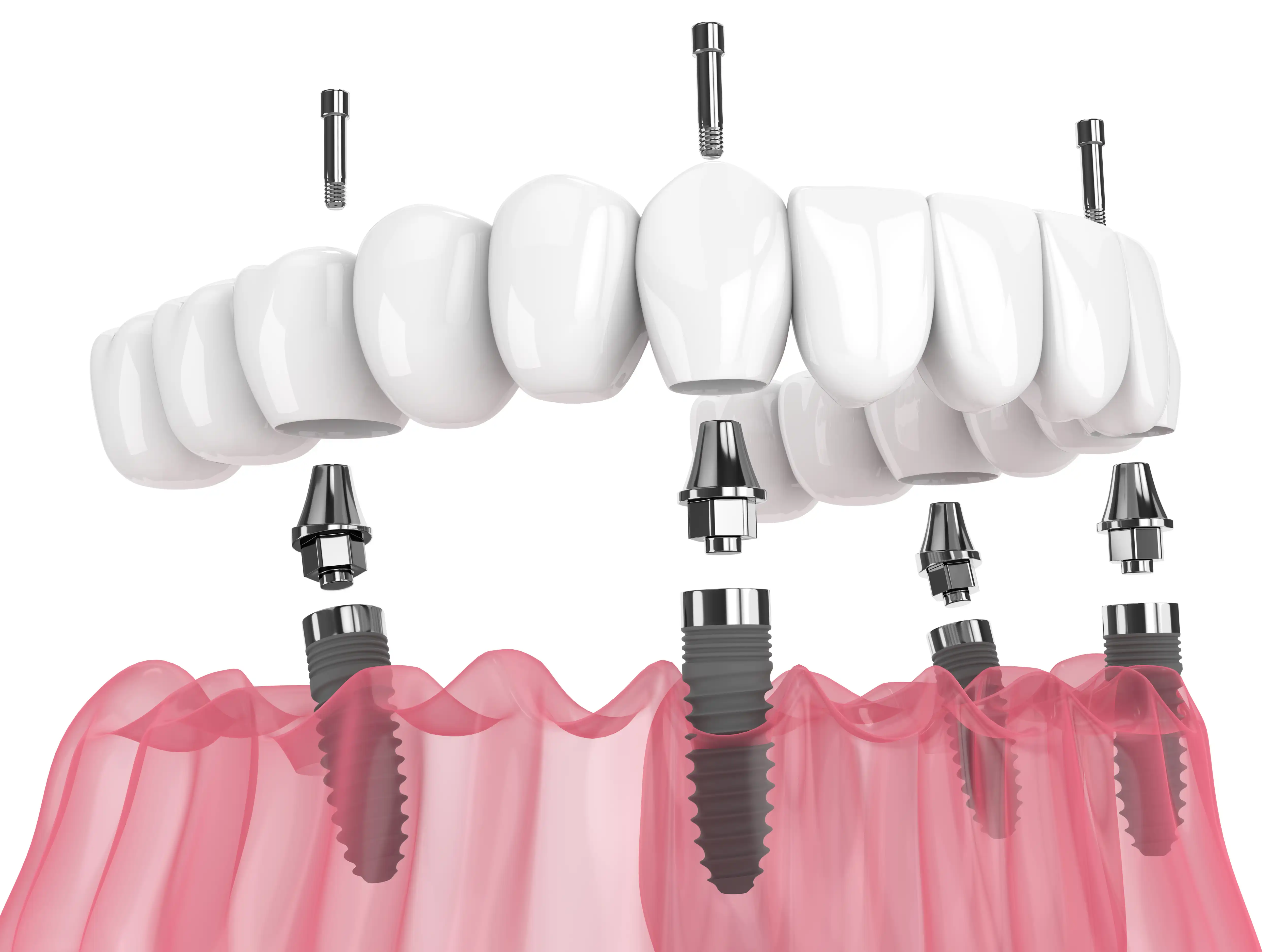
For patients with multiple failing implants or failing full arch restorations, All-on-X may be the most appropriate long-term solution.
Learn More about All-on-X Implants
Your confident smile
Is our guide
Schedule your appointment today
If something about your implant does not feel or look right, you deserve a straight answer from someone who will evaluate the situation honestly. Dr. Sung is ready to review your case, tell you exactly what he finds, and show you every realistic path forward.