
Find Out If You Qualify for Dental Implants
All posts
General Dentistry
10 Essential Steps for Preventive Dentistry at Grand Mission Dentistry

Published on:
April 22, 2024
Just like keeping your car running with routine check-ups and oil changes, taking care of your teeth is important for general health. At Grand Mission Dentistry, we believe in empowering our patients with the knowledge and tools to prevent dental problems before they arise. From twice-yearly cleanings to a daily oral hygiene routine, here are 10 important steps for preventive dental care that will help keep your smile healthy and vibrant for years to come.
Key Takeaways:
- Regular dental visits: Scheduling regular exams and cleanings at Grand Mission Dentistry can help prevent dental problems before they start.
- Brush and floss day-to-day: Good oral hygiene habits like brushing twice a day and flossing can prevent cavities and gum disease.
- Use fluoride toothpaste: Fluoride strengthens tooth enamel and helps prevent cavities.
- Watch your diet: Limiting sugary foods and drinks can help prevent cavities and keep your mouth healthy.
- Use a mouthguard: If you participate in sports or grind your teeth at night, wearing a mouthguard can protect your teeth from damage.
Regular Dental Checkups
Regular dental exams are key to good oral health and to catching problems early. We recommend visiting Grand Mission Dentistry at least every six months for a thorough exam and professional cleaning.
During your checkup, our dentists assess the health of your teeth, gums, and whole mouth. This helps catch early signs of problems such as cavities, gum disease, or oral cancer.
One of the biggest risks of skipping regular exams is that problems can progress without symptoms until serious damage has been done. Keeping these appointments helps you avoid that and keep a healthy smile.
Professional cleanings at your visits also remove plaque and tartar buildup that everyday brushing and flossing may miss. This helps prevent tooth decay and gum disease and keeps your mouth in good shape.
Don’t underestimate the value of regular check-ups at Grand Mission Dentistry. Preventive care now can save you from costly and uncomfortable treatment later. Schedule your next appointment today and take control of your oral health.
Correct Brushing Technique
It may seem simple, but correct brushing technique is important for good oral health. Brushing the right way removes plaque and food particles, lowering the risk of cavities and gum disease.
Start with a soft-bristled toothbrush that fits comfortably in your mouth and reaches all surfaces of your teeth. Hold the brush at a 45-degree angle to your gums and use gentle, circular motions to clean the front, back, and chewing surfaces of each tooth.
Brush for at least 2 minutes, twice a day, with a fluoride toothpaste to strengthen enamel and protect against decay. Don’t forget to brush your tongue to remove bacteria and freshen your breath.
Replace your toothbrush every three to four months, or sooner if the bristles become frayed. An old, worn toothbrush cleans less well.
Correct brushing technique is a cornerstone of preventive dentistry. Brushing properly each day can improve your dental health and reduce the need for costly and painful treatment later on. Your smile will certainly thank you for it!
Daily Flossing Habit
Some people underestimate daily flossing, but it is a crucial step in maintaining good dental health. Flossing removes plaque and food particles your toothbrush can’t reach, helping prevent cavities and gum disease.
Flossing also helps stop tartar buildup between teeth. Tartar can only be removed by a dental professional and can lead to bigger problems if left untreated. Flossing daily reduces tartar buildup and keeps your teeth and gums healthy.
Skipping daily flossing can also lead to gum disease. When plaque builds up along the gumline, it can cause inflammation and infection that may lead to gum recession and even tooth loss. Adding flossing to your daily routine is a simple, effective way to protect your gums and overall oral health.
On a positive note, regular flossing also contributes to fresher breath and a brighter smile. Removing debris from between your teeth reduces bad breath and improves the look of your smile. It’s a small effort that makes a big difference.
Make daily flossing a non-negotiable part of your routine. Your dentist at Grand Mission Dentistry can show you the correct technique and suggest the best products to use. A couple of minutes of flossing each day goes a long way toward preventing problems and keeping your smile healthy.
Fluoride Toothpaste Usage
Now that you know the value of routine cleaning, let’s look at the importance of using fluoride toothpaste for preventive care. Fluoride is a mineral known for its ability to prevent cavities and strengthen enamel. As part of your daily routine, fluoride toothpaste is a powerful tool for good oral health.
Fluoride works by remineralizing the enamel of your teeth, making them more resistant to acid attacks from plaque and sugars. This helps prevent cavities and supports overall dental health. It is especially important for people at higher risk of cavities, such as children, older adults, and people with poor oral hygiene habits.
When choosing a fluoride toothpaste, look for products accepted by dental associations and containing at least 1000 parts per million (ppm) of fluoride. It is very important to use the correct amount of toothpaste: a pea-sized amount is enough for adults, and a smear the size of a grain of rice is recommended for children under three (a pea-sized amount from ages three to six) to limit swallowed fluoride.
Consistency is key. Make it a habit to brush at least twice a day with fluoride toothpaste for the best protection against cavities. This simple step can make a big difference in the long-term health of your teeth.
Healthy And Balanced Diet
Preventive dentistry starts with a healthy diet. What you eat directly affects your dental and overall health. A diet rich in nutrients and low in sugary and acidic foods greatly benefits your oral health.
Sugary and acidic foods are the most harmful to your teeth. Sodas, candy, and sugary snacks can lead to cavities and enamel erosion. Limit these and choose healthier options instead.
Foods that support oral health include fruits, vegetables, lean proteins, and dairy products. They provide minerals and vitamins that help strengthen your teeth and gums.
Incorporating calcium-rich foods like milk, cheese, and yogurt in your diet can help strengthen your teeth and bones. Drinking water also helps rinse away food particles and lowers the risk of cavities.
A balanced diet benefits not only your oral health but your overall health as well. Small changes and healthier choices can help prevent dental problems and keep your smile healthy for years to come.
Limit Sugary Foods
Limiting sugary foods is essential for good oral health. Sugar feeds harmful bacteria in the mouth, which can cause cavities, gum disease, and other problems.
High sugar intake weakens enamel, the protective outer layer of the teeth, making them more prone to decay. Limiting sugary foods and drinks lowers that risk.
Instead of candy, soft drinks, and other sugary treats, choose healthy snacks like fruits, nuts, and vegetables. Drinking water instead of sweetened drinks also helps keep your teeth healthy and prevent cavities.
Prevention is key to good dental health. By limiting sugary foods and practicing good oral hygiene, you can protect your teeth and gums and enjoy a healthy smile for years to come.
Dental Sealants Consideration
Unlike fillings and crowns, dental sealants are a preventive treatment that protects teeth from cavities. They are a clear plastic coating applied to the chewing surfaces of molars and premolars to seal the grooves and pits where decay often begins. The treatment is quick and painless and can lower the risk of cavities.
The main benefit of sealants is cavity prevention. The sealant acts as a barrier that keeps food particles and bacteria out of the deep grooves of the teeth. This is especially important for children and teens, who may be more prone to cavities because of their eating and oral hygiene habits.
Without sealants, the back teeth stay more vulnerable to decay. Molars and premolars have deep grooves that are hard to clean properly, and these hard-to-reach areas can become a haven for bacteria that cause cavities.
Sealants can also save time and money. Preventing cavities means avoiding more involved and costly treatment such as fillings or root canals. It is a smart investment in long-term oral health.
Overall, sealants are a widely recommended way to protect teeth from decay, especially molars and premolars. Ask your dentist at Grand Mission Dentistry whether sealants are a good option for you or your children. It is a simple, effective way to keep a healthy smile for years to come.
Mouthguard for Sports
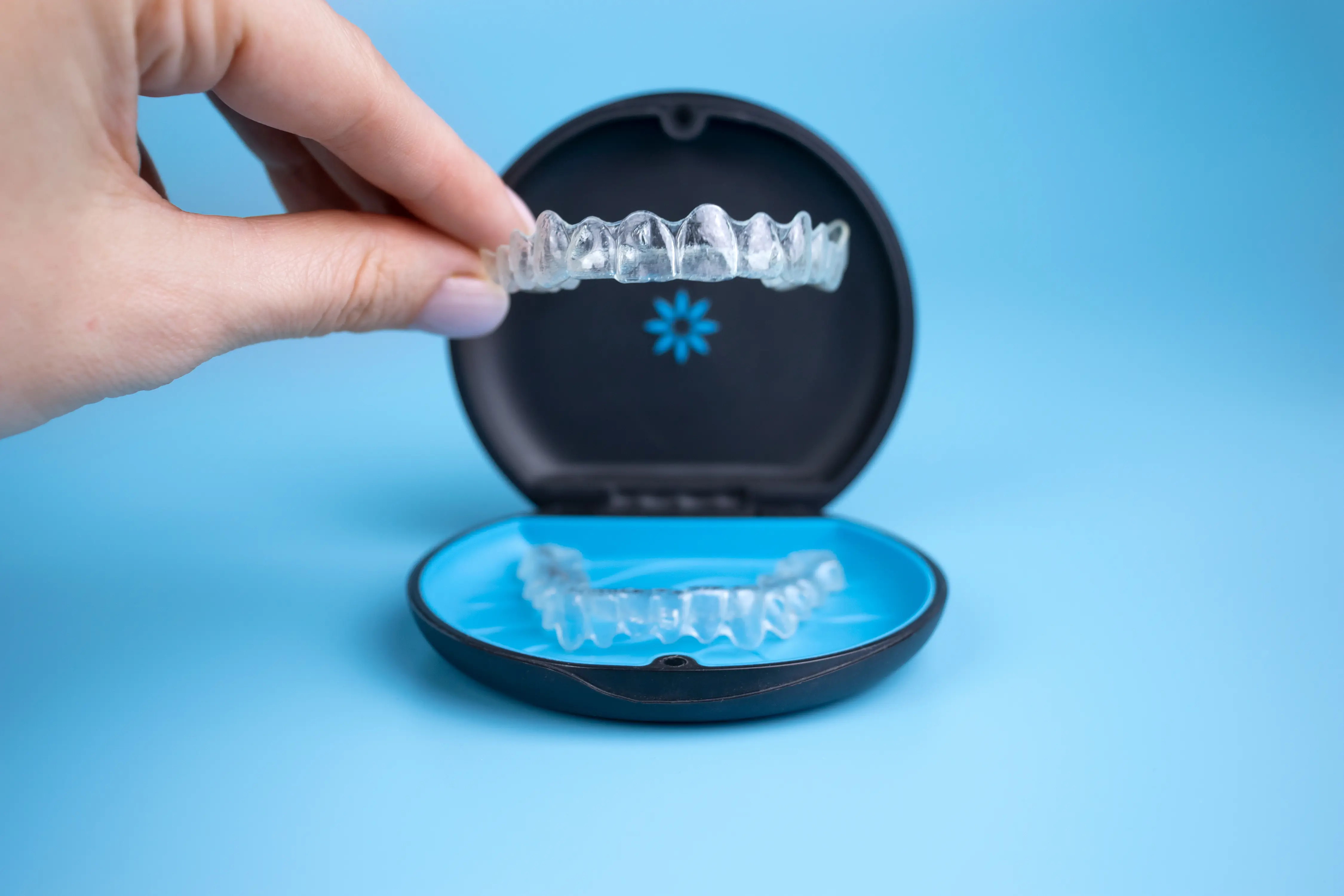
For sports, one of the most important preventive tools is a mouthguard. Athletes in contact sports such as football, rugby, and hockey are at higher risk of dental injuries. A properly fitted mouthguard helps protect the teeth, lips, tongue, jaw, and cheeks from serious damage.
A custom mouthguard made by a dentist is the best choice for athletes. Generic mouthguards bought at sporting goods stores may not protect as well and can be uncomfortable to wear. A custom-fit mouthguard fits snugly and securely, so you can breathe and speak easily while you play.
Wearing a mouthguard can prevent injuries such as broken teeth, jaw fractures, and cuts to the lips and tongue. Mouth injuries can be painful, expensive to treat, and may need ongoing dental work to repair. A mouthguard acts as a cushion that absorbs the force of blows to the face, lowering the risk of serious injury.
At Grand Mission Dentistry, we recommend that athletes of any age wear a mouthguard during sports to protect their teeth. Our team can make a custom mouthguard for you, so you get comfort and protection while you play.
Quit Tobacco Use
Anyone serious about their dental health should stop using tobacco products. Tobacco use is one of the most damaging habits for your dental and overall health.
Tobacco use can lead to a wide range of oral health problems, including gum disease, oral cancer, tooth discoloration, and bad breath. It can also reduce the success of dental treatments such as dental implants and teeth whitening.
Quitting tobacco can be hard, but the benefits are enormous. You will improve your oral health and lower your risk of serious conditions like heart disease, stroke, and lung cancer.
If you need help quitting, reach out to your dentist or doctor. They can give you resources, guidance, and support to help you quit for good.
Final Words
Following these 10 essential steps for preventive dental care can greatly improve your dental and overall health. By prioritizing regular dental check-ups, proper oral hygiene practices, and a healthy diet, you can prevent dental issues before they escalate into more significant problems. Prevention is always better than cure when it comes to dental care. Make these steps a part of your routine to ensure a bright and healthy smile for years to come.
For more information, reach out to us at Grand Mission Dentistry of Richmond, 8620 Grand Mission Blvd STE E, Richmond, TX 77407, (281) 789-8836.
We also serve Richmond, Katy, Rosenberg, Sugar Land, Greater Houston Area.
FREQUENTLY ASKED QUESTION
Q: What is preventive dentistry?
A: Preventive dentistry involves practices and treatments designed to maintain good oral health and prevent dental problems. This includes regular dental check-ups, cleanings, fluoride treatments, and education on proper oral hygiene.
Q: Why is preventive dentistry important?
A: Preventive dentistry is crucial for maintaining optimal oral health and avoiding costly and painful dental procedures in the future. By taking proactive steps to prevent issues such as cavities, gum disease, and tooth decay, you can ensure a healthier smile for years to come.
Q: What are the 10 crucial steps for preventive dentistry at Grand Mission Dentistry?
A: The 10 crucial steps for preventive dentistry at Grand Mission Dentistry include: 1. Regular dental check-ups and cleanings 2. Brushing your teeth twice a day with fluoridated toothpaste 3. Flossing daily to remove plaque and debris between teeth 4. Limiting sugary and acidic foods and drinks 5. Using a mouthwash to help reduce plaque and prevent gum disease 6. Wearing a mouthguard during sports or physical activities 7. Quitting smoking and tobacco use 8. Eating a balanced diet rich in vitamins and minerals 9. Using fluoride treatments as recommended by your dentist 10. Following your dentist’s recommendations for additional preventive treatments or procedures.
Latest Post
- Monday 9 am–7 pm
- Tuesday 10 am–8 pm
- Wednesday 10 am–8 pm
- Thursday 8 am–6 pm
- Friday 8 am–6 pm
- Saturday 8 am–3 pm
- Sunday: Closed