.webp)



.webp)
Find Out If You Qualify for Dental Implants
Dr. William Sung is a dentist with deep dental roots and a heart for Houston. From California to Massachusetts, he’s honed his craft, driven by a passion for helping others. With a commitment to excellence, Dr. William Sung stays ahead of the curve, averaging nearly 100 hours of continuing education each year. His warm demeanor and dedication to his patients make every visit a chance to brighten smiles and build lasting connections. In Dr. William Sung’s care, you’re not just a patient but a family.
Introduction
Most people think of the mouth as a closed system. Teeth, gums, tongue, rinse, repeat. If something hurts, it stays there. If something bleeds, it belongs there.
But the body does not work in compartments.
The mouth is one of the most active gateways in the human body. Blood vessels, nerve endings, bacteria, and inflammatory signals move freely between oral tissues and the rest of the system. What begins as gum irritation does not always stay local. Over time, it can travel silently and influence areas far beyond the smile.
At Grand Mission Dentistry, conversations about oral health often extend past cavities or surface discomfort. Increasingly, research and clinical observations reveal a deeper story. A story about circulation, inflammation, cognition, and cardiovascular strain.
This is where gum disease and heart connection enters the conversation. And this is where the link between gum disease and brain function becomes impossible to ignore.
This article explores how gum health intersects with the brain and heart, why inflammation plays a central role, and how everyday gum care supports much more than a healthy smile.
The Quiet Spread of Oral Inflammation
Gum disease does not arrive loudly. It begins subtly. A bit of redness. Slight swelling. Occasional bleeding that seems easy to dismiss. Many people brush harder, rinse more often, and assume the issue will resolve itself.
But inflammation is persistent by nature.
When gums remain inflamed, bacteria gain access to deeper tissues. These bacteria, along with inflammatory byproducts, can enter the bloodstream. Once there, they do not remain passive passengers. They interact with blood vessel walls, immune cells, and organs that were never meant to deal with oral pathogens.
This process explains why researchers now view oral inflammation and overall health as inseparable. Chronic gum inflammation contributes to a constant low-grade inflammatory state in the body. Over time, this state strains systems that rely on delicate balance, especially the heart and brain.
Dr. William Sung often emphasizes that gum health is not cosmetic or optional. It is foundational. Dr. William Sung gum health awareness focuses on helping patients understand that what happens at the gumline can influence how the entire body functions.
The Heart Listens to the Gums
The heart is remarkably resilient, but it is not immune to inflammation.
Blood vessels are lined with sensitive tissue designed to regulate flow and pressure. When inflammatory markers circulate continuously, those vessel walls become irritated. Plaque formation becomes more likely. Blood flow efficiency decreases.
This biological chain helps explain the growing evidence behind the gum disease and heart connection.
Studies suggest that individuals with advanced gum disease are more likely to experience cardiovascular complications. While gum disease does not directly cause heart conditions, it contributes to an environment where heart strain becomes more likely.
Bacteria from inflamed gums have been identified in arterial plaque. Inflammatory responses triggered in the mouth may amplify existing cardiovascular risks. Over time, the heart works harder in a body already under inflammatory stress.
This is why preventive care matters. Not as a reaction to pain, but as a strategy for protecting long-term heart stability.
The Brain’s Unexpected Vulnerability
The brain thrives on oxygen, steady circulation, and controlled immune responses. It does not respond well to chronic inflammation.
The link between gum disease and brain function has gained attention as researchers observe correlations between long-term gum inflammation and cognitive decline. Inflammatory molecules and oral bacteria may cross protective barriers, influencing neural tissues.
Memory, focus, and clarity depend on healthy blood flow and low inflammatory load. When inflammation becomes chronic, neural communication may suffer.
Patients are often surprised to learn that gum health can influence mental sharpness. Yet the connection is increasingly supported by biological pathways involving immune response and vascular health.
Dr. William Sung discusses this connection carefully and responsibly. The goal is not fear, but awareness. Understanding how gum care supports cognitive wellness empowers patients to take preventive steps early.
Inflammation as the Common Thread
Inflammation itself is not the villain. It is one of the body’s most important protective tools. When you cut your finger or catch a cold, inflammation rushes in to isolate the problem, deliver healing cells, and restore balance. In healthy situations, this response is temporary. Once the threat is resolved, inflammation quiets down and the body returns to equilibrium.
The problem begins when inflammation does not know when to stop.
Chronic gum inflammation behaves like a warning system stuck in the “on” position. Instead of responding to a short-term threat, the immune system remains constantly engaged. White blood cells continue to circulate. Inflammatory chemicals stay active. The body spends energy managing a problem that never fully resolves. Over time, this constant immune activity becomes exhausting rather than protective.
This is where the mouth becomes more than a local concern. Inflamed gum tissue allows bacteria and inflammatory byproducts to enter the bloodstream repeatedly. The immune system responds again and again, creating a state of low-level inflammation throughout the body. This ongoing response helps explain why oral inflammation and overall health are increasingly discussed together in both medical and dental communities.
When inflammation becomes chronic, it affects how blood vessels function, how tissues repair themselves, and how organs handle stress. The heart works harder in an inflamed environment. The brain becomes more vulnerable to disruptions in circulation and immune balance. Healing slows because the body is constantly redirecting resources toward managing inflammation instead of restoring strength.
Reducing inflammation at the source changes this entire chain reaction. When gum inflammation is addressed early and consistently, the immune system can stand down. Circulation improves. Healing resources are freed. The body regains balance rather than remaining in a state of defense. In this way, caring for the gums is not just about comfort or prevention of local issues. It is about calming a system-wide response that quietly influences long-term health.
Daily Habits That Shape Systemic Health
Gum care is not dramatic. It is quiet, repetitive, and often overlooked. Yet its impact compounds over time.
Consistent oral hygiene routines, professional evaluations, and early intervention keep inflammation from gaining momentum. These habits protect more than teeth.
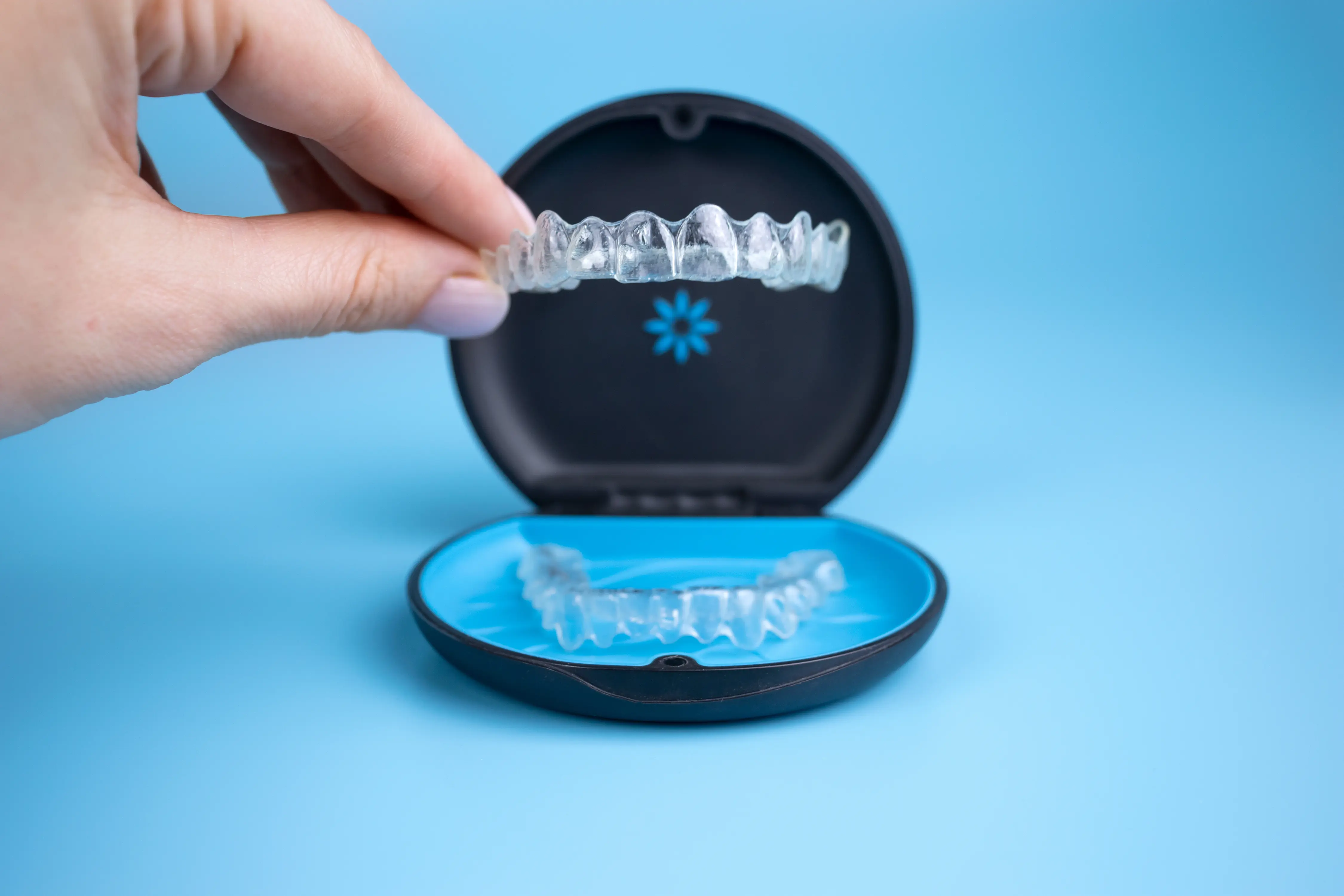
For patients undergoing aligner treatment, consistency plays a role as well. Aligners are worn all the time, except for oral hygiene, allowing treatment to proceed smoothly while maintaining gum stability. Clean aligners and clean gums support a balanced oral environment.
The real power lies in routine.
This is where preventing health issues through gum care becomes practical rather than theoretical. Small actions performed daily reduce the body’s inflammatory burden and support both heart and brain health.
Why Awareness Changes Outcomes
Many patients address gum issues only when discomfort appears. Unfortunately, gum disease often progresses quietly. By the time pain becomes noticeable, inflammation may already be advanced.
Education changes this pattern.
Dr. William Sung gum health awareness focuses on recognizing early signs and understanding their broader implications. Awareness leads to earlier intervention. Earlier intervention leads to reduced systemic impact.
At Grand Mission Dentistry, gum evaluations are treated as an essential part of whole-body wellness, not a separate category of care.
A Broader View of Prevention
Preventive care is often framed narrowly. Brush. Floss. Visit occasionally.
But prevention extends further. It includes understanding how oral health interacts with circulation, immunity, and neurological function. It includes recognizing that gum care is not isolated from overall wellbeing.
When patients view gum health as a contributor to heart strength and mental clarity, motivation shifts. Care becomes intentional rather than reactive.
This broader view aligns with modern health philosophy. Treat the source. Reduce the strain. Support balance.
Key Takeaways:
- Gum inflammation can influence systems beyond the mouth, including the heart and brain
- The gum disease and heart connection is linked through chronic inflammation and circulation
- Research continues to explore the link between gum disease and brain function
- Oral inflammation and overall health are deeply interconnected
- Consistent routines support preventing health issues through gum care
FAQs: What Patients Commonly Ask
1. Can gum disease really affect heart health?
Yes. Chronic gum inflammation can contribute to inflammatory responses that impact blood vessels, supporting the observed gum disease and heart connection.
2. How does gum health relate to brain function?
Inflammatory markers and bacteria associated with gum disease may influence circulation and immune responses linked to cognitive processes, highlighting the link between gum disease and brain function.
3. Are early gum symptoms serious?
Yes. Mild bleeding or swelling can indicate underlying inflammation. Addressing it early reduces long-term risks tied to oral inflammation and overall health.
4. Can good gum care help prevent other health problems?
Consistent gum care reduces systemic inflammation, supporting preventing health issues through gum care across multiple body systems.
5. How often should gum health be evaluated?
Regular dental visits allow for early detection and management, especially when guided by Dr. William Sung gum health awareness principles.
Conclusion
The mouth does not operate in isolation. It communicates constantly with the rest of the body. Inflammation does not respect boundaries. Neither should prevention.
Understanding how gum health connects to the heart and brain reshapes the way care is approached. It moves oral hygiene from a routine task to a meaningful health practice.
At Grand Mission Dentistry, the goal is clarity, balance, and long-term wellness. Gum care is not about perfection. It is about protection.
Remember: Healthy gums support more than your smile. They support circulation, mental clarity, and long-term wellness when cared for consistently and early.
Disclaimer: This content is for informational purposes only and does not replace professional medical advice. Always consult a qualified dental professional for guidance tailored to your individual health needs.
Latest Post
- Monday 9 am–7 pm
- Tuesday 10 am–8 pm
- Wednesday 10 am–8 pm
- Thursday 8 am–6 pm
- Friday 8 am–6 pm
- Saturday 8 am–3 pm
- Sunday – Closed