.webp)



.webp)
Find Out If You Qualify for Dental Implants
Introduction
When most people think about dental health, they think about teeth. White, straight, strong teeth. But behind every healthy smile is a foundation that often goes unnoticed – your gums.
Gums are not just soft tissue holding teeth in place. They are living, responsive tissue connected to blood vessels and immune pathways throughout your body. When gums become inflamed or infected, the impact does not stay inside the mouth. It can travel.
At Grand Mission Dentistry, Dr. William Sung gum health awareness is centered on one core belief: your mouth is not separate from your body. The condition of your gums may influence your heart, brain, immune system, and overall well-being.
This blog explores how gum disease can affect your health beyond your smile, why early prevention matters, and how protecting your gums today can protect your future.
The Silent Inflammation You Might Not Feel
Gum disease often begins quietly.
Bleeding when brushing. Slight swelling. Mild tenderness. These signs may seem small, but they indicate inflammation. And inflammation is not just a local issue.
When plaque accumulates along the gumline, bacteria trigger the immune system. The body responds by sending inflammatory cells to fight the infection. If plaque is not removed, this response continues – and chronic inflammation develops.
This is where oral inflammation and overall health begin to intersect.
Inflammation inside the mouth can enter the bloodstream. Once bacteria and inflammatory markers circulate, they may contribute to systemic stress on the body. Over time, that stress can influence major organs.
Gum disease is not just about tooth loss. It is about long-term wellness.
The Gum Disease and Heart Connection
One of the most studied relationships in dental research is the gum disease and heart connection.
Multiple studies suggest that people with untreated gum disease may have a higher risk of cardiovascular concerns. The theory behind this link is rooted in inflammation and bacteria.
Here is how it may work:
- Bacteria from infected gums enter the bloodstream
- Inflammatory proteins circulate through blood vessels
- Arteries may become irritated or narrowed
- Blood flow can become compromised
Chronic inflammation is already known to play a role in heart disease. When gum infection adds to that inflammatory burden, it may increase strain on the cardiovascular system.
This does not mean gum disease directly causes heart disease. But it does highlight a meaningful connection between oral health and cardiovascular wellness.
At Grand Mission Dentistry, conversations about gum health often extend beyond brushing habits. They include heart health awareness and preventive strategies that support the whole body.
The Link Between Gum Disease and Brain Function
Emerging research has also explored the link between gum disease and brain function.
Scientists are studying how chronic oral infections may influence cognitive decline. Inflammatory bacteria from the mouth have been detected in brain tissue in certain studies, raising important questions about long-term neurological impact.
Chronic inflammation is believed to contribute to conditions involving memory and cognitive function. While research is ongoing, the potential relationship between periodontal infection and brain health underscores an important message: oral health matters at every age.
Maintaining healthy gums may be one component of protecting cognitive well-being later in life.
When patients understand that brushing and flossing influence more than their smile, their motivation shifts. Gum care becomes a lifelong investment.
Diabetes and Gum Disease: A Two-Way Street
Another powerful example of oral inflammation and overall health involves diabetes.
People with diabetes are more prone to infections, including gum disease. At the same time, an untreated gum infection can make blood sugar levels harder to control.
It becomes a cycle:
- Elevated blood sugar supports bacterial growth
- Gum infection increases inflammation
- Inflammation affects insulin sensitivity
Breaking this cycle requires coordinated care between dental professionals and primary healthcare providers.
Dr. William Sung’s gum health awareness includes helping patients with diabetes understand this connection. Managing gum health may support more stable blood sugar levels, improving both oral and systemic outcomes.
Pregnancy and Gum Health
During pregnancy, hormonal shifts increase gum sensitivity. Swelling, bleeding, and inflammation may become more pronounced.
Research has suggested that severe gum disease during pregnancy may be associated with complications such as premature birth or low birth weight. While this connection is still being studied, maintaining healthy gums during pregnancy is strongly encouraged.
Preventing health issues through gum care becomes especially important during times of increased physiological change.
Routine cleanings, gentle home care, and early treatment of inflammation support both maternal and fetal well-being.
The Immune System Under Pressure
Chronic gum infection places ongoing stress on the immune system.
Instead of focusing energy on protecting the body from outside threats, the immune system remains in constant response mode within the mouth. This persistent inflammatory response can weaken the body’s ability to function efficiently.
Over time, immune dysregulation may contribute to fatigue, delayed healing, and increased vulnerability to other infections.
Healthy gums reduce this inflammatory burden. When the immune system is not fighting chronic oral bacteria, it can function more effectively throughout the body.
Signs You Should Not Ignore
Gum disease is often painless in early stages. That is why many people do not realize it is developing.
Warning signs include:
- Bleeding during brushing
- Persistent bad breath
- Gum recession
- Loose teeth
- Swollen or tender gum tissue
If you notice any of these symptoms, it is important to schedule an evaluation.
Early intervention can stop progression before systemic effects become more significant.
The Emotional and Physical Impact of Tooth Loss
When gum disease advances, it can damage bone and supporting structures around teeth. This may lead to mobility or tooth loss.
Tooth loss affects more than appearance. It impacts chewing, digestion, speech, and confidence. Nutrition may suffer when individuals avoid certain foods due to discomfort.
By prioritizing preventing health issues through gum care, patients can avoid both physical and emotional consequences associated with advanced periodontal disease.
Modern Gum Care at Grand Mission Dentistry
At Grand Mission Dentistry, gum health is approached with precision and personalization.
Dr. William Sung’s gum health awareness includes:
- Comprehensive periodontal evaluations
- Digital imaging for accurate diagnosis
- Gentle deep cleaning procedures
- Ongoing monitoring for stability
- Patient education tailored to lifestyle
Treatment plans are designed to reduce inflammation, eliminate infection, and restore healthy tissue.
Prevention remains the cornerstone of care.
Daily Habits That Support Systemic Health
Healthy gums do not require complicated routines. They require consistency.
Daily habits that support oral inflammation and overall health include:
- Brushing twice daily with proper technique
- Flossing to remove plaque between teeth
- Regular dental cleanings
- Balanced nutrition
- Avoiding tobacco use
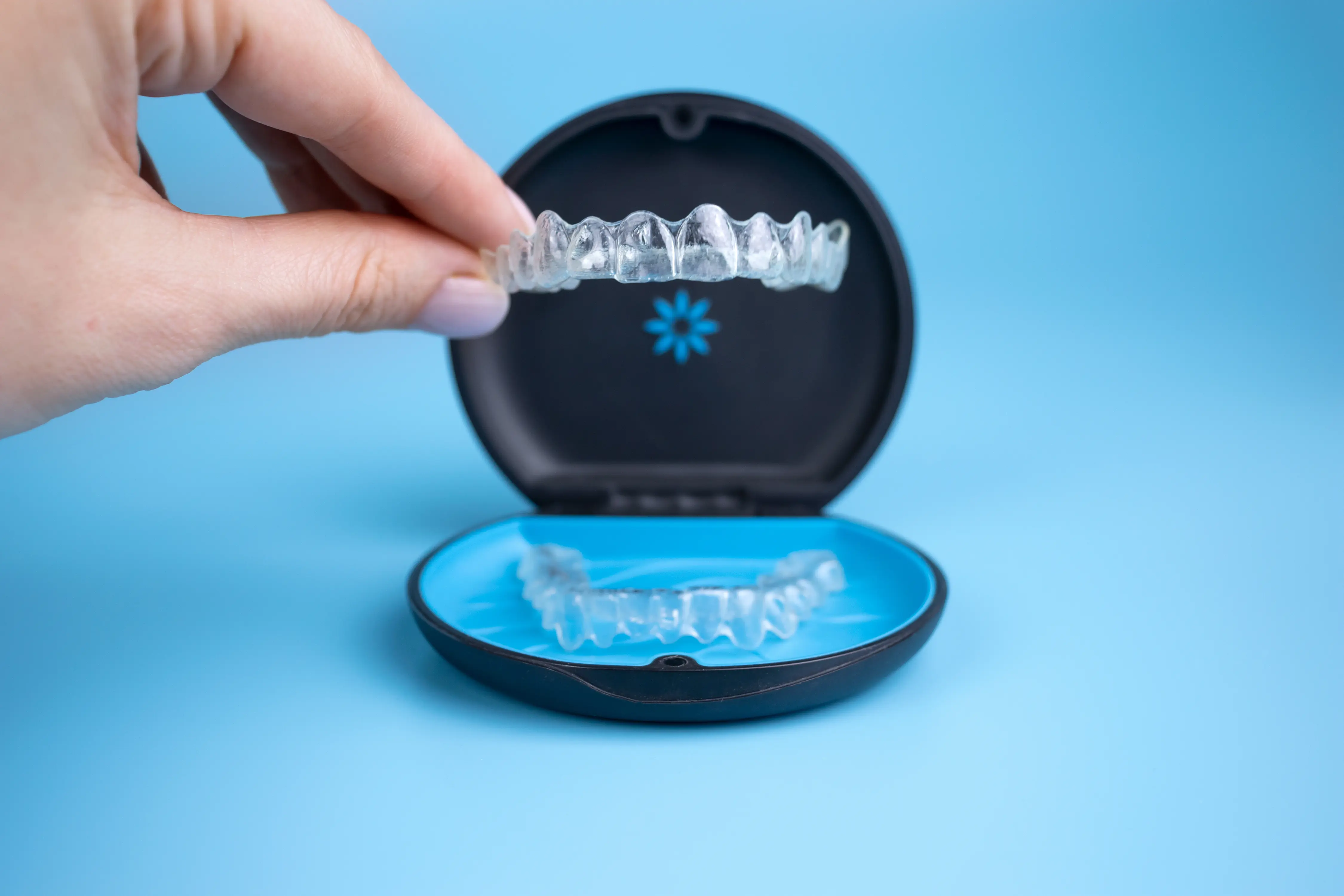
When aligners are part of a patient’s treatment plan, wear aligners all the time, except for oral hygiene. This ensures consistent progress while maintaining proper cleaning habits.
Simple daily decisions can significantly reduce long-term health risks.
The Power of Early Prevention
Preventing health issues through gum care is far more effective than treating advanced disease.
Routine dental visits allow early detection of subtle inflammation before irreversible damage occurs. Early care is typically less invasive, more comfortable, and more affordable.
Patients who commit to preventive care often experience:
- Fewer emergency visits
- Lower overall treatment costs
- Improved overall health markers
- Greater confidence in their smile
Prevention is not just about avoiding problems. It is about building resilience.
The Future of Periodontal Research
Dental research continues to explore deeper connections between gum health and systemic disease.
Advancements in salivary diagnostics may one day allow dentists to detect inflammatory markers linked to heart disease or neurological conditions. Personalized risk assessments are becoming more common.
The understanding of the gum disease and heart connection, and the link between gum disease and brain function continues to evolve.
What remains clear today is this: inflammation anywhere in the body deserves attention.
And your gums are one of the most accessible places to reduce it.
Key Takeaways:
- Gum disease is linked to systemic inflammation that may influence heart and brain health.
- The gum disease and heart connection highlights the importance of reducing oral inflammation.
- Research continues to explore the link between gum disease and brain function.
- Managing oral inflammation and overall health together supports long-term wellness.
- Preventing health issues through gum care is more effective than treating advanced disease.
- Dr. William Sung gum health awareness focuses on education, prevention, and whole-body health.
FAQs: What Patients Commonly Ask
1. Can gum disease really affect my heart?
Research suggests a strong gum disease and heart connection due to inflammation and bacteria entering the bloodstream. While gum disease does not directly cause heart disease, reducing inflammation may support cardiovascular health.
2. How does gum disease impact brain health?
Studies exploring the link between gum disease and brain function suggest that chronic inflammation and bacteria may influence cognitive processes. Ongoing research continues to investigate this relationship.
3. Is gum disease reversible?
In the early stages, gum inflammation can often be reversed with professional cleaning and improved home care. Advanced stages require more intensive treatment.
4. How often should I have my gums checked?
Most patients benefit from dental visits every six months. Individuals with a history of gum issues may need more frequent monitoring.
5. What is the best way to prevent gum disease?
Preventing health issues through gum care includes daily brushing, flossing, professional cleanings, and addressing early signs of inflammation promptly.
Conclusion
Your gums are not isolated tissue. They are part of a living system connected to your heart, brain, immune response, and metabolic balance.
Ignoring gum inflammation allows silent stress to spread throughout the body. Addressing it early can reduce risk, improve wellness, and support long-term vitality.
At Grand Mission Dentistry, care extends beyond teeth. Dr. William Sung’s gum health awareness reflects a commitment to comprehensive health, not just cosmetic results.
Healthy gums are not optional. They are foundational.
For directions, use this helpful Google Map or get step-by-step navigation through Get Directions.
Remember: Your mouth reflects your overall health. Small signs like bleeding gums should never be ignored. Preventing health issues through gum care today can support stronger health tomorrow.
Disclaimer: This blog is for educational purposes only and does not replace personalized medical advice. Please consult Dr. William Sung at Grand Mission Dentistry or your healthcare provider for guidance tailored to your specific health needs.
Latest Post
- Monday 9 am–7 pm
- Tuesday 10 am–8 pm
- Wednesday 10 am–8 pm
- Thursday 8 am–6 pm
- Friday 8 am–6 pm
- Saturday 8 am–3 pm
- Sunday – Closed