.webp)


.webp)
Find Out If You Qualify for Dental Implants
All posts
Invisalign
From Gums to Wellness: Understanding How Oral Health Shapes the Body

Published on:
January 28, 2026
Introduction
Most people think of dental visits as something limited to teeth and gums. A cleaning here, a filling there, and life moves on. But the mouth is not an isolated system. It is an active gateway that constantly interacts with the rest of the body. What happens in your gums does not stay in your gums. It quietly influences how your body functions, responds, and maintains balance over time.
At Grand Mission Dentistry, conversations often go beyond cavities or surface-level concerns. Patients are increasingly curious about how their oral habits connect to energy levels, immune response, inflammation, and overall comfort. This growing awareness has shifted dentistry toward a more thoughtful approach, one that views the body as a connected system rather than separate parts.
This blog explores that connection in a clear and practical way. It explains how daily gum care influences broader health patterns, why inflammation matters more than most people realize, and how simple dental routines support long-term wellness. The focus is not on fear or complexity, but on understanding. When you understand how your gums affect your body, better choices tend to follow naturally.
The Quiet Role Gums Play in Everyday Health
Gums do more than hold teeth in place. They form a protective seal that keeps bacteria from entering deeper tissues and the bloodstream. Healthy gums act as a barrier, maintaining stability within the mouth while supporting normal bodily function elsewhere.
When gums are strong, pink, and firm, they help maintain balance across multiple systems. This is where the idea of gum health and body wellness becomes important. The condition of your gums reflects how well your body manages inflammation, circulation, and immune response.
Bleeding, tenderness, or swelling may seem minor at first. Many people ignore these signs because they do not cause immediate pain. But these early signals often point to underlying inflammation that extends beyond the gumline. Over time, that inflammation can influence how the body reacts to everyday stressors.
Gum tissue is rich in blood vessels. This makes it responsive, but also vulnerable. When harmful bacteria accumulate around the gums, they can trigger immune reactions that spread. This does not mean every gum issue leads to serious illness. It means the mouth is an early indicator, offering clues about overall balance before bigger problems appear.
Inflammation: The Common Thread
Inflammation is the body’s natural defense system. It helps fight infection and supports healing. Problems arise when inflammation becomes chronic rather than temporary. Persistent gum irritation can contribute to this imbalance.
This is where gum inflammation and body balance intersect. Inflamed gums release inflammatory markers that do not stay confined to the mouth. These markers circulate, interacting with other systems and sometimes intensifying existing conditions.
Patients often ask why gum care matters if they feel fine otherwise. The answer lies in prevention. Chronic inflammation rarely causes immediate symptoms. Instead, it quietly strains the body over time. By addressing inflammation at its source, including the gums, you reduce unnecessary stress on the body’s natural systems.
At Grand Mission Dentistry, discussions about gum care often include lifestyle habits, stress, and daily routines. These factors influence how the body manages inflammation. Oral care becomes part of a larger wellness conversation rather than a standalone task.
How the Mouth Communicates With the Rest of the Body
The mouth is highly connected through blood flow, nerves, and immune pathways. When oral bacteria increase, the body responds systemically. This response is not dramatic or sudden. It is gradual and cumulative.
Understanding the connection between oral health and general health helps explain why dentists often notice patterns that go beyond teeth. Changes in gum condition can mirror changes in other parts of the body. Fatigue, immune sensitivity, and slow healing sometimes appear alongside gum concerns.
This does not mean gums cause every health issue. It means they are part of a larger picture. The body operates as a network. When one area is under strain, others adjust to compensate. Supporting oral health helps reduce the need for that compensation.
Dr. William Sung often explains this concept in simple terms. The mouth is like an early warning system. It responds quickly to imbalance, offering visible signs before deeper systems are affected. Paying attention to those signs allows for earlier, gentler interventions.
Daily Habits That Shape Long-Term Wellness
Wellness is built through small, consistent actions. Gum care fits naturally into this framework. Brushing thoroughly, cleaning between teeth, and attending regular dental visits create a foundation that supports the entire body.
Many patients underestimate the cumulative effect of daily oral habits. Skipping care occasionally may not seem harmful, but repeated neglect allows inflammation to settle in. Over time, this can influence overall resilience.
The idea of how healthy gums protect overall well-being is not about perfection. It is about consistency. Gentle, regular care helps maintain balance without adding stress.
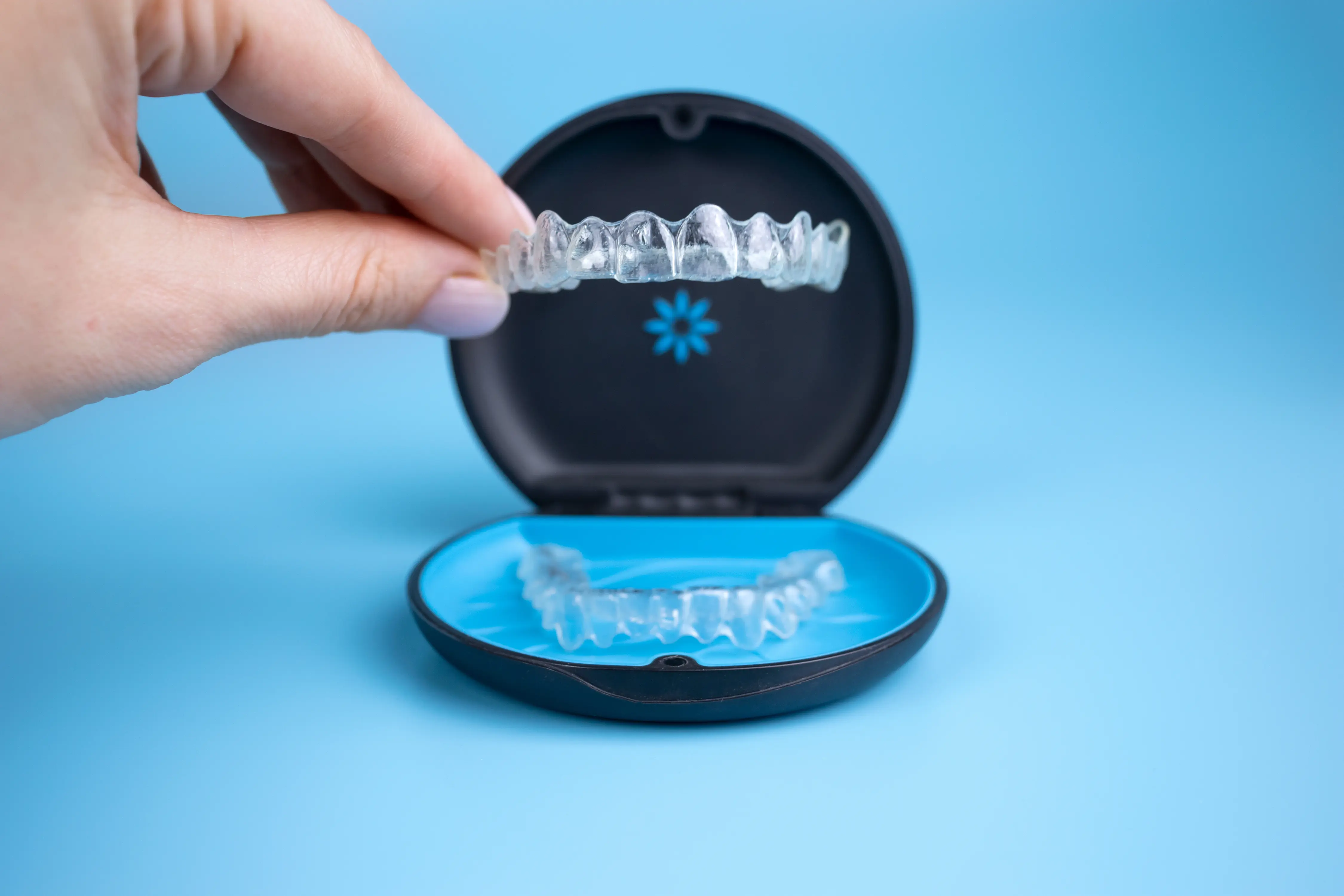
At Grand Mission Dentistry, patients undergoing clear aligner treatment are encouraged to wear their aligners at all times, except during oral hygiene. Consistent wear supports stable movement while allowing gums to remain healthy through proper cleaning. This balance between treatment and care reinforces the idea that oral health routines should fit smoothly into daily life.
Whole-Body Thinking in Modern Dental Care
Dental care has evolved. It is no longer limited to fixing visible problems. Today, many practices focus on prevention, education, and long-term comfort. This philosophy aligns with Dr. William Sung whole-body dental care, where oral health is viewed as one part of a larger wellness journey.
This approach emphasizes listening. Dentists observe not just teeth, but tissue tone, inflammation patterns, and healing response. These observations help guide personalized care that respects the body’s natural rhythms.
Patients often feel more confident when they understand why recommendations are made. When gum care is explained as part of overall wellness, motivation increases. Oral routines stop feeling like chores and start feeling purposeful.
Stress, Immunity, and the Gums
Stress affects the body in subtle ways. It can alter immune response, slow healing, and increase inflammation. The gums often reflect these changes quickly. During periods of high stress, patients may notice increased sensitivity or bleeding.
This response does not mean something is wrong. It means the body is adapting. Supporting gum health during stressful times helps prevent minor issues from becoming persistent problems.
The immune system relies on balance. When gums are inflamed, the immune system stays activated longer than necessary. Reducing oral inflammation allows the immune system to function more efficiently elsewhere.
Nutrition and Gum Support
Nutrition plays a supporting role in gum health. Adequate hydration, balanced meals, and essential nutrients help maintain tissue strength. While no single food guarantees healthy gums, overall dietary patterns matter.
Foods that support circulation and tissue repair indirectly benefit gum condition. When the body receives proper nourishment, it manages inflammation more effectively. This reinforces the link between oral care and wellness.
Patients at Grand Mission Dentistry often appreciate simple guidance rather than strict rules. Small adjustments, paired with consistent oral hygiene, create noticeable improvements over time.
Oral Health as Preventive Care
Preventive care is about staying ahead of problems rather than reacting to them. Gum health fits squarely into this mindset. Regular dental visits enable early detection of changes that might otherwise go unnoticed.
This proactive approach strengthens the connection between oral health and general health by addressing imbalances early. Prevention reduces the need for complex interventions later.
Clear communication plays a key role here. When patients understand what their gums are telling them, they feel empowered rather than overwhelmed. Knowledge becomes a tool for confidence.
A Long-Term Perspective on Wellness
Wellness is not achieved overnight. It develops through awareness, consistency, and informed choices. Gum care may seem small, but its influence is significant.
The mouth is one of the few places where health changes are visible early. Paying attention to gum condition offers insight into overall balance. This perspective transforms routine dental care into an act of self-care.
By supporting gum health and body wellness, patients invest in stability that extends beyond their smiles. The benefits may be subtle, but they are lasting.
Key Takeaways:
- Healthy gums act as a protective barrier that supports whole-body balance.
- Gum inflammation can influence systemic inflammation over time.
- The mouth provides early signals about overall wellness.
- Consistent oral care supports immune efficiency and comfort.
- A whole-body approach to dental care encourages long-term health.
FAQs: What Patients Commonly Ask
1. How do gums affect the rest of the body?
Gums are connected through blood flow and immune pathways. When inflamed, they can influence overall inflammatory balance.
2. Is bleeding during brushing normal?
Occasional bleeding may indicate irritation. Persistent bleeding suggests inflammation that should be evaluated.
3. Can gum health impact energy levels?
Chronic inflammation can affect how the body manages energy. Supporting gum health helps reduce unnecessary immune strain.
4. How often should gum health be checked?
Regular dental visits allow for early detection and guidance tailored to individual needs.
5. Does stress really affect gums?
Yes. Stress can alter immune response, making gums more sensitive during high-stress periods.
Conclusion
Oral health is not just about teeth. It is about balance, prevention, and understanding how small systems influence the whole. Gums play a quiet but powerful role in maintaining stability throughout the body. When consistently cared for, they support comfort, resilience, and overall wellness.
At Grand Mission Dentistry, this perspective guides everyday care. By recognizing the relationship between gums and the body, patients gain insight that extends far beyond the dental chair.
Remember: Healthy gums support balance throughout the body. Small daily habits create long-term wellness when practiced consistently.
Disclaimer: This blog is for informational purposes only and does not replace professional dental or medical advice. Always consult a qualified dental professional for personalized care recommendations.
Latest Post
- Monday 9 am–7 pm
- Tuesday 10 am–8 pm
- Wednesday 10 am–8 pm
- Thursday 8 am–6 pm
- Friday 8 am–6 pm
- Saturday 8 am–3 pm
- Sunday – Closed