

Find Out If You Qualify for Dental Implants
All posts
Invisalign
Bright Smiles Start with Vitamin D: Supporting Dental Implants and Gum Health

Published on:
January 28, 2026
Introduction
When people think about a healthy smile, they usually picture straight teeth, clean surfaces, and confident expressions. What often goes unnoticed is the silent support system working underneath. Bone strength, gum resilience, and immune balance all play a role in how long a smile stays healthy and how well it recovers after dental care.
Vitamin D is one of the most important yet underestimated contributors to oral wellness. It influences how the body absorbs minerals, manages inflammation, and repairs tissue. These functions matter deeply for gum health and dental implants, even though they are rarely discussed during everyday conversations about dental care.
At Grand Mission Dentistry, Dr. William Sung approaches oral health as a long-term partnership between clinical care and overall wellness. Procedures matter, but the body’s internal environment determines how well those procedures succeed. Understanding vitamin D and dental implants helps patients take an active role in protecting their smiles beyond the dental chair.
This blog explores how vitamin D supports gum health, strengthens dental implant outcomes, and contributes to smoother recovery after dental treatment. It also offers practical insight into how everyday habits influence oral health from the inside out.
Why Vitamin D Matters More Than Most People Realize
Vitamin D is often grouped with general wellness supplements, but its role is far more specific. It helps regulate calcium absorption, supports immune response, and plays a part in tissue repair. Each of these functions directly affects oral health.
Teeth depend on a strong jawbone. Gums rely on balanced immune activity to stay firm and healthy. Without adequate vitamin D, the body may struggle to maintain these systems efficiently. Over time, this can influence healing speed, bone stability, and gum comfort.
Following Dr. William Sung’s vitamin D oral health tips often starts with understanding that oral wellness is connected to full-body health. When vitamin D levels are supported, the mouth benefits in visible and lasting ways.
Vitamin D and Dental Implants: Supporting a Strong Foundation
Dental implants are designed to function like natural tooth roots. Their long-term success depends on how well the surrounding bone adapts and remains stable. Vitamin D plays a critical role in this process by supporting bone metabolism and immune balance.
When vitamin D levels are sufficient, calcium absorption improves. This supports jawbone density and helps create a stable environment around implants. The immune system also functions more effectively, reducing unnecessary inflammation that could interfere with healing.
The relationship between vitamin D and dental implants highlights why recovery is not only about the procedure itself. The body must be prepared to support and maintain the implant over time.
Gum Health Starts From Within
Healthy gums are living tissue that constantly respond to bacteria, pressure, and daily activity. Their ability to stay firm and recover from irritation depends on balanced nutrition and immune support.
Vitamin D helps regulate inflammation, allowing the gums to respond appropriately without becoming overly sensitive. It also supports collagen production, which contributes to gum strength and resilience.
Among the most essential nutrients that support gum healing, vitamin D works alongside other vitamins and minerals to create a stable environment for tissue repair. When these nutrients are present in balance, gums are better equipped to maintain comfort and structure.
How Vitamin D Helps in Dental Recovery
Recovery after dental care is a natural process, but its pace and comfort vary. Vitamin D influences several systems involved in healing.
Understanding how vitamin D helps in dental recovery begins with its effect on immune balance. Vitamin D supports controlled inflammation, which is necessary for healing without prolonging discomfort. It also contributes to bone remodeling, an important factor after implant placement or restorative procedures.
Patients who maintain healthy vitamin D levels often experience steadier healing and fewer interruptions during recovery.
Everyday Habits That Influence Vitamin D Levels
Modern lifestyles often limit natural vitamin D production. Many people spend most of their time indoors, reducing sun exposure. Seasonal changes and sunscreen use also affect how much vitamin D the body produces naturally.
Diet contributes as well. Foods like fatty fish, fortified dairy products, and eggs provide vitamin D, but many individuals still fall short of optimal levels through diet alone.
At Grand Mission Dentistry, Dr. William Sung’s vitamin D oral health tips often include encouraging patients to consider how lifestyle choices affect oral wellness. When appropriate, patients may discuss supplementation with their healthcare provider to support overall health and dental outcomes.
Teeth, Bone, and Long-Term Stability
Teeth and implants rely on the jawbone for support. Over time, bone health influences how well teeth remain stable and how implants perform.
The benefits of vitamin D for teeth and gums include improved mineral absorption, stronger bone structure, and a balanced immune response. These benefits support long-term stability rather than short-term results.
For patients planning dental implants or managing gum concerns, vitamin D becomes part of a preventive approach that supports lasting oral health.
Consistent Aligner Wear and Oral Wellness
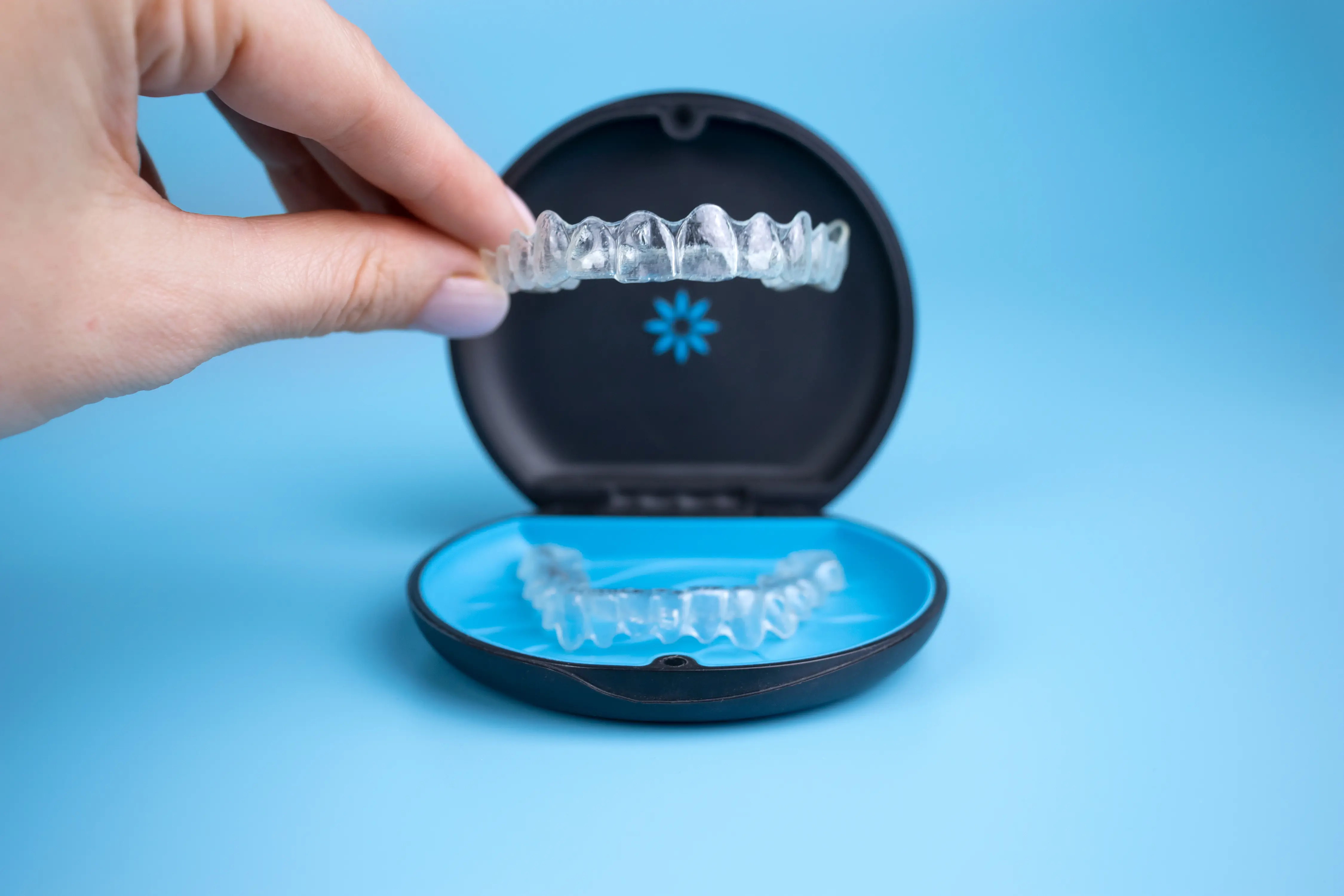
Clear aligners work best when they become part of everyday life. When aligners are worn consistently, except for oral hygiene, tooth movement happens in a steady and controlled manner. This predictable progression helps reduce unnecessary pressure on the gums and supporting bone, allowing the mouth to adapt gradually rather than being forced to adjust too quickly.
During this period, gum comfort and bone health deserve just as much attention as aligner wear itself. Teeth are not moving in isolation. They are supported by living bone and soft tissue that must respond to constant, gentle forces. When these tissues are healthy, aligner progress tends to feel smoother and more manageable.
Nutrition plays a quiet but meaningful role throughout this process. Adequate vitamin D intake supports bone density and helps maintain balanced immune responses within the gums. This internal support contributes to tissue resilience, making it easier for the mouth to adapt as teeth shift over time. When nutritional health and consistent aligner wear work together, patients often experience better comfort, fewer interruptions, and a more stable oral environment.
This balanced approach reinforces overall oral wellness. Instead of focusing on aligners alone, supporting the body from within helps ensure that teeth, gums, and bone remain healthy throughout treatment and beyond.
A Preventive View of Dental Health
Preventive care is not only about avoiding problems. It is about creating conditions that allow the mouth to stay healthy over time. Vitamin D supports this philosophy by strengthening the structures that support teeth and implants.
Rather than waiting for discomfort to appear, patients benefit from understanding how nutrition, hygiene, and professional care work together. This approach reflects the care philosophy at Grand Mission Dentistry, where education is part of every treatment plan.
Key Takeaways:
- Vitamin D plays a vital role in bone strength and gum health
- Understanding vitamin D and dental implants supports long-term implant stability
- Nutrients that support gum healing help maintain firm, healthy tissue
- The benefits of vitamin D for teeth and gums include immune balance and bone support
- Knowing how vitamin D helps in dental recovery encourages smoother healing
FAQs: What Patients Commonly Ask
1. Can vitamin D levels influence dental implant outcomes?
Yes. Adequate vitamin D supports bone strength and immune balance, both of which contribute to implant stability.
2. Does vitamin D affect gum comfort?
Vitamin D helps regulate inflammation, which supports healthier and more comfortable gums.
3. Is vitamin D important even without implants?
Yes. Vitamin D supports teeth, gums, and jawbone health regardless of implant treatment.
4. How can patients know if their vitamin D levels are low?
A healthcare provider can assess vitamin D levels through routine testing and recommend next steps if needed.
5. Does nutrition really affect dental recovery?
Yes. Nutrition influences immune response, tissue repair, and bone remodeling during recovery.
Conclusion
A bright, confident smile is built through more than clinical care alone. It depends on the body’s ability to heal, maintain strength, and respond to daily challenges. Vitamin D plays a quiet yet essential role in supporting gum health, strengthening dental implant outcomes, and promoting smoother recovery after dental treatment.
At Grand Mission Dentistry, Dr. William Sung encourages patients to view oral health as part of a larger wellness picture. When professional care and internal support work together, results feel steadier and last longer. By understanding the connection between nutrition and dental health, patients can protect their smiles with confidence and clarity.
Remember: Strong smiles are supported from the inside out. When dental care and nutrition align, healing feels smoother, and results stay stable.
Disclaimer: This blog is for informational purposes only and does not replace professional medical or dental advice. Always consult a qualified healthcare provider regarding nutrition and oral health decisions.
Latest Post
- Monday 9 am–7 pm
- Tuesday 10 am–8 pm
- Wednesday 10 am–8 pm
- Thursday 8 am–6 pm
- Friday 8 am–6 pm
- Saturday 8 am–3 pm
- Sunday – Closed