
.webp)

Understanding Dental Implant Failure
Dental implants are one of the most reliable treatments in dentistry, with success rates above 95%. But sometimes, even when everything seems perfect, problems can develop—either soon after placement or years down the road.
Knowing why an implant can fail helps you feel informed, empowered, and ready to make the best decisions for your smile.
What Causes a Dental Implant to Fail?
Peri-Implantitis
The most common cause of late implant failure. Bacteria accumulate around the implant causing inflammation in the surrounding gum tissue and progressive bone loss. Left untreated it becomes increasingly difficult to manage and can result in implant loss.
Insufficient Bone Support
If the implant site did not have adequate bone density at placement, or if bone loss has occurred since, the implant may lack the structural foundation needed for long-term stability.
Excessive Bite Forces
Grinding or clenching creates micro-movements at the implant site that interfere with osseointegration and can cause bone loss over time. A nightguard is often part of the long-term management plan for these patients.
Poor Oral Hygiene
Plaque buildup around the implant drives inflammation. Patients who struggle to clean around their implant effectively are at higher risk for peri-implantitis and progressive complications.
Medications and Medical History
SSRIs, bisphosphonates, corticosteroids, and other medications can interfere with bone healing and osseointegration. Systemic conditions including diabetes and osteoporosis are also documented risk factors. This is why your complete medical history matters before and after implant placement.
Appearance and Positioning Problems
Poor implant positioning or esthetic issues, including crowns that do not match neighboring teeth, gum recession exposing the post, or implants placed at an angle, are often overlooked causes of patient dissatisfaction and long-term complications.
What Happens When a Failing Implant Goes Untreated
Peri-implantitis does not pause. Every month without treatment means more bone loss and fewer options.
Health Risk Sources

- Windael S, Collaert B, De Buyser S, De Bruyn H, Vervaeke S. "Early peri-implant bone loss as a predictor for peri-implantitis: A 10-year prospective cohort study." Clinical Implant Dentistry and Related Research vol. 23,3 (2021): 298-308. doi:10.1111/cid.13000. https://pubmed.ncbi.nlm.nih.gov/34076941/
- Serroni M, Borgnakke WS, Romano L, et al. "History of periodontitis as a risk factor for implant failure and incidence of peri-implantitis: A systematic review, meta-analysis, and trial sequential analysis of prospective cohort studies." Clinical Implant Dentistry and Related Research vol. 26,3 (2024): 482-508. doi:10.1111/cid.13330. https://pubmed.ncbi.nlm.nih.gov/38720611/
- Adiatman M, et al. "The Etiology and Management of Dental Implant Failure: A Review." PMC. https://pmc.ncbi.nlm.nih.gov/articles/PMC9674049/
- Staedt H, et al. "Treatment strategies for dental implant removal: A literature review." PMC (2024). https://pmc.ncbi.nlm.nih.gov/articles/PMC11497076/
Why is it important to inform your dentist about changes in your medical history before implant placement?
Clear and open communication with your dentist is crucial before you get a dental implant. Even small changes in your medical history, such as starting a new medication, developing a chronic condition, or recovering from a recent illness, can have a real impact on how well your implant heals and integrates with your bone.
Your dentist relies on accurate, up-to-date health information to tailor every step of your treatment, including selecting the safest materials, planning your aftercare, and preventing complications. For example, conditions like osteoporosis or recent heart surgery might require special precautions, while new prescriptions could interfere with bone healing or increase your risk for infection.
By updating your dental team about any changes in your health, you’re helping to protect your investment and ensure the smoothest path to a healthy, lasting smile.
How Can Medications Influence Dental Implant Success?
Certain medications can also play a role in dental implant failure. For example, some antidepressants, such as selective serotonin reuptake inhibitors (SSRIs), can interfere with your body’s natural bone healing process. These drugs may slow down the growth and bonding of bone tissue with the implant, making it harder for the implant to integrate with your jawbone fully. Other medications, like bisphosphonates (often prescribed for osteoporosis), can also impact bone metabolism and increase your risk for complications.
If you take any prescription medications, especially those for mood disorders or bone health, make sure to discuss them with your dentist before moving forward with an implant. This allows your care team to assess the risks, coordinate with your physician, and develop a treatment plan tailored to your specific health needs.
What Is the Basic Anatomy of a Dental Implant?
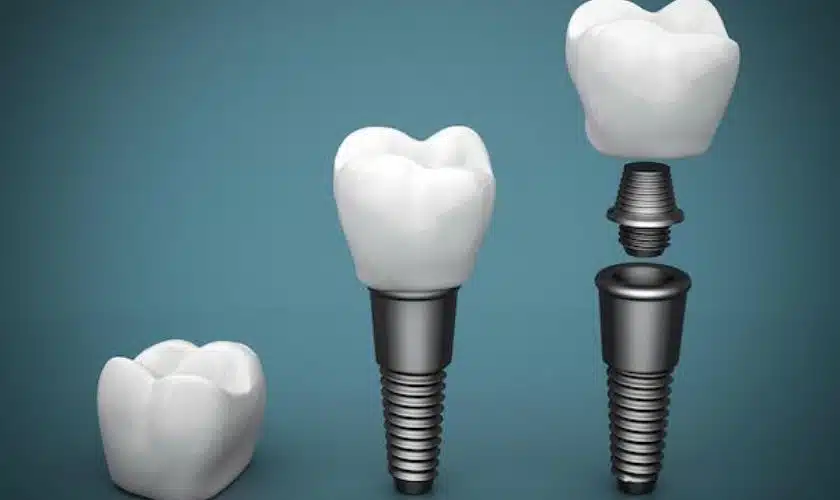
A dental implant is designed to mimic your natural tooth structure in three key parts:
- Implant post: This is typically a small titanium screw that acts as an artificial tooth root, anchored securely in your jawbone.
- Abutment: Serving as a connector, the abutment attaches to the top of the implant post and sticks out just above the gumline.
- Crown: The visible part, a custom-crafted crown, is fitted onto the abutment to blend seamlessly with your surrounding teeth, both in appearance and function.
Each component works together to create a comfortable, stable, and lasting replacement for a missing tooth.
Signs and Symptoms of Dental Implant Failure

Early detection makes a huge difference. If you notice any of the following signs, it’s important to have your implant evaluated promptly:
Ongoing pain or tenderness around the implant site.
Swelling, redness, or discharge.
A feeling that the implant is loose or shifting.
Difficulty chewing or biting normally.
Gum recession exposing parts of the implant.
A crown that looks out of place or mismatched.
Solutions for Failing Dental Implants
The good news is that most implant issues can be treated successfully. Our approach depends on what’s causing the problem.
Depending on your situation, we may be able to preserve your existing implant with targeted treatment and supportive care. When gum or bone loss occurs, grafting procedures can rebuild a strong foundation. In cases where the implant position or integration can’t be corrected, removal and replacement may be the best option.
When appearance is the primary concern, creating a new custom crown or reshaping the gumline can make a world of difference in your confidence and comfort.
Why Patients With Failing Implants Choose Grand Mission
Whether your implant was placed here or somewhere else, Dr. Sung evaluates every failing implant case with the same thoroughness and honesty. You get a clear picture of what is happening, what can be done about it, and what it will take to get you to a stable, comfortable result. No pressure. No rushing. Just straight answers.

we Evaluate Implants Placed Elsewhere
You do not have to go back to the practice that placed your implant. Dr. Sung reviews implants placed by any provider, evaluates the cause of the problem honestly, and gives you a clear second opinion with no obligation.

Full In-House Treatment Capability
Bone grafting, PRF therapy, gum regeneration, crown replacement, and new implant placement are all available at Grand Mission. Whatever your situation requires, it is handled under one roof by the same doctor.

Failure Does Not Mean You Cannot Have Implants
Many patients who have experienced implant failure go on to have outstanding long-term results once the underlying problem is identified and resolved. Dr. Sung evaluates your candidacy for a new implant honestly and without assumption.
Flexible Financing for Every Budget

We accept most major PPO dental insurance plans and welcome HSA and FSA payments. For costs beyond coverage, flexible financing through Cherry offers 0% APR options for qualified patients, making it easy to break treatment into manageable monthly payments.

New Patient Special!
Starting at
$189
get
Comprehensive exam
X-Rays
Cleaning
Full Treatment Plan
(Cannot be combined with insurance, new patients only, not valid in cases of periodontal disease.)
.webp)
FREE Second Opinion
Special Price
FREE
get
No cost, no pressure — get an honest evaluation without feeling rushed or sold to
Clear answers you can trust — we review your diagnosis, options, and next steps
Confidence before treatment — make informed decisions about your dental health
Frequently Asked Questions About failing dental implants
What Causes a Dental Implant to Fail?
Dental implant failure can result from several issues, including infection at the implant site, insufficient osseointegration (when the implant does not properly integrate with the jawbone), or excessive force applied to the implant. Other contributing factors include chronic conditions like diabetes, smoking, or inadequate oral hygiene. At Grand Mission Dentistry in Richmond, TX, we focus on identifying the root cause of implant failure and creating a personalized treatment plan to restore your dental health.
What are the symptoms of a failing dental implant?
Ongoing pain or tenderness, swelling, redness, discharge, a loose feeling, difficulty chewing, gum recession exposing the metal post, or a crown that looks mismatched or out of position. If something feels or looks wrong, book an evaluation. Early detection consistently leads to better outcomes.
Can a failing dental implant be saved?
Often yes. When the implant post is still structurally integrated and the issue is related to surrounding tissue, infection, or esthetic problems, targeted treatment can stabilize and preserve the implant. When the implant itself has lost integration, removal and replacement after proper site healing is the path forward.
Is it painful to have a failing implant evaluated or removed?
Evaluation is non-invasive. If removal is needed, it is performed under local anesthesia or sedation and is typically less uncomfortable than patients expect. Most patients are surprised by how straightforward the process is once they commit to addressing the problem.
What happens if I ignore a failing implant?
Progressive bone loss continues and accelerates, narrowing your future treatment options significantly. An implant that could have been saved with early intervention may require removal, grafting, and a longer, more complex path to replacement. Acting early always preserves more options.
Can I get a new implant after failure?
Yes. Implant failure does not disqualify you from future treatment. Many patients have outstanding outcomes after the underlying cause is resolved and the site is properly prepared. Dr. Sung evaluates each case individually and gives you an honest assessment of your candidacy.

Related Services

Bone Grafting and Regeneration
When bone loss has occurred around a failing implant, grafting rebuilds the foundation needed for a successful replacement or to stabilize the existing implant.
Learn More about Bone Grafting
Gum and Periodontal Care
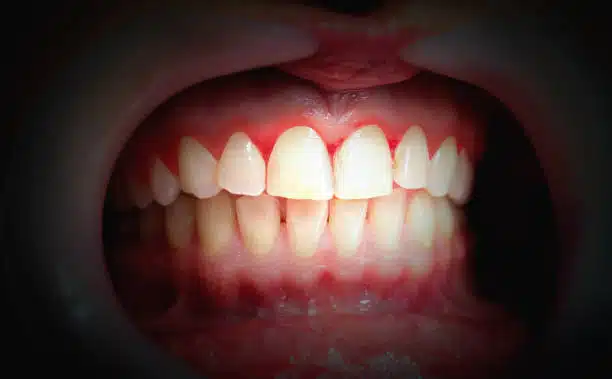
Peri-implantitis is closely related to gum disease. Treating the underlying periodontal condition is often an essential step in resolving implant complications.
Learn More about Gum and Periodontal Care
All-on-X Implants
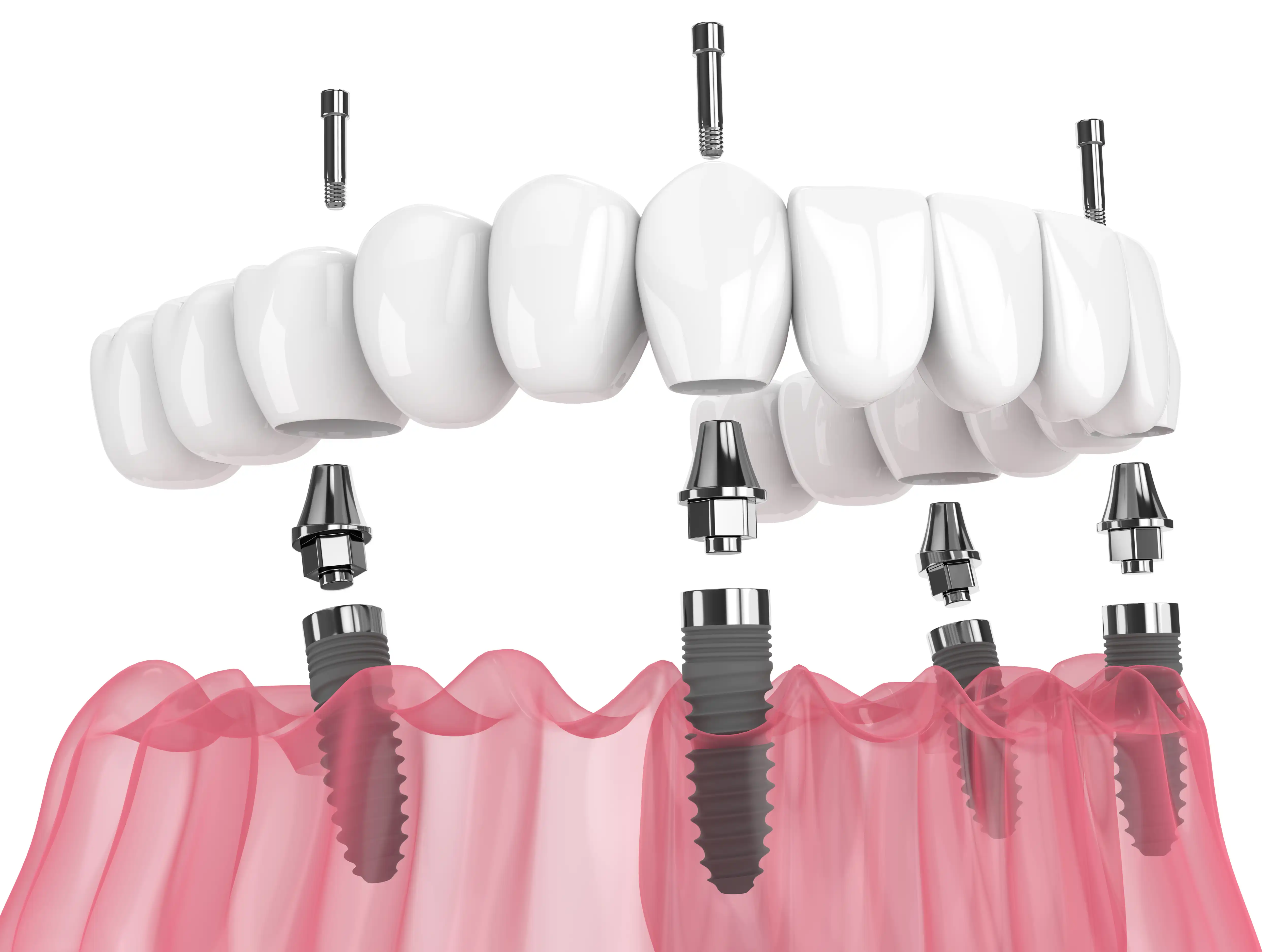
For patients with multiple failing implants or failing full arch restorations, All-on-X may be the most appropriate long-term solution.
Learn More about All-on-X Implants
Your confident smile
Is our guide
Schedule your appointment today
If something about your implant does not feel or look right, you deserve a straight answer from someone who will evaluate the situation honestly. Dr. Sung is ready to review your case, tell you exactly what he finds, and show you every realistic path forward.